


What Causes Androgenetic Alopecia?
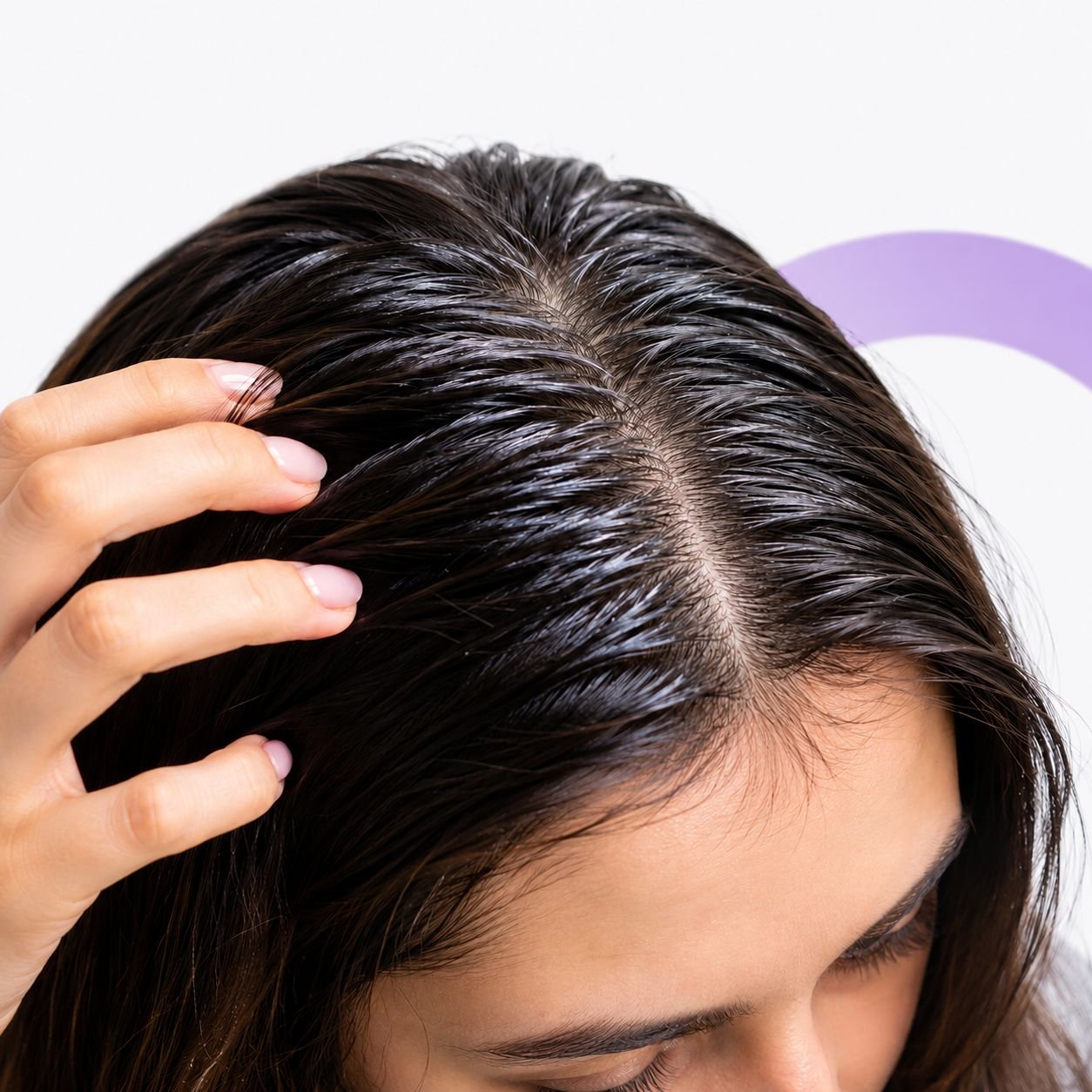
Genetic Predisposition
A family history of hair loss increases the likelihood of developing androgenetic alopecia and may be inherited from either parent.
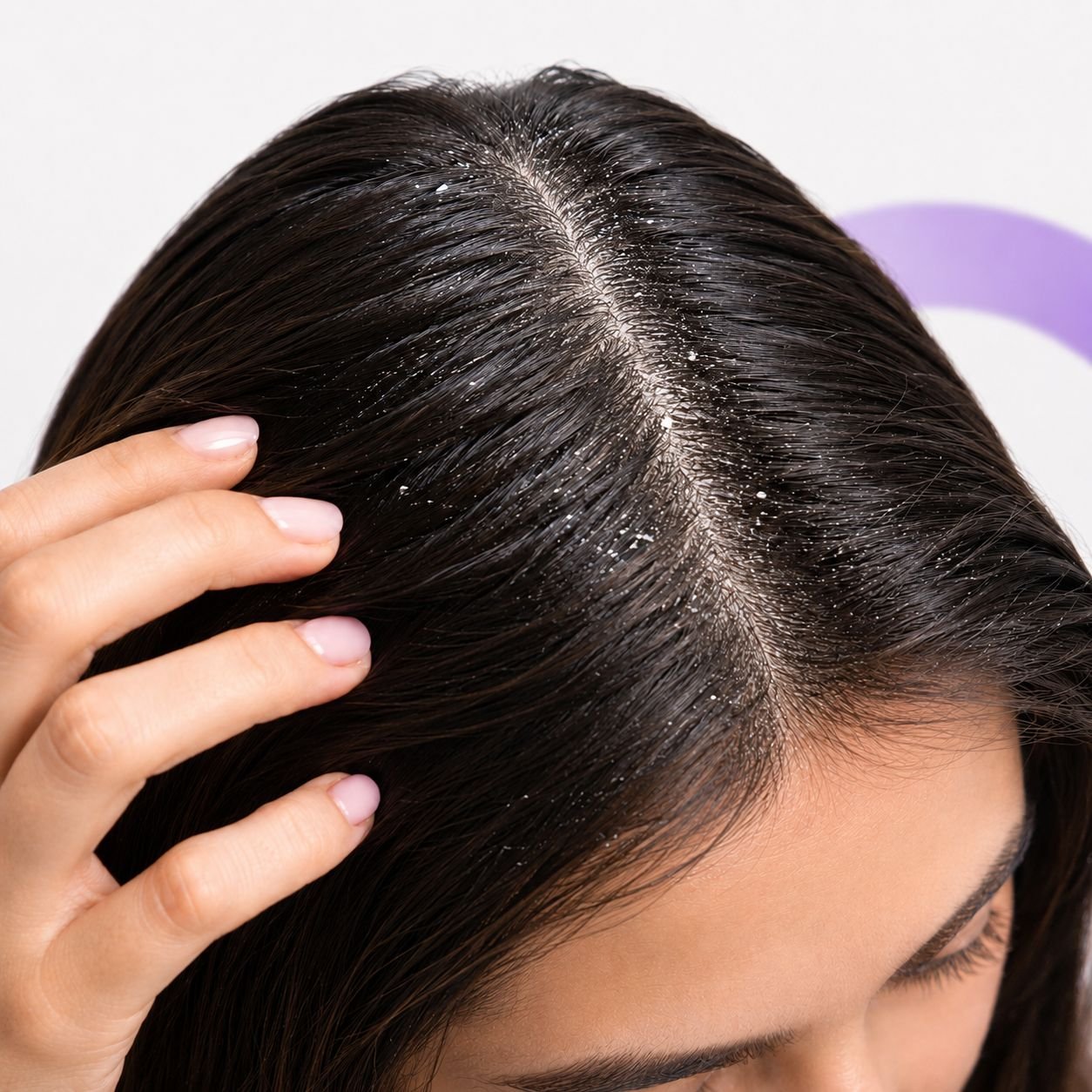
DHT Sensitivity
Hair follicles that are sensitive to dihydrotestosterone, also known as DHT, gradually shrink, leading to progressive hair thinning.
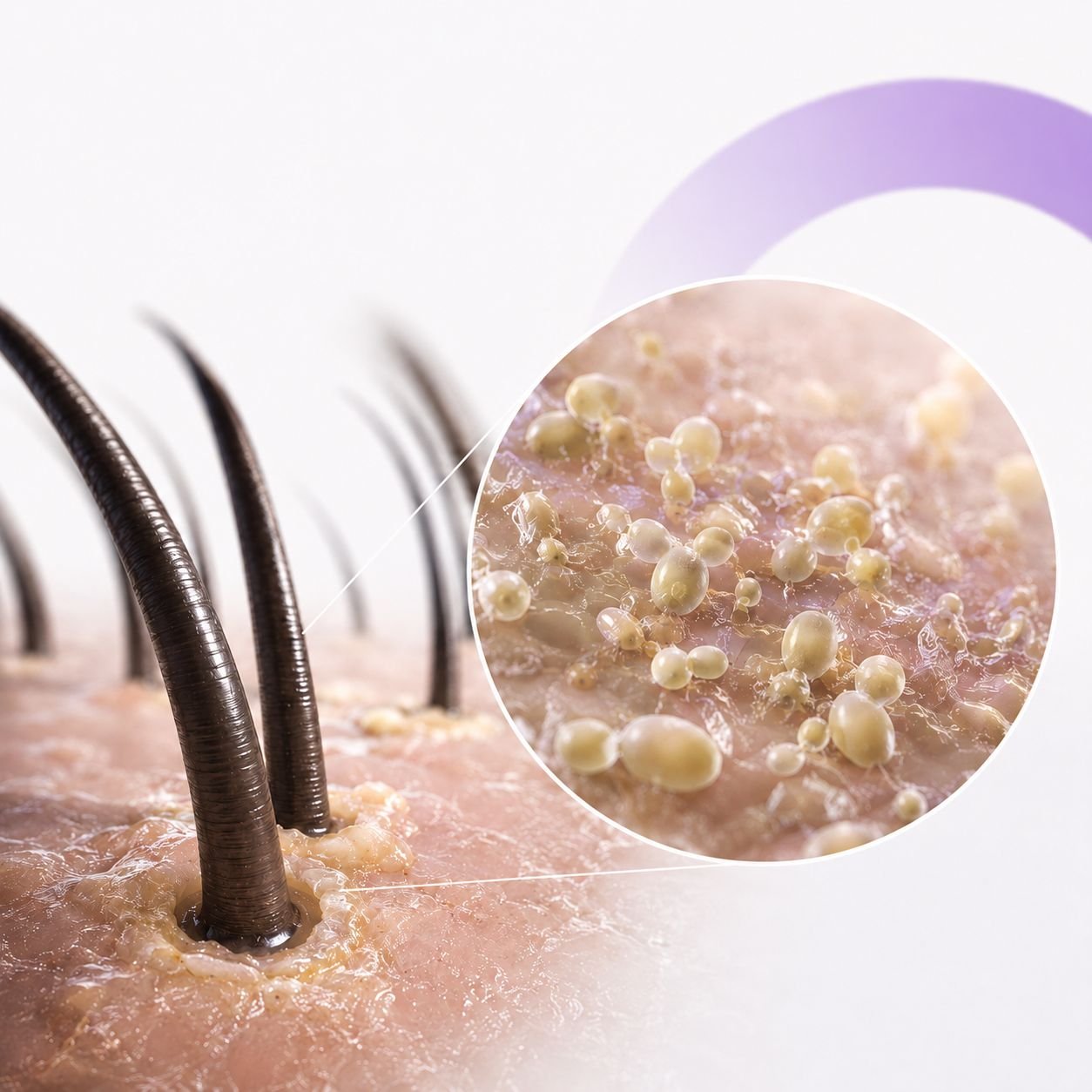
Hair Follicle Miniaturization
Over time, affected hair follicles produce finer, shorter, and weaker hair until growth significantly decreases.
Age-Related Progression
Hair thinning typically becomes more noticeable with age, although it can begin as early as the late teens or twenties.
Hormonal Changes
Changes in hormone levels may influence the progression of androgenetic alopecia in some individuals.
Family History
Having close relatives with pattern hair loss is one of the strongest risk factors for developing the condition.
Certain Medical Conditions
Some medical conditions may contribute to increased hair shedding and make existing androgenetic alopecia more noticeable.
Nutritional Deficiencies
Deficiencies in essential nutrients can affect overall hair health and may worsen ongoing hair thinning.
Poor Scalp Health
Scalp conditions such as dandruff, oily scalp, itchy scalp, flaky scalp, or scalp irritation can affect scalp health and should be managed alongside hair loss treatment when present.
Our Treatment Approach for Androgenetic Alopecia
A personalized treatment plan may include scalp therapies, root-support treatments, and internal or external medications based on your diagnosis and stage of hair loss.
 01
01
Photosynthesis Therapy
Photosynthesis Therapy helps stimulate weak hair roots and supports scalp and follicle health. It may be recommended as part of a broader hair restoration plan.
 02
02
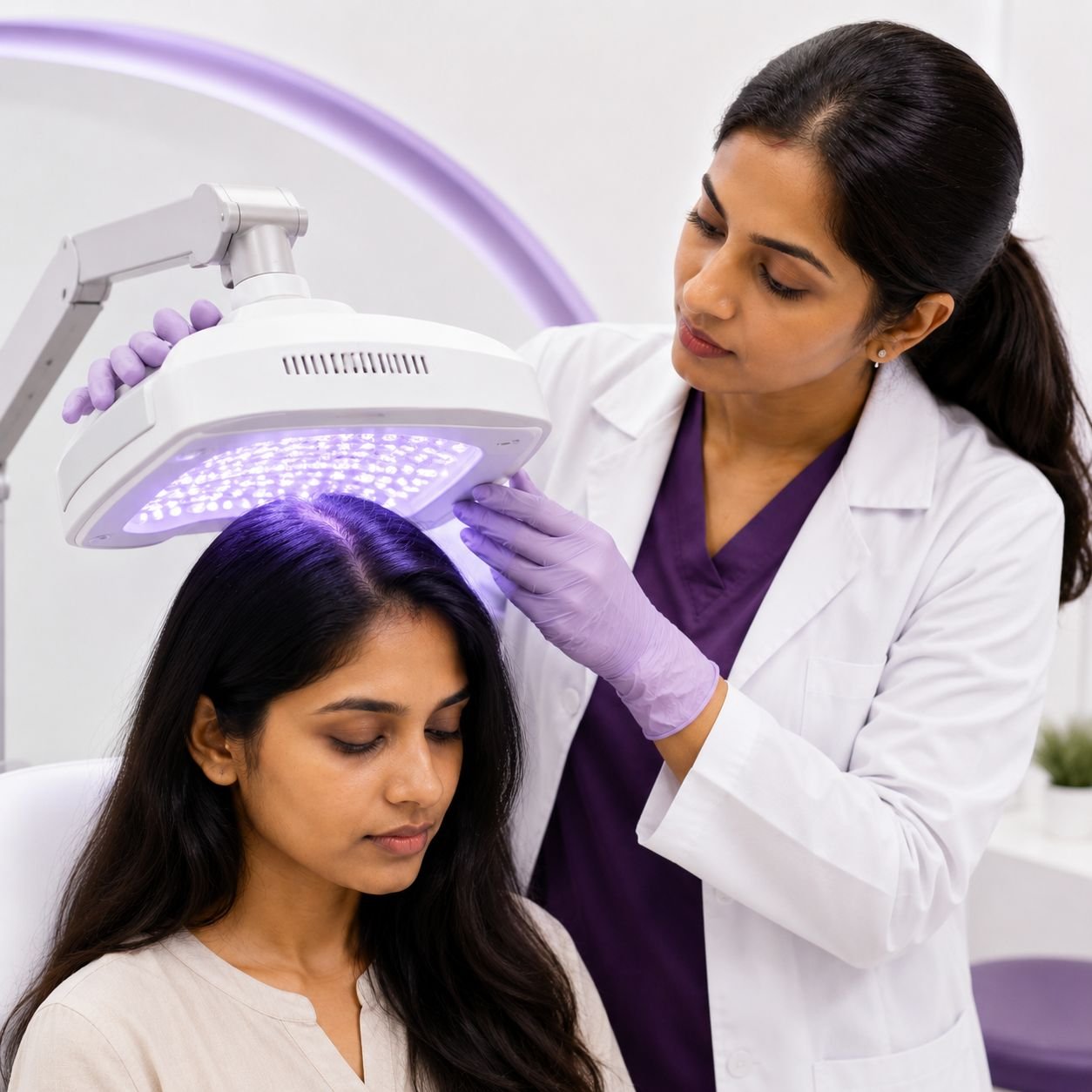
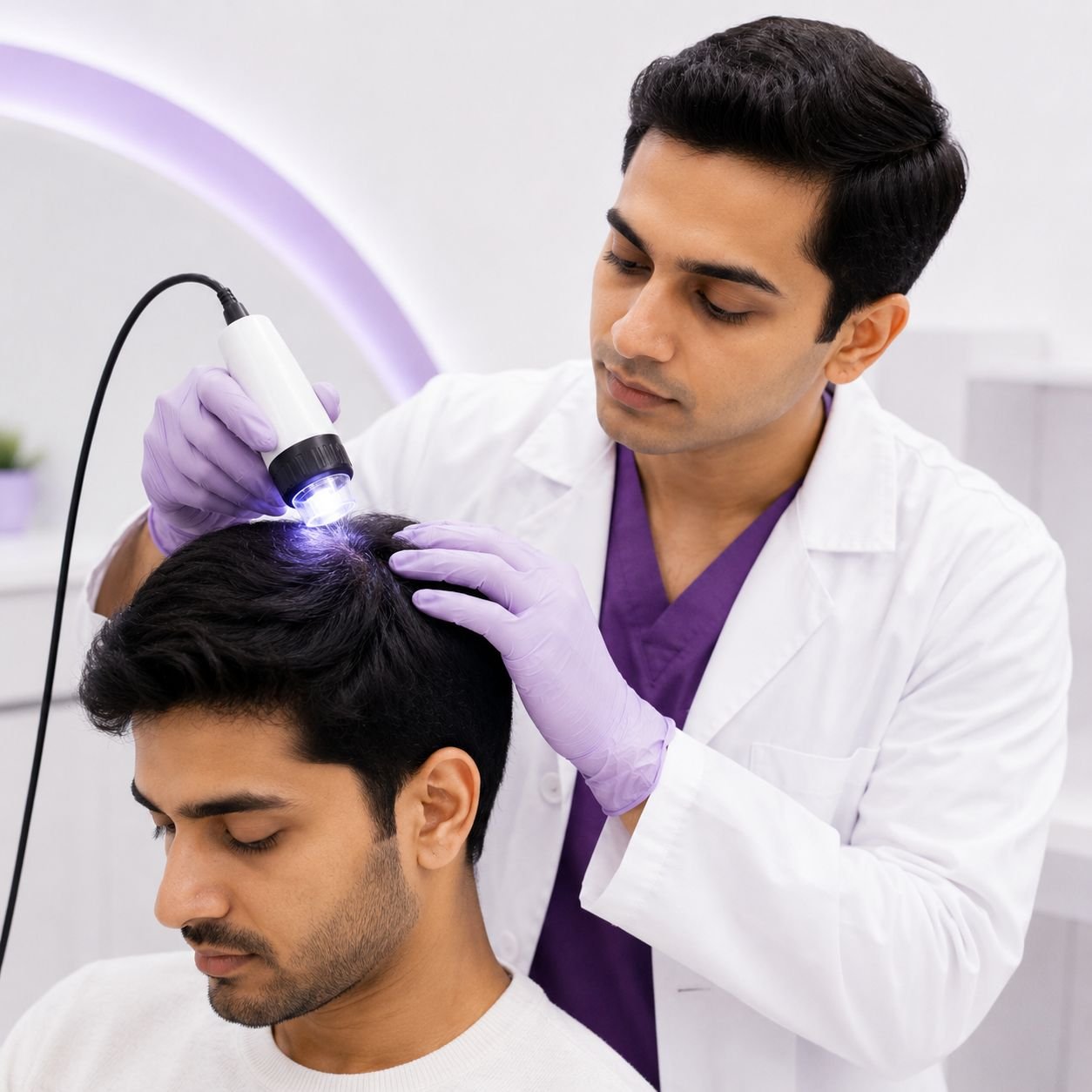
UV Scalp Therapy
UV Scalp Therapy helps maintain a healthy and clean scalp environment. This may be useful when scalp health needs additional support along with hair loss treatment.
 03
03
Root Grow Treatment
Root Grow Treatment combines derma roller technology with growth factors to support hair growth and improve follicle nourishment in suitable candidates.
 04
04
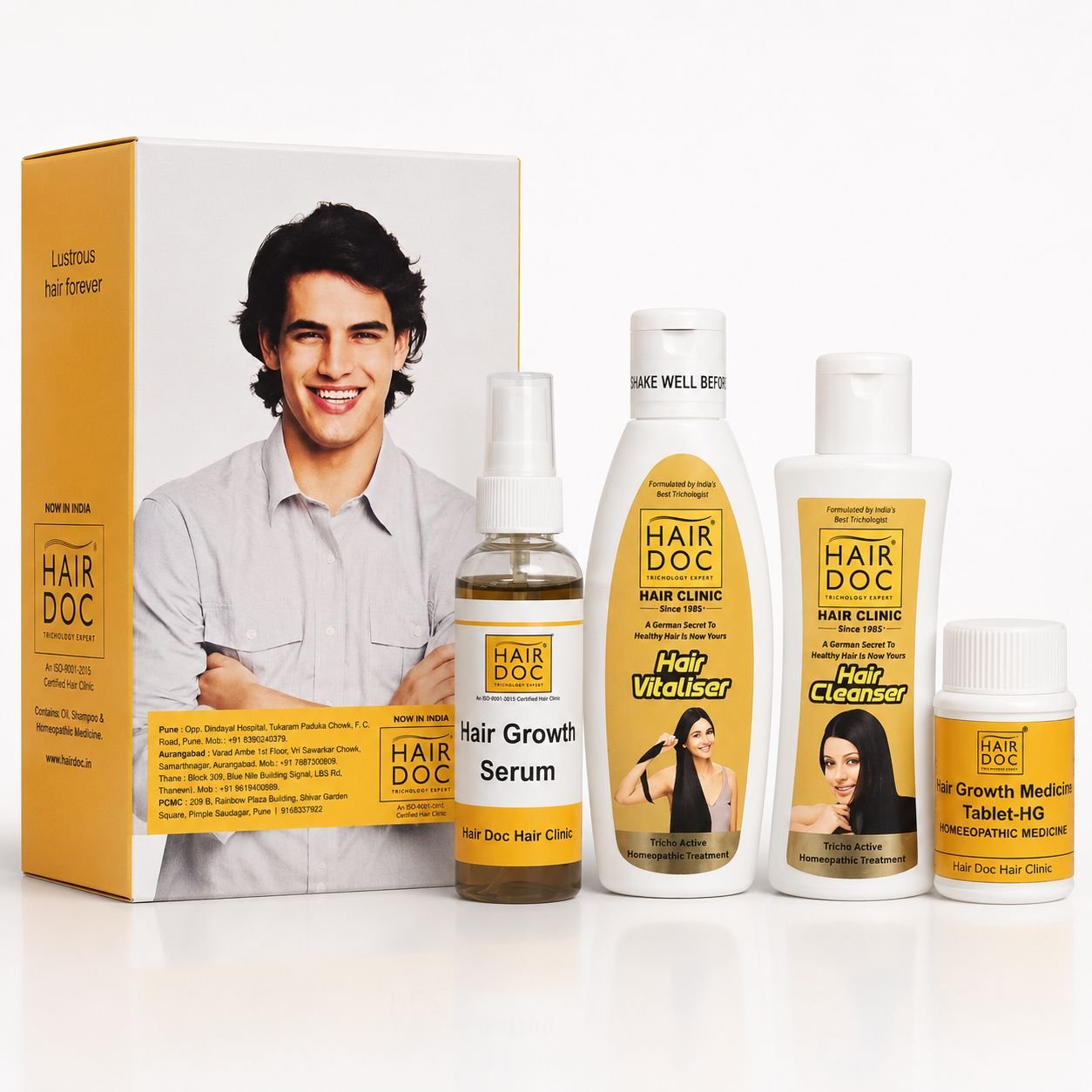
Internal & External Medications
Internal and external medications may be recommended depending on your diagnosis. These are personalized to support long-term hair maintenance, reduce ongoing hair fall, and improve hair quality.
The first goal is to slow and arrest ongoing hair fall. After that, treatment focuses on improving hair density and appearance wherever the follicles are still active.
Early treatment often gives better scope for improvement. Results may vary from person to person depending on the stage of hair loss and treatment consistency.
Pattern Hair-Loss Care
Why Choose HairDoc for Androgenetic Alopecia?
HairDoc combines specialist expertise, detailed hair and scalp evaluation, advanced diagnostic analysis, and personalized treatment planning for men and women with pattern hair loss.

Specialists in Pattern Hair Loss
Our hair specialists have extensive experience in diagnosing and managing androgenetic alopecia in both men and women.
Comprehensive Hair & Scalp Evaluation
We perform a detailed assessment of your hair-loss pattern, scalp health, family history, and medical background to determine the stage of hair loss.
Accurate Diagnosis with Advanced Scalp Analysis
Using advanced diagnostic techniques, we evaluate hair-follicle health, hair density, and scalp condition to plan appropriate treatment.
Personalized Treatment Plans
Every treatment plan is customized according to your stage of hair loss, scalp condition, lifestyle, and long-term hair-restoration goals.
Living with Alopecia Areata
Gentle scalp care, consistent treatment, and regular monitoring can help protect affected areas and support long-term scalp health.
Follow a Gentle Hair Care Routine
Handle your hair carefully and avoid excessive pulling or friction to protect affected areas.
Avoid Harsh Chemicals
Limit the use of harsh hair products, coloring, bleaching, or chemical treatments that may irritate the scalp.
Protect the Scalp from Sun Exposure
Cover exposed patches or use appropriate sun protection to prevent sun damage to the scalp.
Use Mild Hair Care Products
Choose gentle shampoos and hair care products as recommended by your hair specialist.
Avoid Scratching the Affected Areas
Do not scratch or irritate bald patches, as this may worsen scalp irritation.
Manage Stress
Practice healthy stress-management techniques, as stress may contribute to flare-ups in some individuals.
Maintain a Balanced Diet
Eat a nutritious diet that supports overall health and healthy hair growth.
Correct Nutritional Deficiencies
Address any vitamin, mineral, or nutritional deficiencies identified during your evaluation.
Follow Your Treatment Plan Consistently
Use prescribed medications and follow treatment recommendations as advised for the best possible outcomes.
Attend Regular Follow-Up Appointments
Routine follow-ups help monitor progress and allow timely adjustments to your treatment plan.
Report New Hair Loss Patches
Inform your hair specialist if new bald patches appear or existing areas change, so treatment can be reviewed promptly.