




What Causes Alopecia Areata?
Autoimmune Response Against Hair Follicles
The immune system attacks the hair follicles, causing hair to fall out in patches.
Genetic Predisposition
Some people may have a higher chance of developing alopecia areata if it runs in the family.
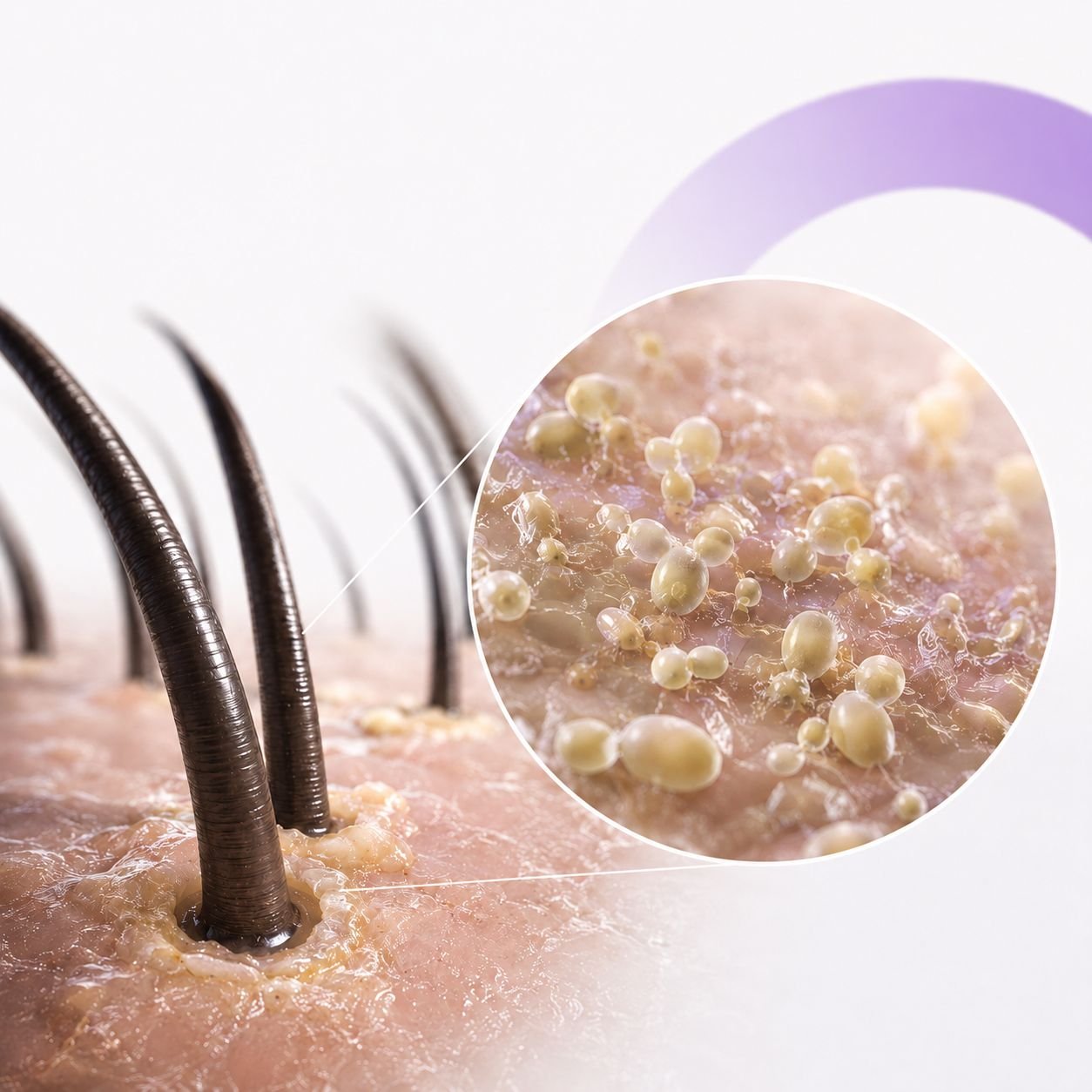
Immune System Dysfunction
An overactive or misdirected immune response may play a role in triggering hair loss.
Alopecia Areata Treatment at HairDoc
Our Treatment Approach
 01
01
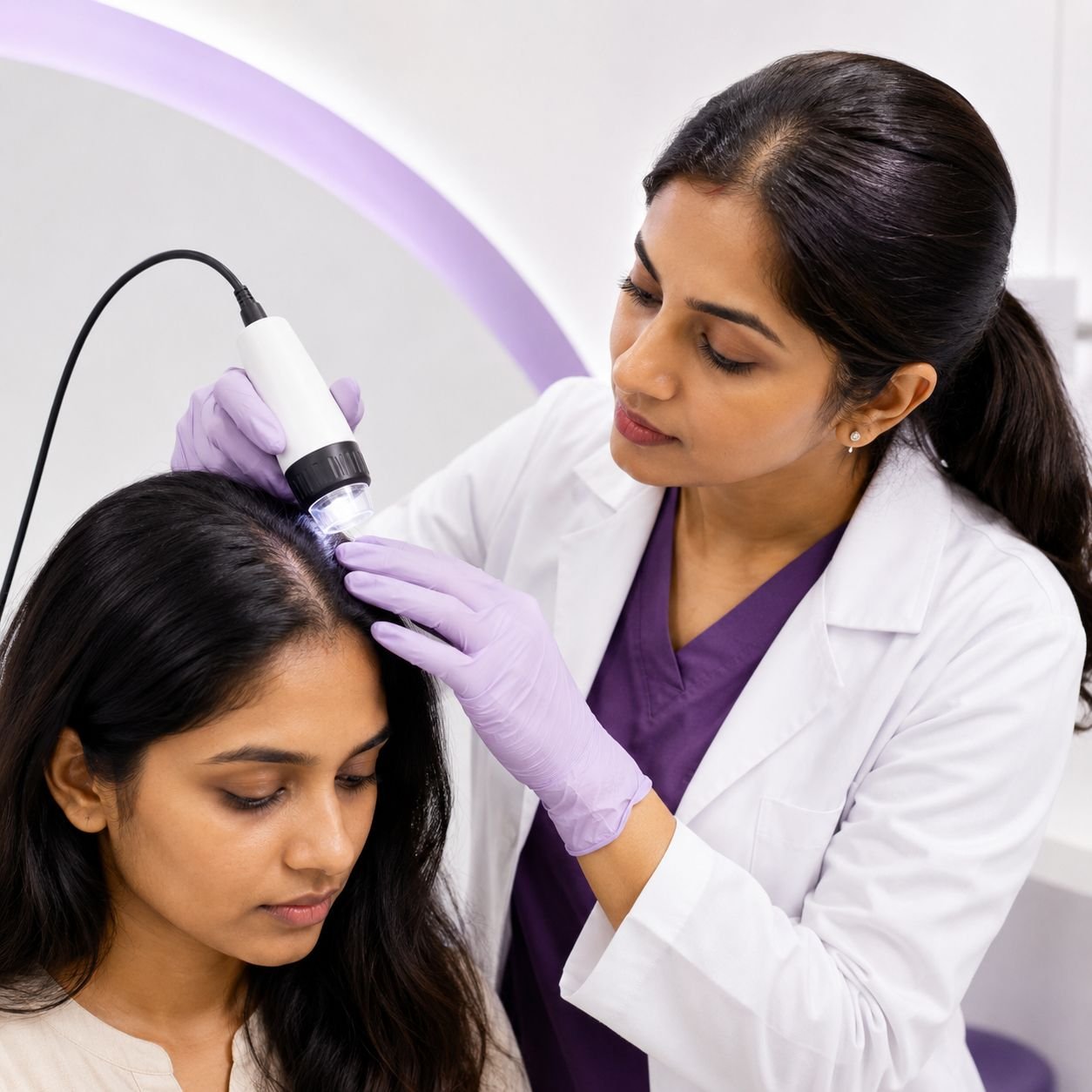
Detailed Hair & Scalp Evaluation
We assess the affected patches, scalp condition, hair follicle activity, and medical history before planning treatment.
 02
02
Autoimmune Support
Our approach also focuses on supporting overall immune balance and identifying possible triggers.
 03
03
Internal Medicines
Personalized medicines may be prescribed to support hair regrowth and overall health.
 04
04
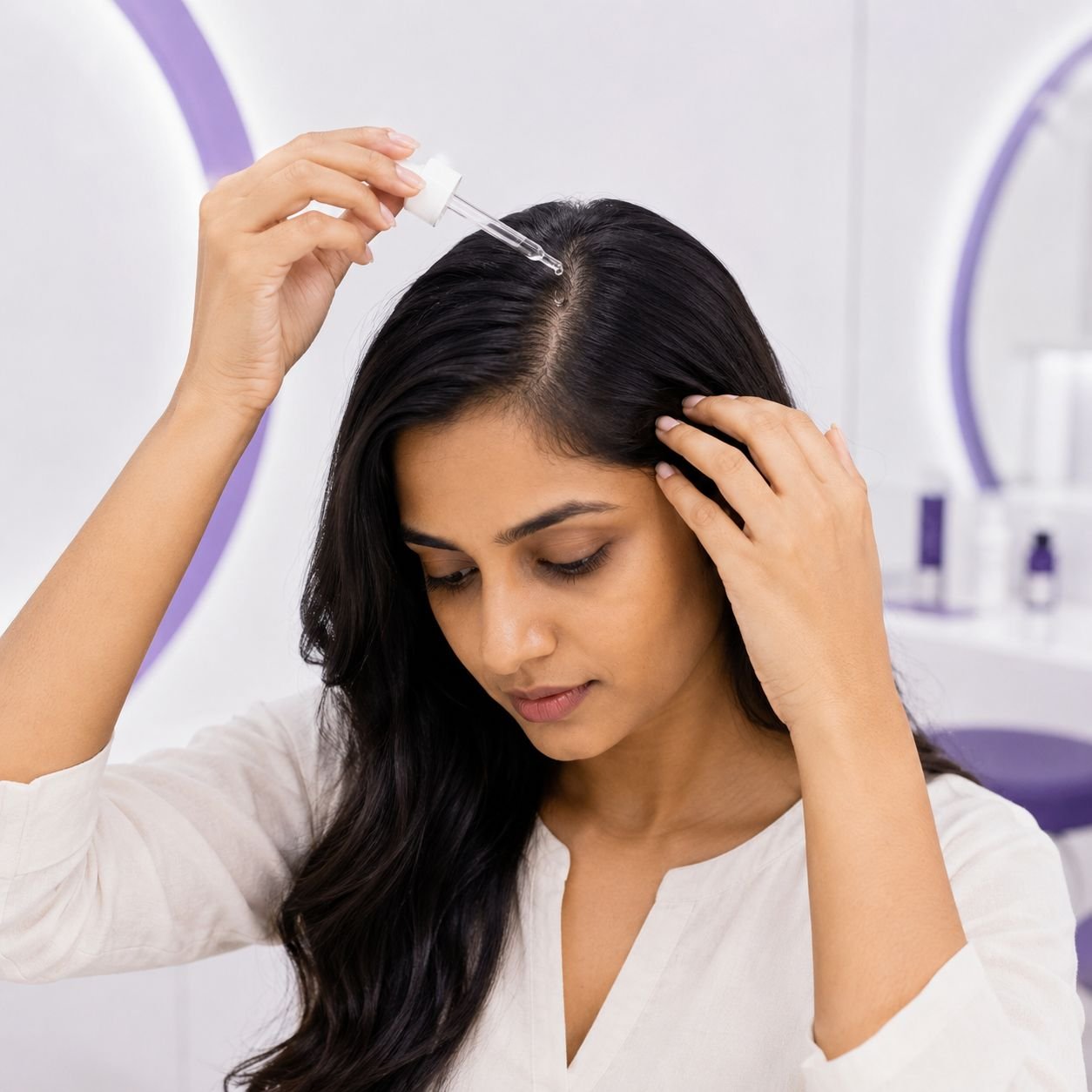
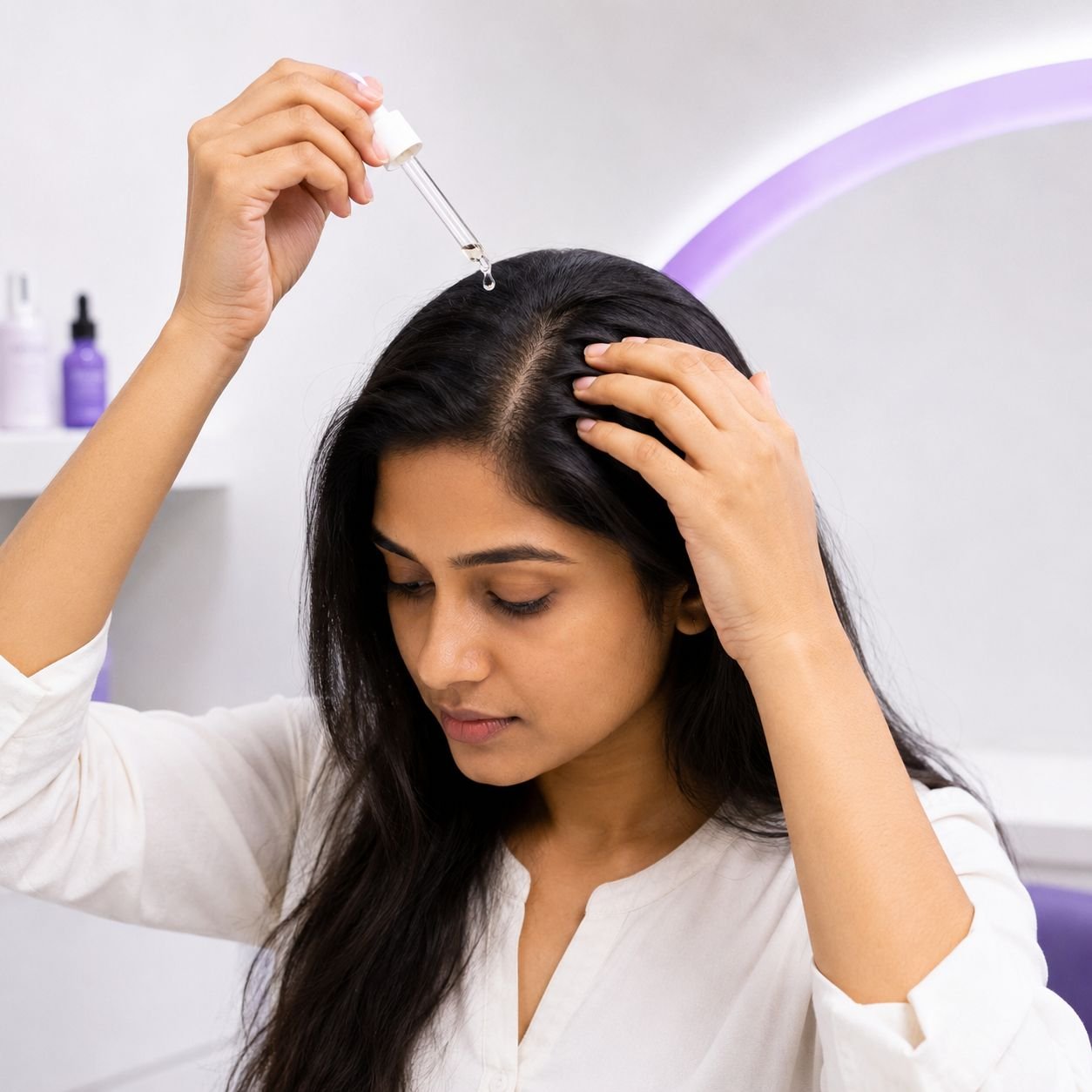
External Medicines
Specialized scalp applications may be advised to nourish affected areas and support follicle activity.
 05
05
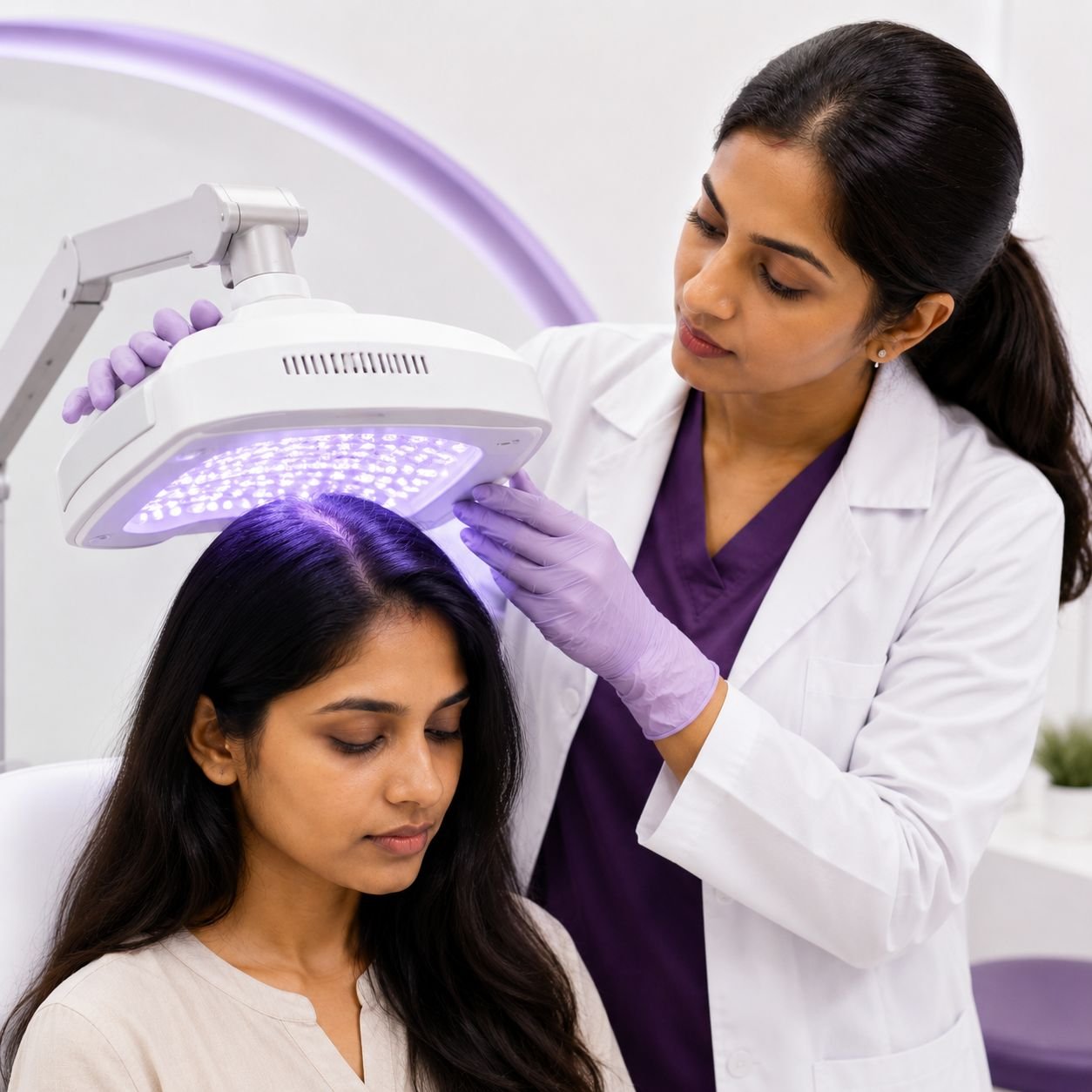
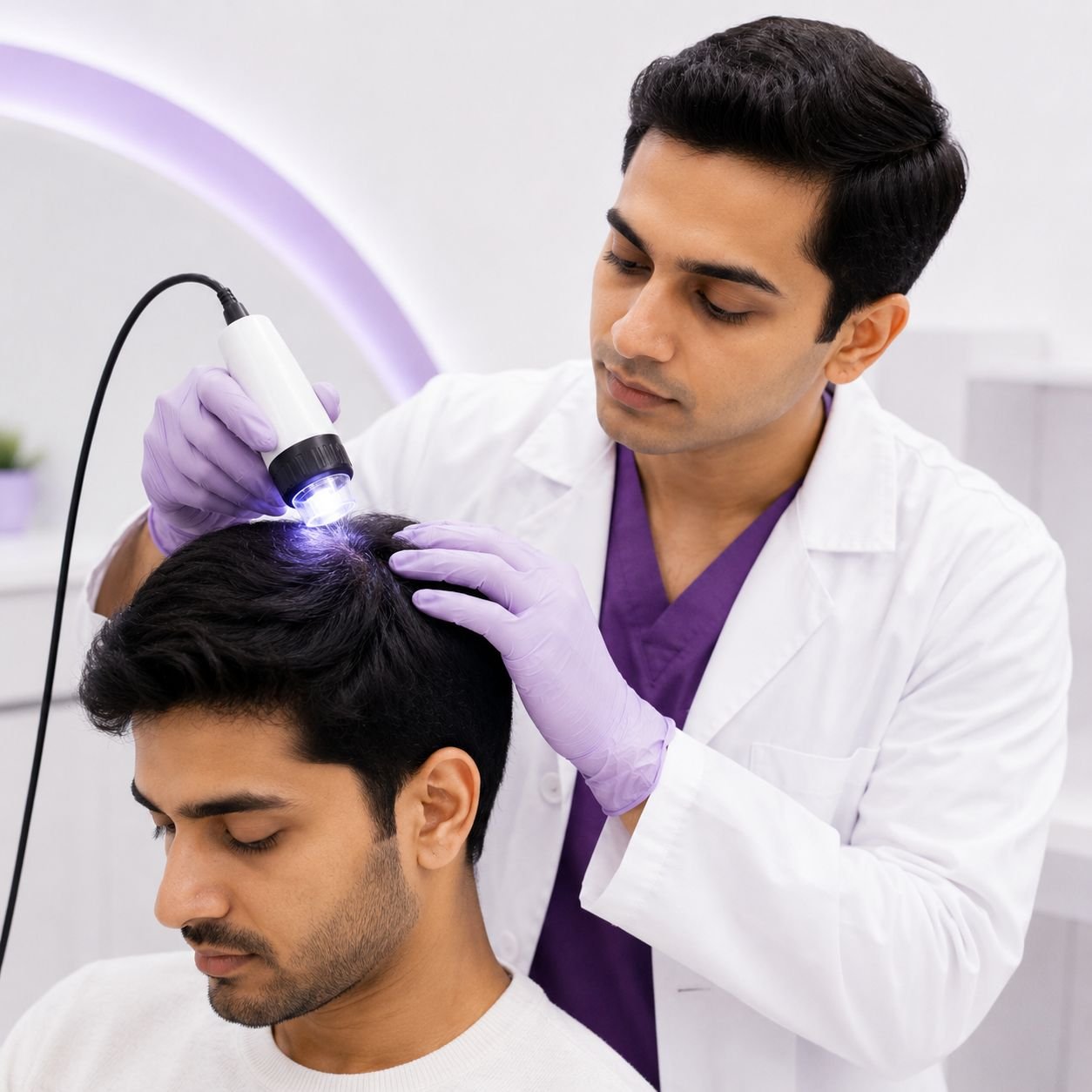
Phototherapy Treatment
Where suitable, phototherapy or UV-based scalp treatments may be used to stimulate hair follicles and support regrowth.
 06
06
UV Therapy
Treatment may include methods to encourage inactive follicles and support new hair growth.
 07
07
Hair Follicle Stimulation
Regular follow-ups help track progress and adjust the treatment plan when needed.
 08
08
Hair Regrowth Monitoring
Since alopecia areata can recur, ongoing care helps maintain scalp health and manage early signs of relapse.
09
Treatment for All Age Groups
Customized care is available for men, women, and children with alopecia areata.
10
Long-Term Care & Prevention
Ongoing support helps maintain scalp health and manage the chances of recurrence.
Specialist-Led Scalp Care
Why Choose HairDoc for Scalp Psoriasis?
HairDoc combines specialist expertise, comprehensive scalp evaluation, advanced assessment, and personalized treatment planning to manage scalp psoriasis effectively.

Experienced Hair & Scalp Specialists
Our specialists have extensive experience in diagnosing and managing scalp psoriasis and other chronic scalp conditions.
Comprehensive Scalp Evaluation
We perform a detailed assessment of your scalp, symptoms, medical history, and possible triggers to accurately diagnose your condition.
Accurate Diagnosis with Advanced Scalp Assessment
Using advanced scalp evaluation techniques, we differentiate scalp psoriasis from dandruff, seborrheic dermatitis, eczema, and other scalp disorders.
Personalized Treatment Plans
Every treatment plan is tailored to the severity of your scalp psoriasis, symptoms, lifestyle, and individual treatment goals.
Managing Scalp Psoriasis & Reducing Flare-Ups
Scalp psoriasis can flare up from time to time. Along with medical treatment, proper scalp care and lifestyle habits can help reduce irritation and support long-term management.
Use Prescribed Medicated Products
Use shampoos, lotions, or scalp applications only as advised by your specialist. Avoid self-medicating or frequently changing products.
Avoid Scratching
Scratching may worsen inflammation, cause bleeding, and increase temporary hair shedding. Try to manage itching with prescribed treatment.
Wash Hair Gently
Use gentle washing techniques. Avoid harsh rubbing, aggressive scrubbing, or using very hot water on the scalp.
Moisturize the Scalp
Dryness may worsen discomfort. Your specialist may suggest suitable scalp moisturizers or applications if needed.
Avoid Harsh Styling Products
Strong gels, sprays, chemical treatments, and harsh hair products may irritate the scalp and trigger flare-ups.
Protect the Scalp from Excessive Sun Exposure
Mild sunlight may help some people, but excessive sun exposure can irritate or burn the scalp. Follow your doctor’s advice.
Manage Stress
Stress can worsen psoriasis flare-ups. Relaxation, sleep, exercise, and stress management may help support treatment.
Avoid Smoking
Smoking can increase inflammation and may worsen psoriasis in some people.
Limit Alcohol Intake
Excessive alcohol consumption may trigger or worsen flare-ups.
Maintain a Healthy Weight
A healthy weight may support better overall inflammation control and scalp health.
Follow Treatment Consistently
Scalp psoriasis needs regular care. Stopping treatment too early may lead to recurring symptoms.