



What Causes Alopecia Areata?
Autoimmune Response Against Hair Follicles
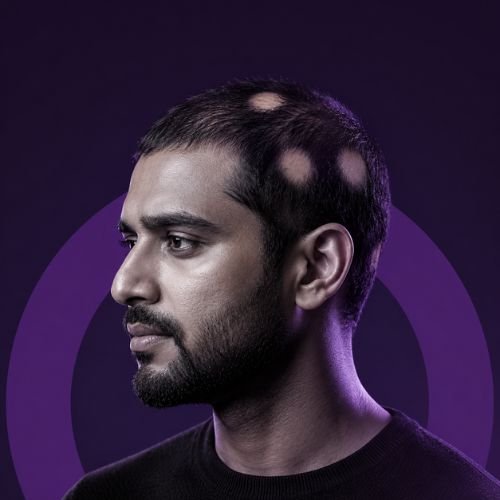
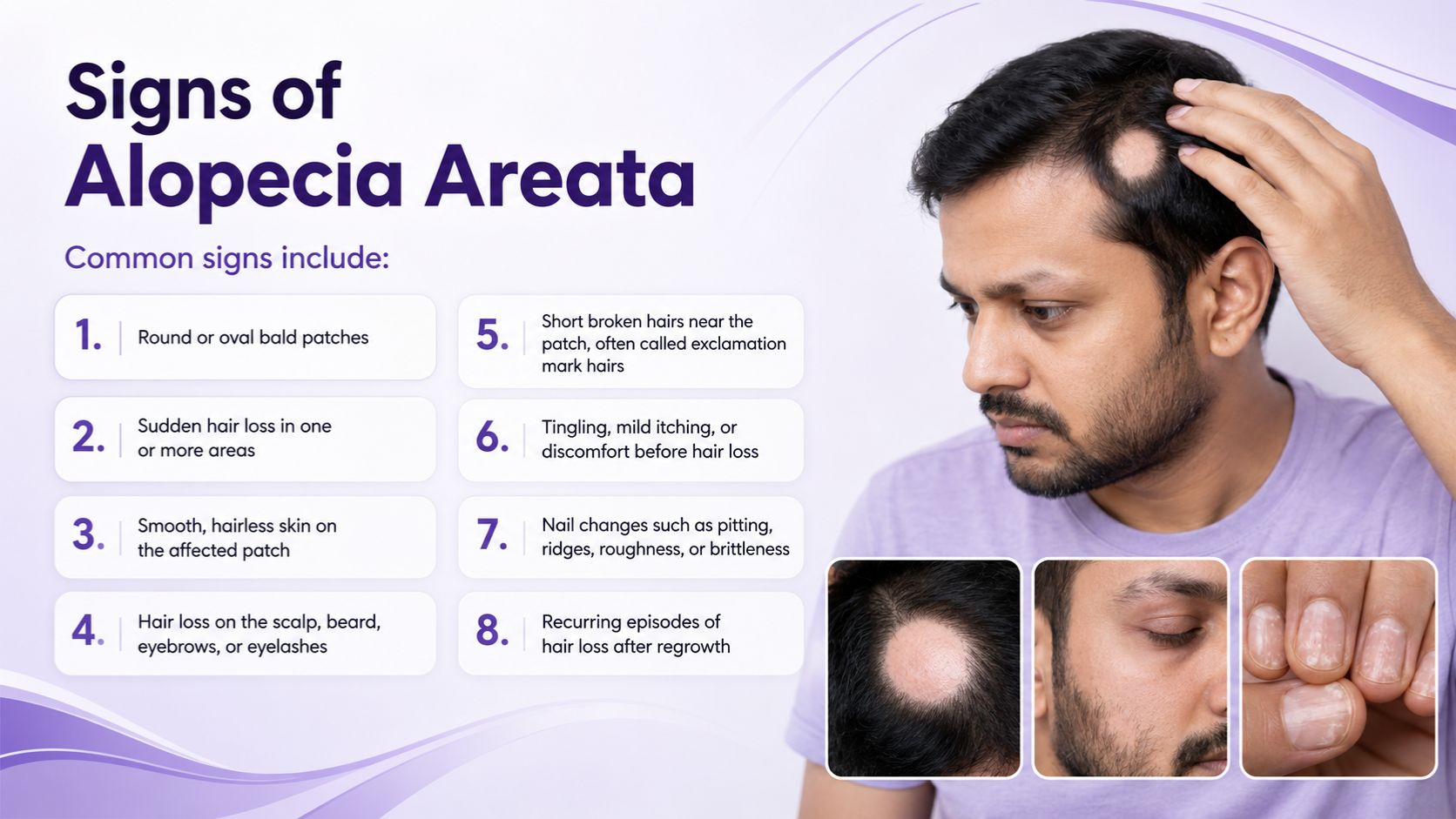
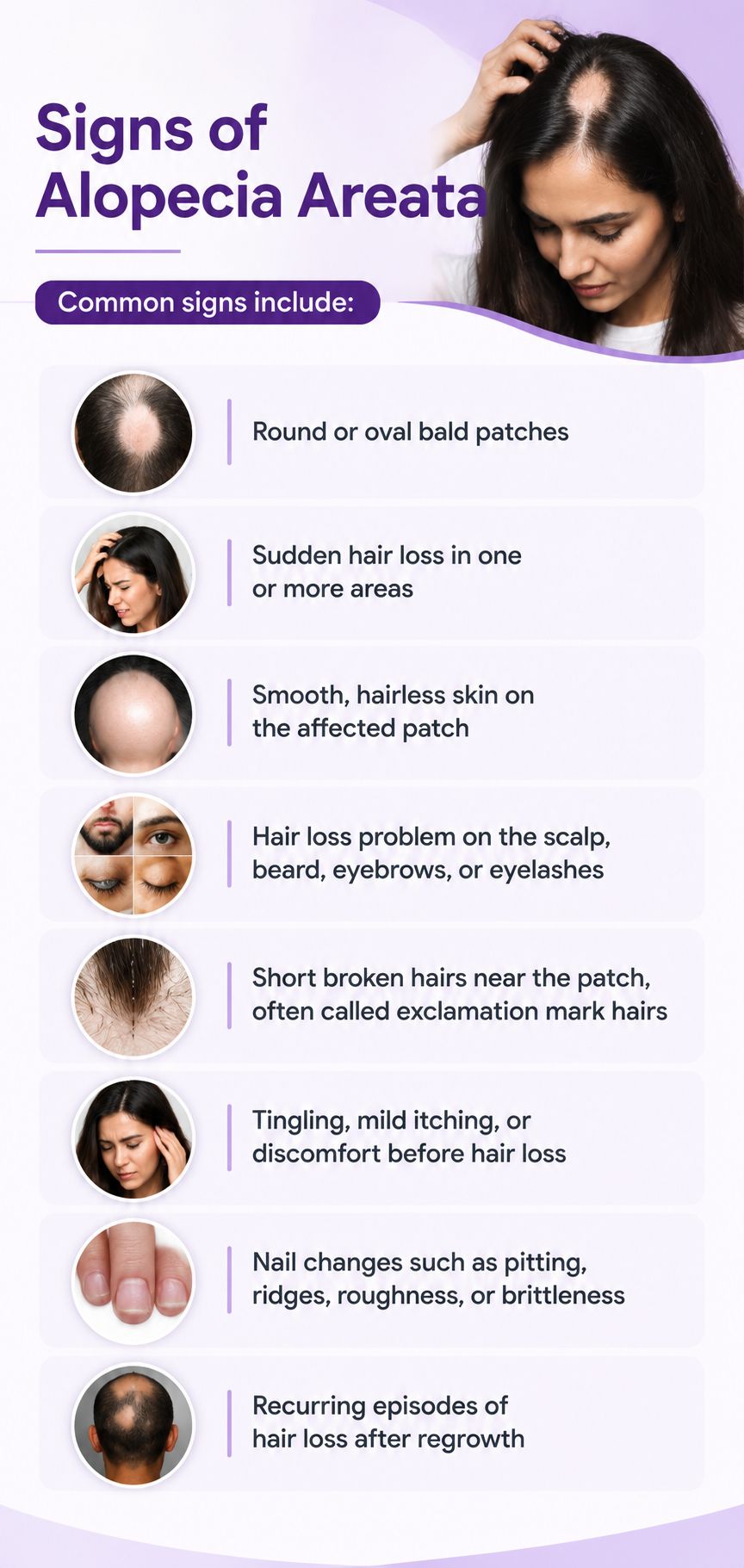
The immune system attacks the hair follicles, causing hair to fall out in patches.
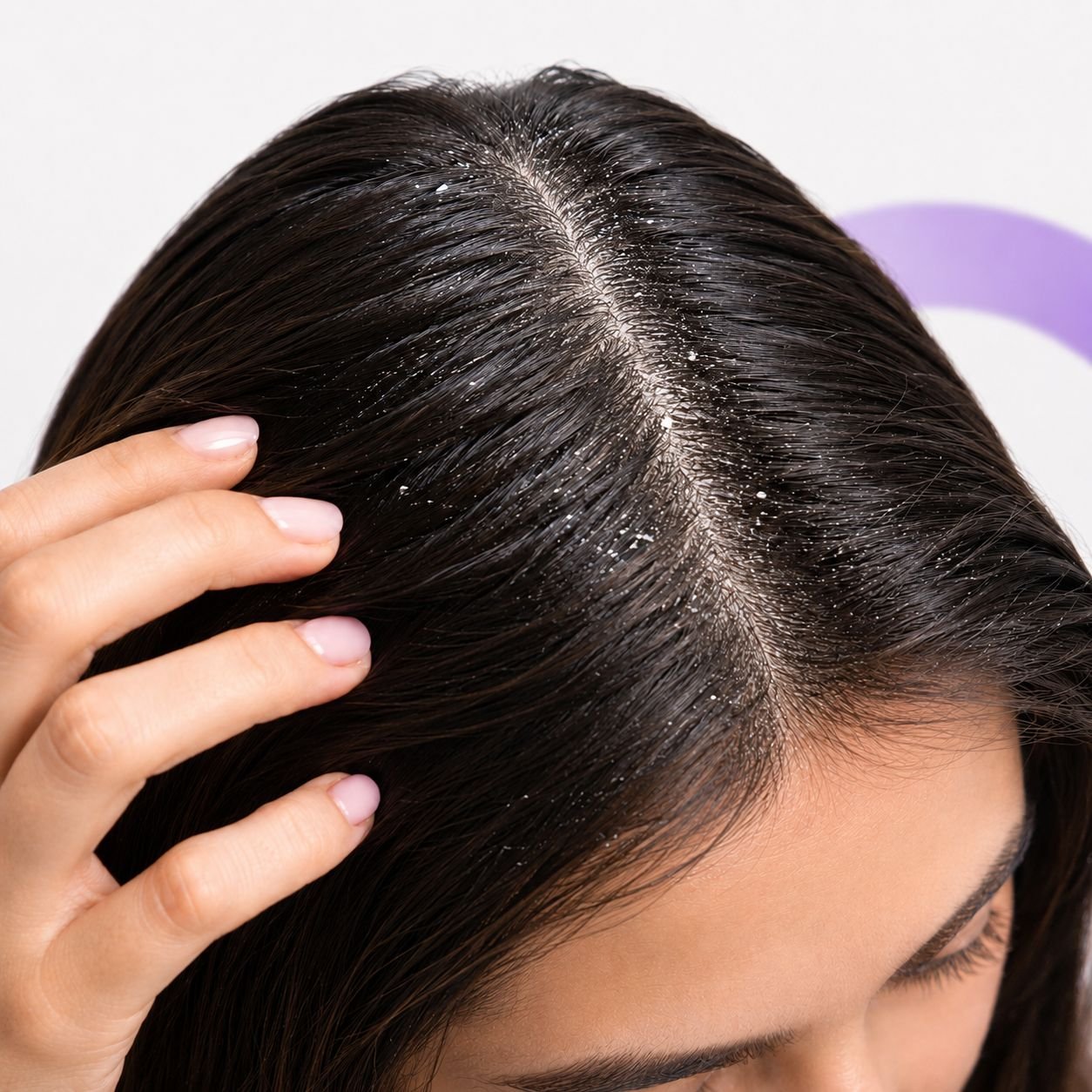
Genetic Predisposition
Some people may have a higher chance of developing alopecia areata when the condition runs in their family.
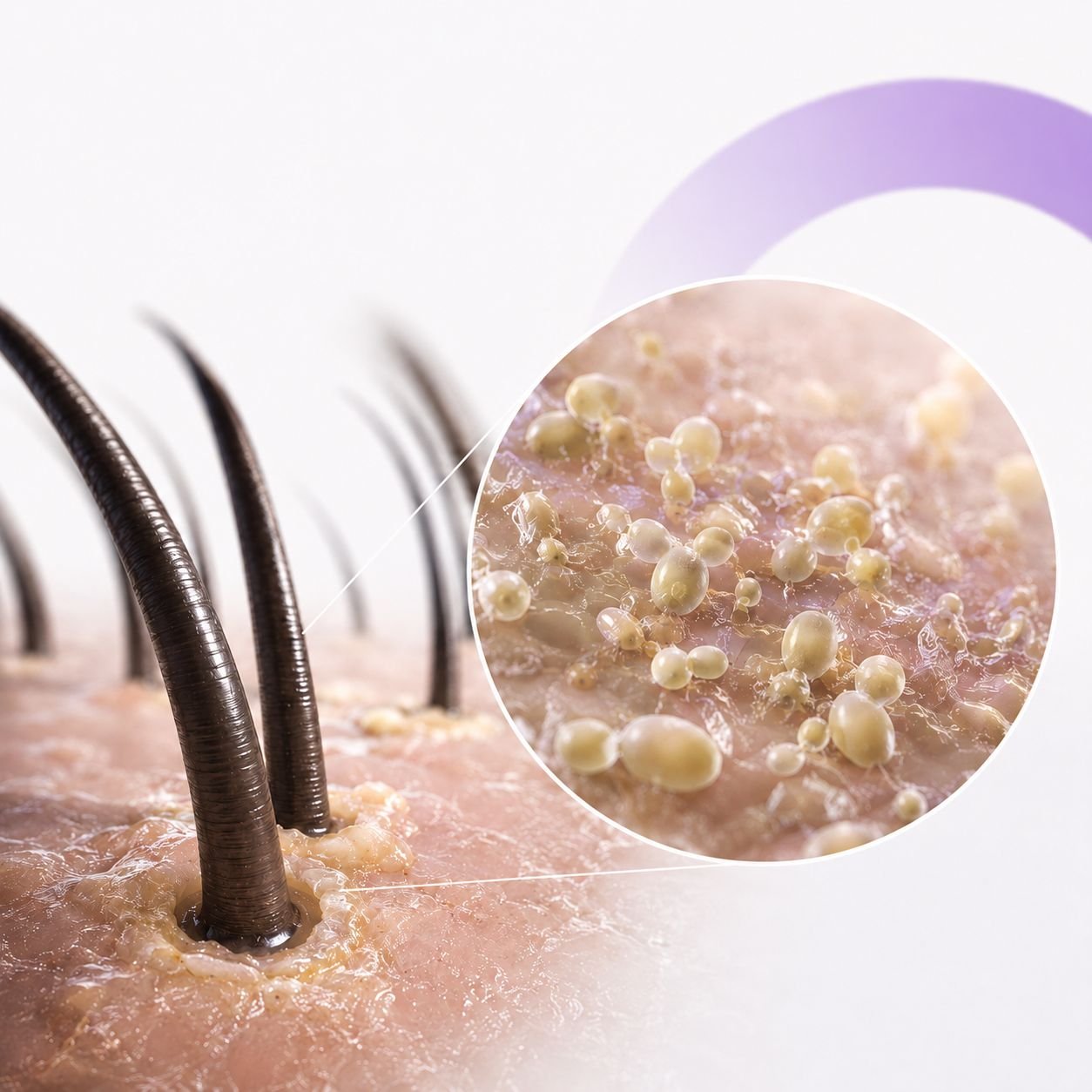
Immune System Dysfunction
An overactive or misdirected immune response may contribute to the process that triggers patchy hair loss.
Our Treatment Approach
Alopecia Areata Treatment at HairDoc
Our structured treatment approach combines detailed evaluation, personalized medicines, targeted scalp therapies, follicle support, and ongoing progress monitoring.
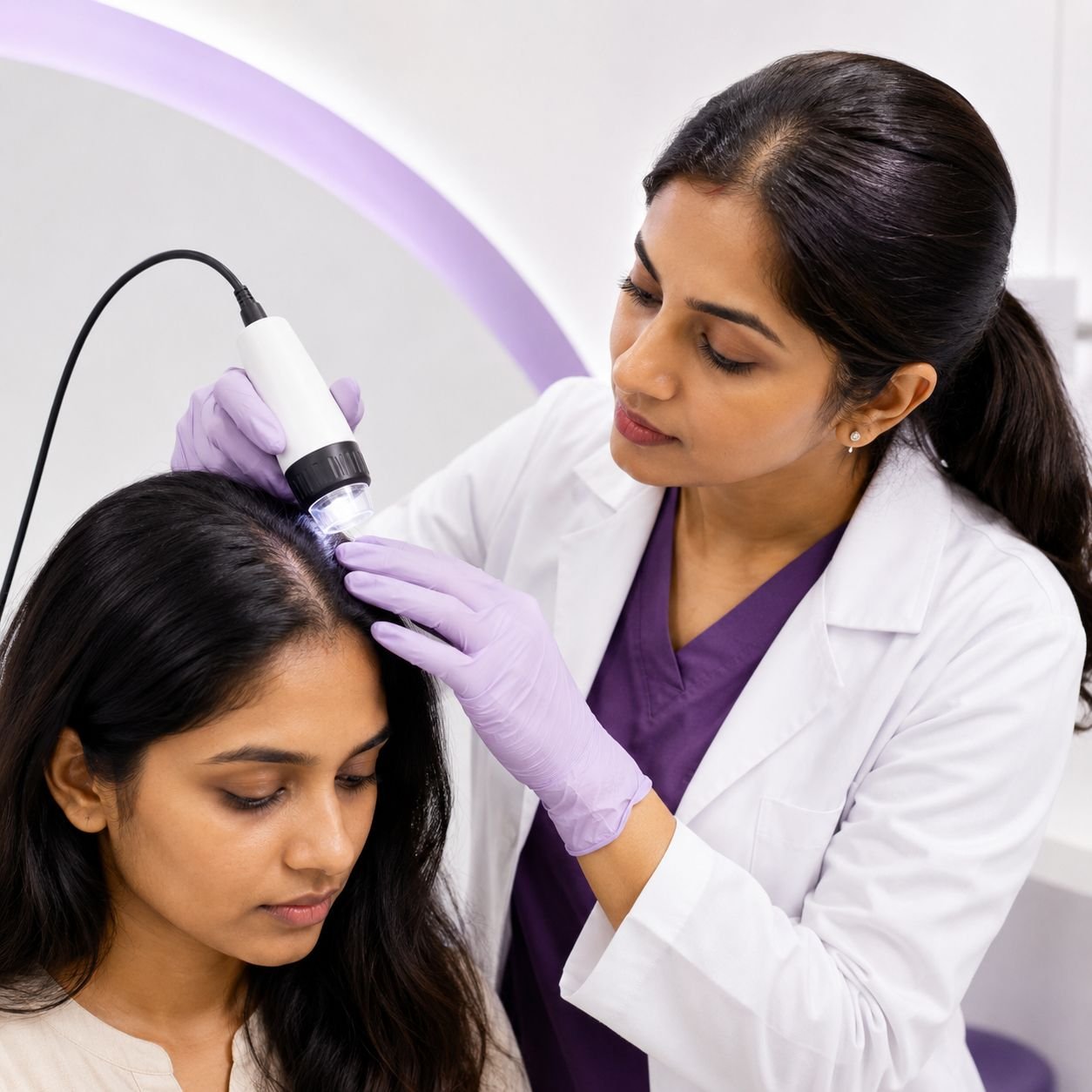
Detailed Hair & Scalp Evaluation
We assess affected patches, scalp condition, follicle activity, hair-loss progression, and relevant medical history before planning treatment.

Immune Balance Support
The care plan may address possible triggers and support overall immune balance because alopecia areata is associated with an abnormal immune response.

Personalized Internal Medicines
Internal medicines may be recommended according to the individual diagnosis, overall health, pattern of hair loss, and treatment requirements.

Targeted External Applications
Specialist-guided scalp applications may be advised to nourish affected areas, maintain scalp health, and support follicle activity.
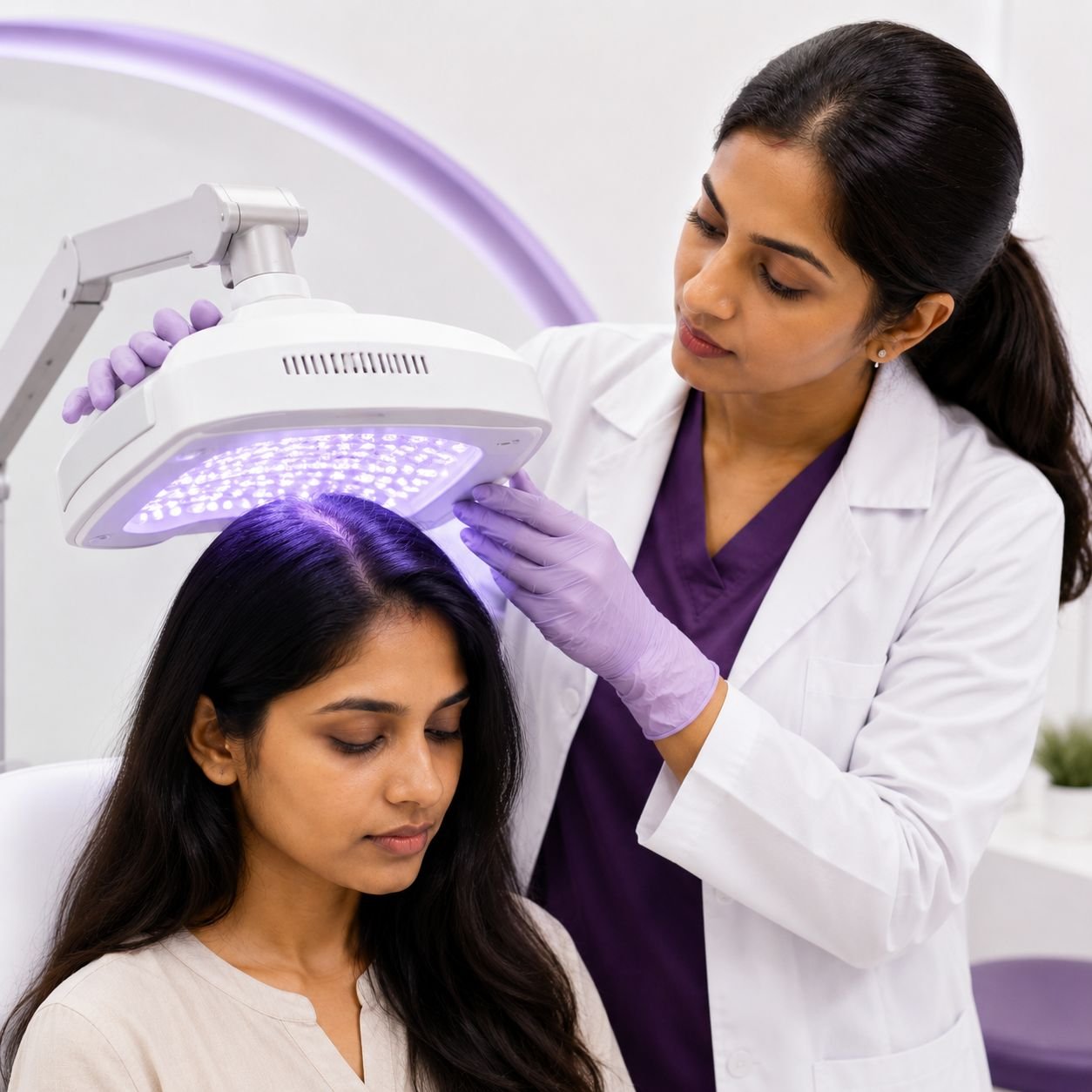
Phototherapy Treatment
Where clinically appropriate, controlled light-based treatment may be included to support affected follicles and encourage a healthier scalp response.
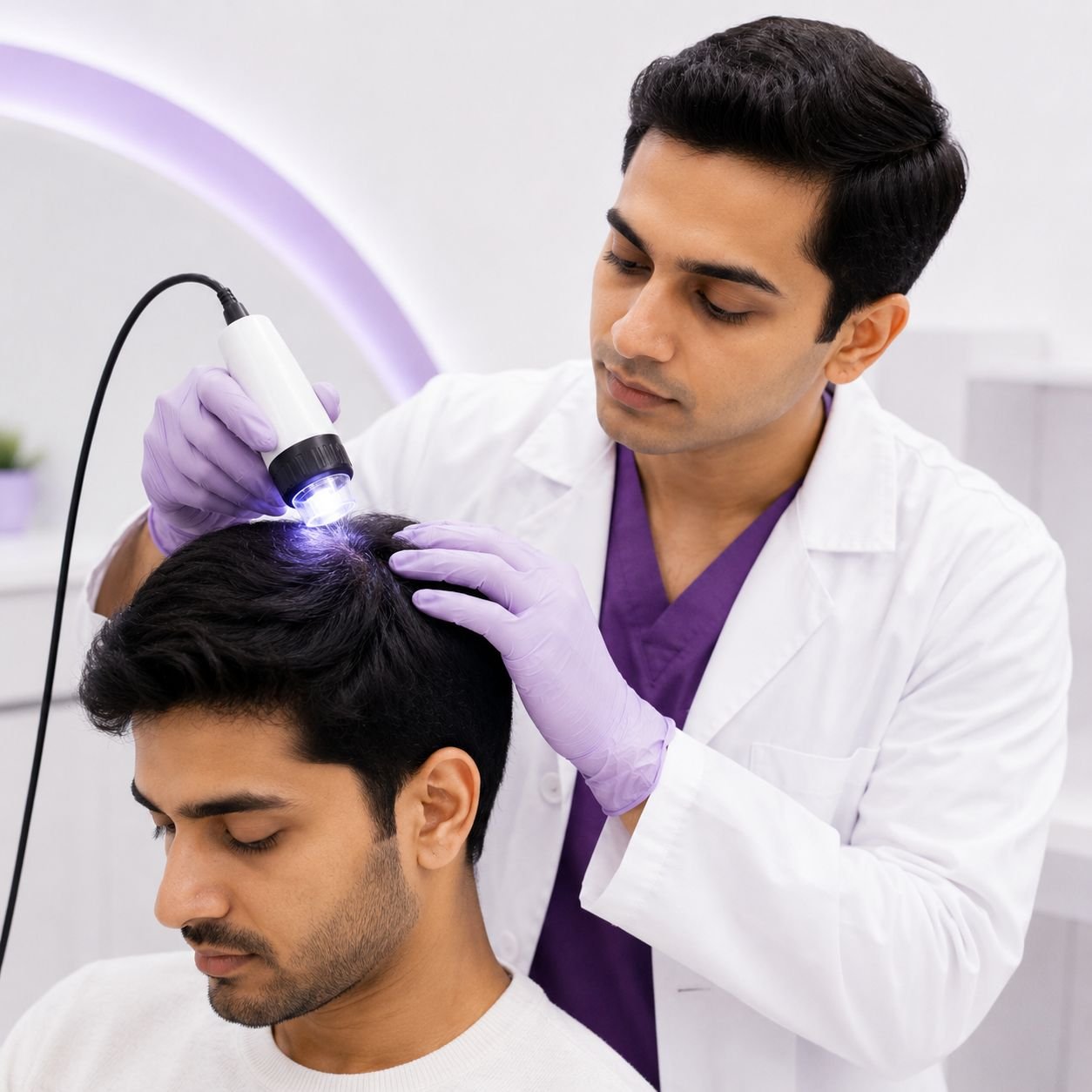
Controlled UV Scalp Therapy
Selected patients may receive professionally supervised UV scalp therapy as part of a broader plan to support inactive follicles.

Hair Follicle Stimulation
Targeted therapies may be used to support inactive follicles, improve the local scalp environment, and encourage visible hair regrowth.
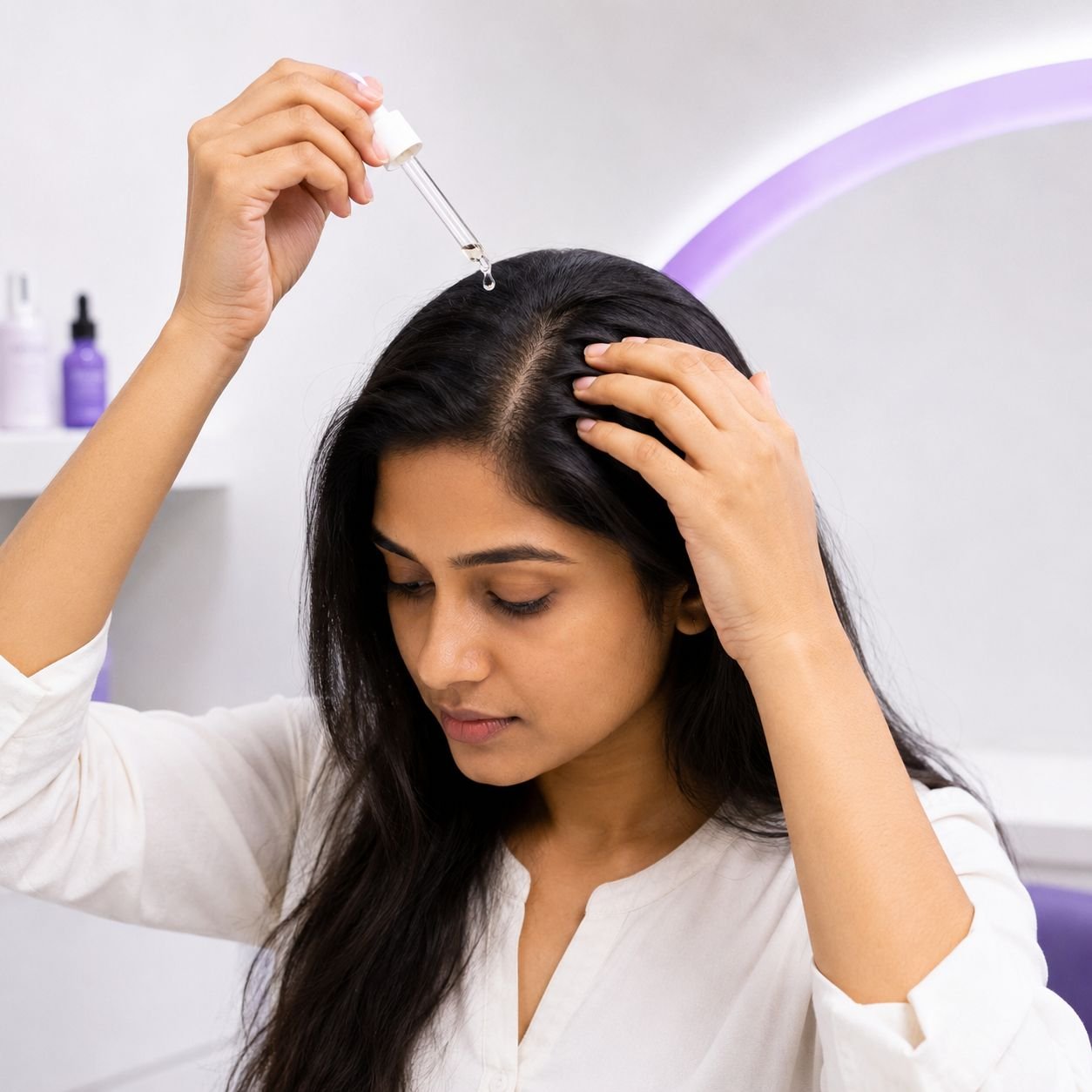
Regrowth Monitoring & Follow-Up
Regular reviews help monitor new growth, identify early signs of recurrence, and adjust medicines or scalp care when required.
Specialist-Led Care
Why Choose HairDoc?
HairDoc combines specialist expertise, detailed scalp assessment, personalized care planning, and diagnostic technology to provide a structured approach to alopecia areata.

Hair Specialists Experienced in Autoimmune Hair Disorders
Our hair specialists have extensive experience in evaluating and managing autoimmune hair disorders, including alopecia areata and related patchy hair-loss conditions.

Comprehensive Scalp Evaluation
A detailed scalp evaluation helps determine the pattern, severity, follicle condition, progression, and visible signs associated with autoimmune-related hair loss.

Personalized Treatment Protocols
Treatment protocols are planned according to the patient’s diagnosis, medical history, scalp condition, extent of hair loss, and individual regrowth requirements.
Advanced Diagnostic Technology
Diagnostic tools such as scalp imaging and trichoscopy help our specialists assess follicle health, document the condition, and monitor treatment progress.
Long-Term Scalp Care
Living With Alopecia Areata
Gentle scalp care, consistent treatment, and regular monitoring can help protect affected areas and support long-term scalp health.

Follow a Gentle Hair Care Routine
Handle your hair carefully and avoid excessive pulling or friction to protect affected areas.
Avoid Harsh Chemicals
Limit harsh hair products, coloring, bleaching, and chemical treatments that may irritate the scalp.
Protect the Scalp From Sun Exposure
Cover exposed patches or use suitable sun protection to help prevent sun damage to the scalp.
Use Mild Hair Care Products
Choose gentle shampoos and hair-care products recommended by your hair specialist.
Avoid Scratching Affected Areas
Avoid scratching or irritating bald patches because this may worsen scalp sensitivity and discomfort.
Manage Stress
Practice healthy stress-management techniques because stress may contribute to flare-ups in some individuals.
Maintain a Balanced Diet
Follow a nutritious, balanced diet that supports overall wellness and healthy hair growth.
Correct Nutritional Deficiencies
Address vitamin, mineral, or nutritional deficiencies identified during your professional evaluation.
Follow Your Treatment Plan
Use prescribed medicines consistently and follow treatment recommendations as advised by your specialist.
Attend Regular Follow-Up Appointments
Routine follow-ups help monitor progress and allow timely adjustments to the treatment plan.
Report New Hair-Loss Patches
Inform your specialist when new bald patches appear or existing areas change so treatment can be reviewed promptly.