




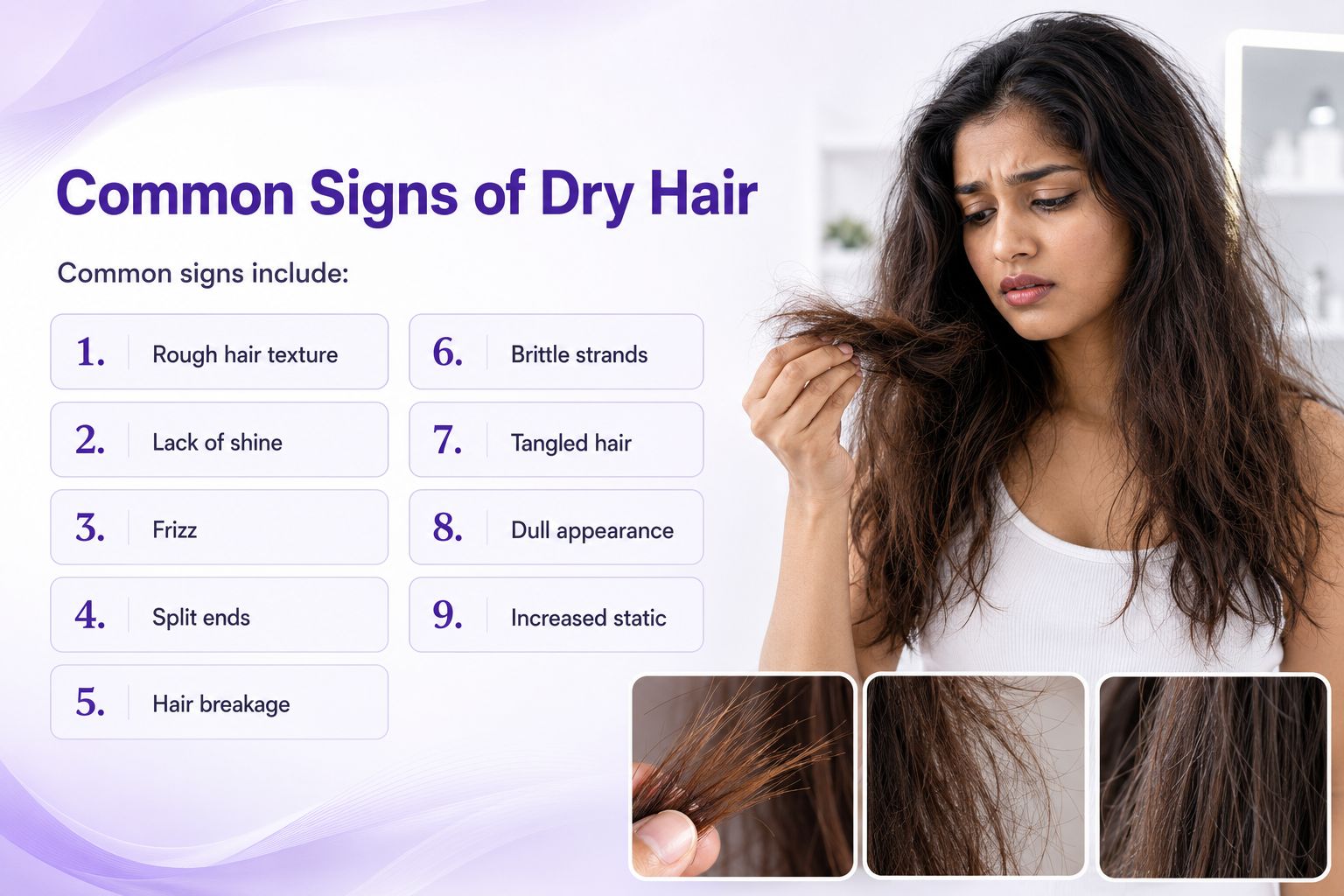
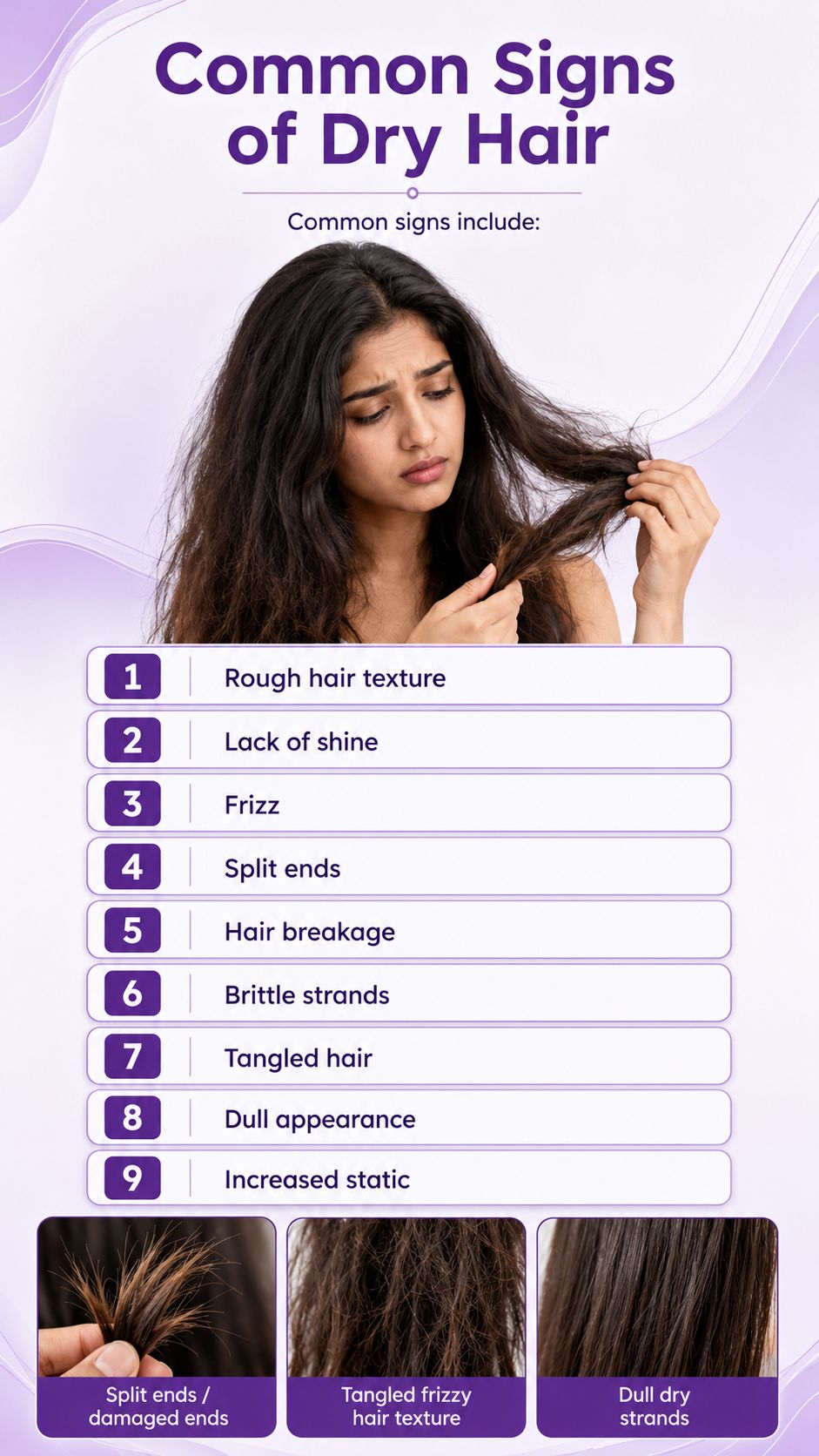
What Causes Dry Hair?
Frequent Heat Styling
Regular use of straighteners, curling irons, and blow dryers removes moisture from the hair, leaving it dry, brittle, and prone to breakage.
Excessive Shampooing
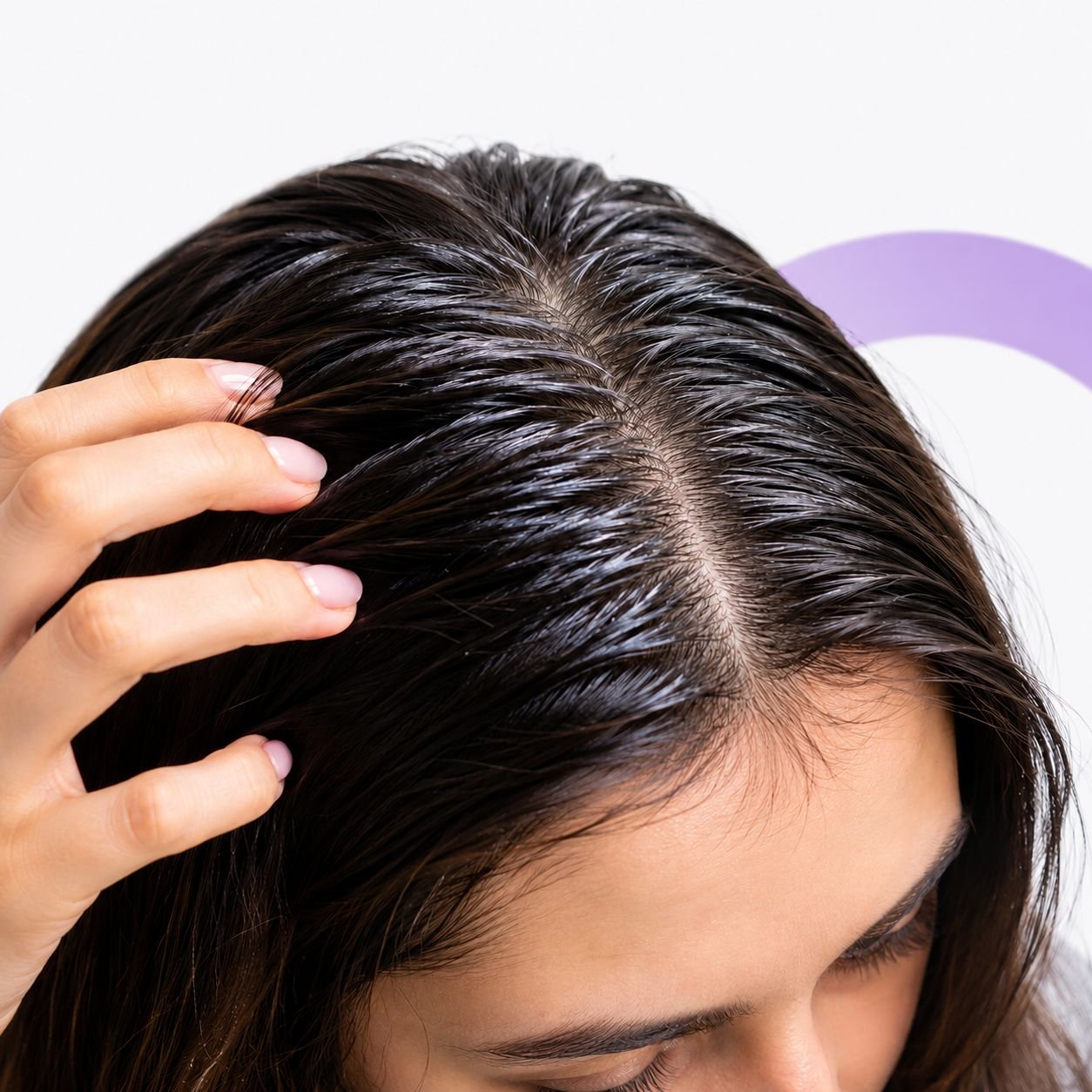
Washing your hair too often can strip away its natural oils, reducing moisture and causing dryness.
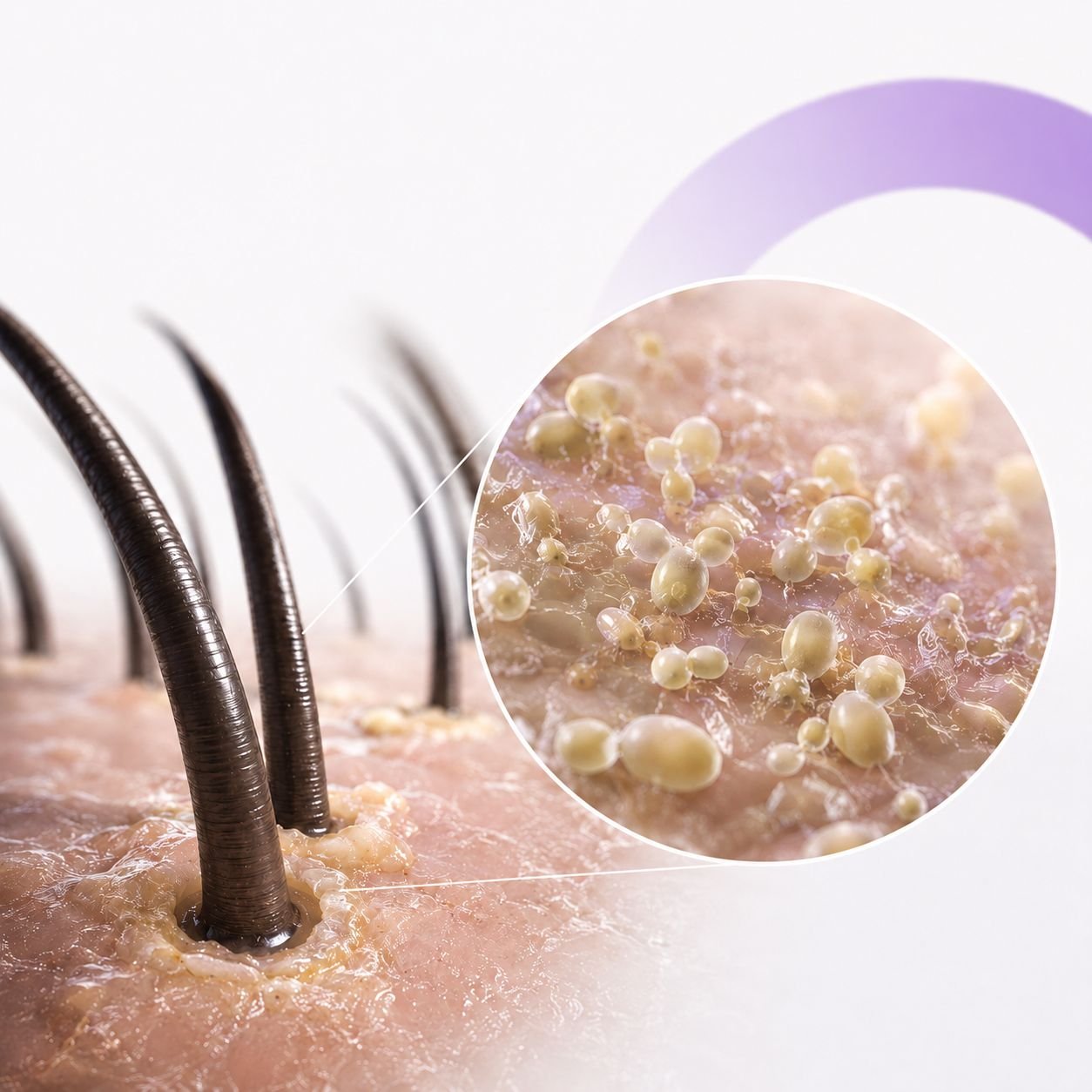
Harsh Hair Products
Strong shampoos, styling products, and chemical-based hair care products may damage the hair shaft and worsen dryness.
Chemical Treatments
Hair coloring, bleaching, straightening, smoothening, and perming can weaken the hair structure, making it rough, dull, and dry.
Sun Exposure
Prolonged exposure to sunlight can damage the outer hair layer, causing moisture loss and dryness.
Chlorine & Saltwater
Frequent swimming in chlorinated pools or saltwater can remove natural oils and leave hair dry and difficult to manage.
Environmental Pollution
Dust, pollution, and environmental toxins can affect scalp health and contribute to dry, lifeless hair.
Low Humidity
Dry weather and low humidity reduce moisture levels in the hair, leading to frizz and dryness.
Nutritional Deficiencies
A lack of protein, iron, vitamins, minerals, or healthy fats can weaken the hair and reduce its natural moisture.
Hormonal Changes
Hormonal fluctuations can affect scalp oil production, resulting in dry and brittle hair.
Thyroid Disorders
Thyroid imbalances may contribute to dry hair, hair thinning, and excessive hair fall.
Aging
As we age, natural oil production decreases, making hair drier and less manageable.
Certain Medications
Some medications can alter hair texture and reduce moisture, leading to dryness.
Scalp Conditions
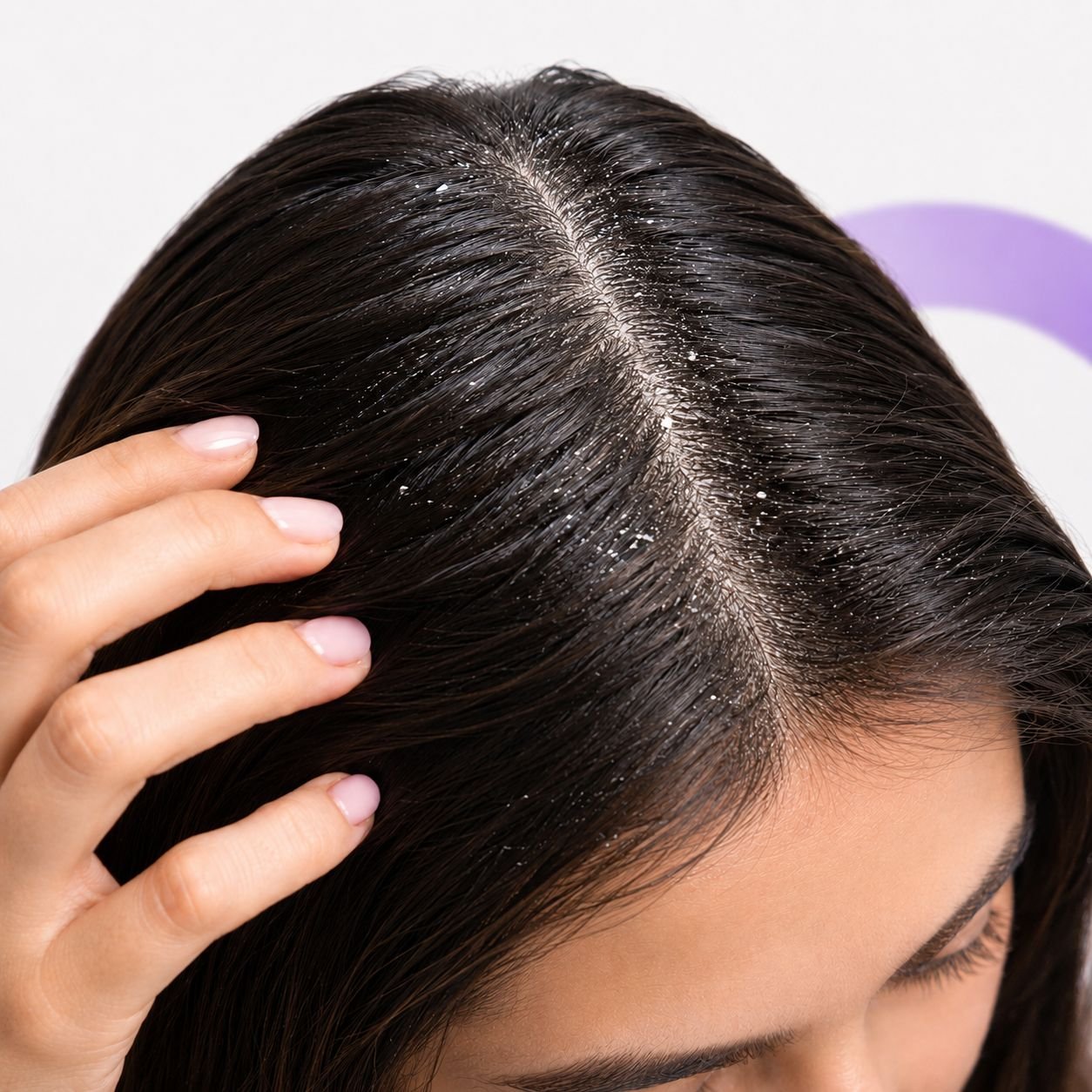
Conditions such as dandruff, eczema, psoriasis, scalp infections, or chronic scalp irritation can affect scalp health and contribute to dry hair.
Dry Hair Treatment at HairDoc
Our Treatment Approach
 01
01
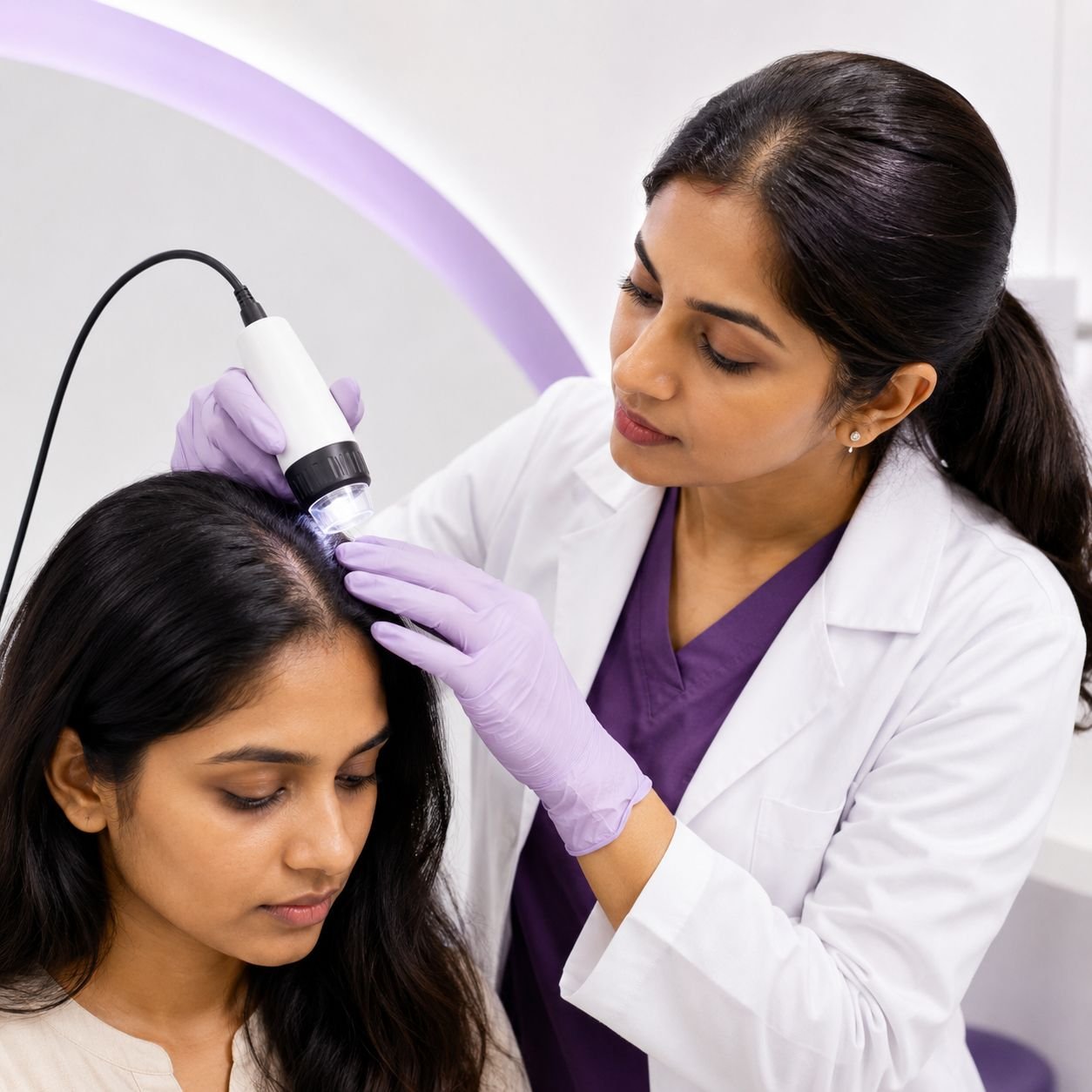
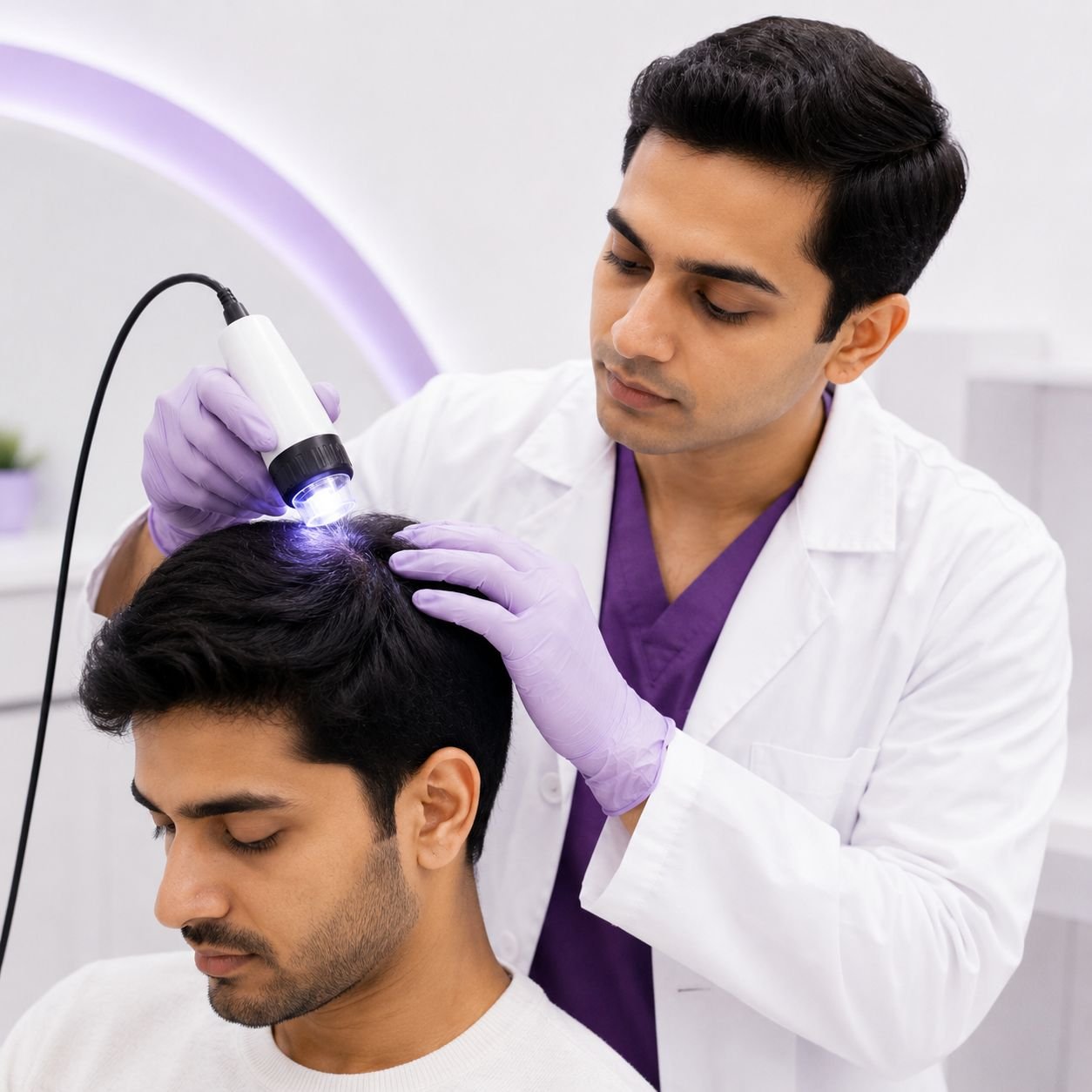
Hair & Scalp Assessment
We evaluate your hair texture, scalp condition, moisture levels, and possible causes of dryness before recommending treatment.
 02
02
Moisture Restoration Plan
Personalized hair care guidance helps restore moisture and improve overall hair health.
 03
03
Gentle Hair Care Recommendations
Suitable shampoos, conditioners, and hair care products are recommended based on your hair type and scalp condition.
 04
04
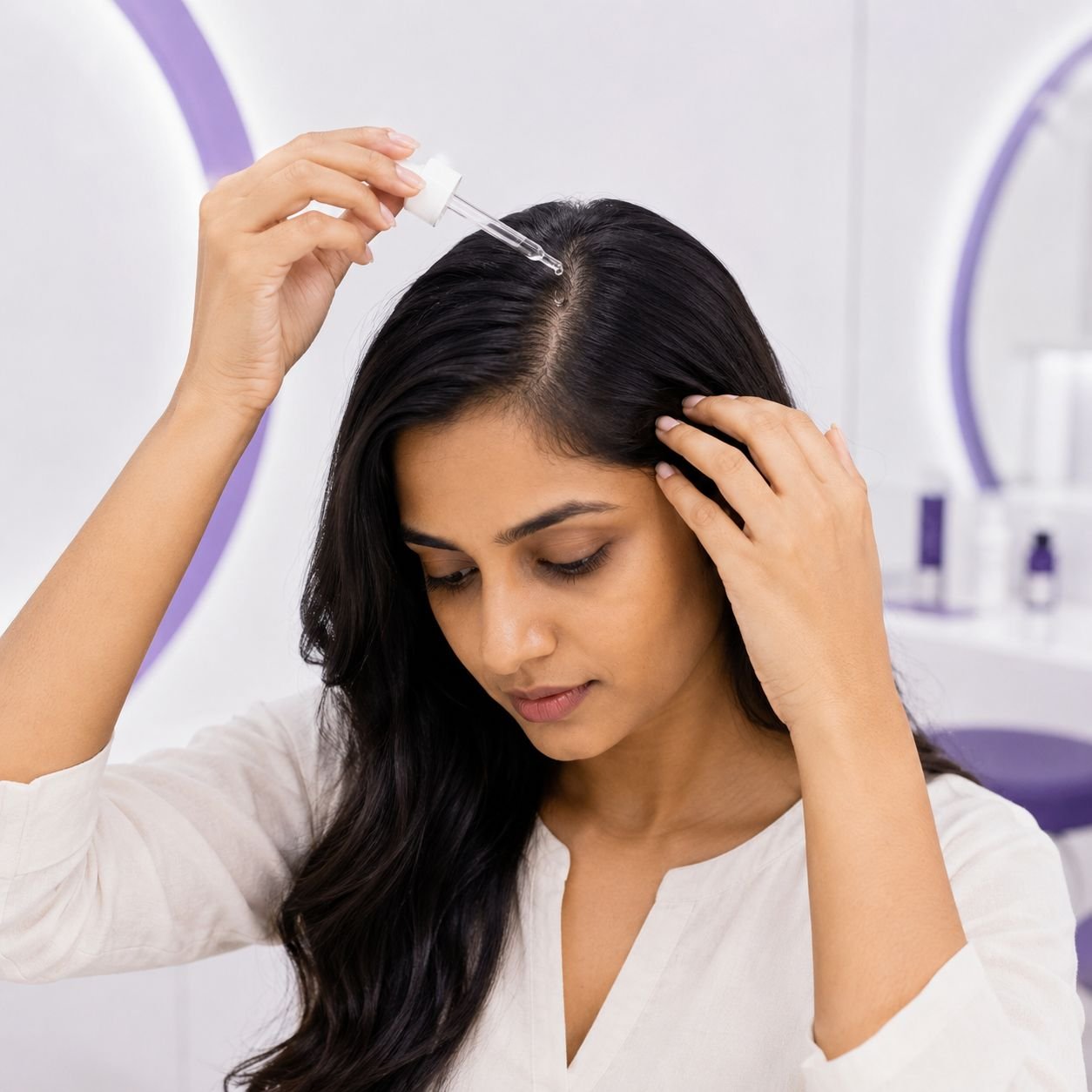
Dry Scalp Care
If dryness is associated with a dry or sensitive scalp, targeted scalp care may be advised.
 05
05
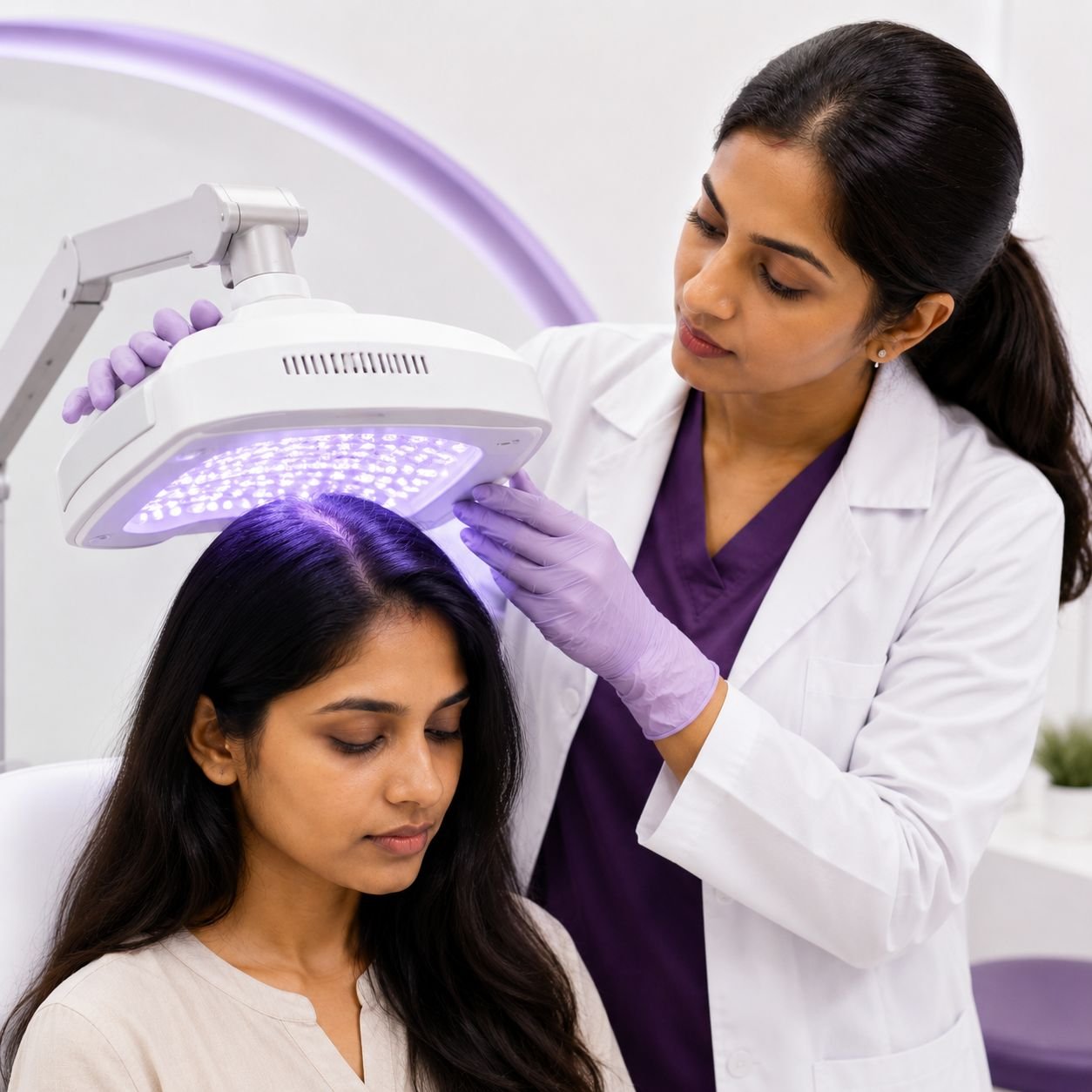
Dandruff & Scalp Condition Management
Treatment may be recommended for dandruff, flaky scalp, itching, or other scalp conditions contributing to dry hair.
 06
06
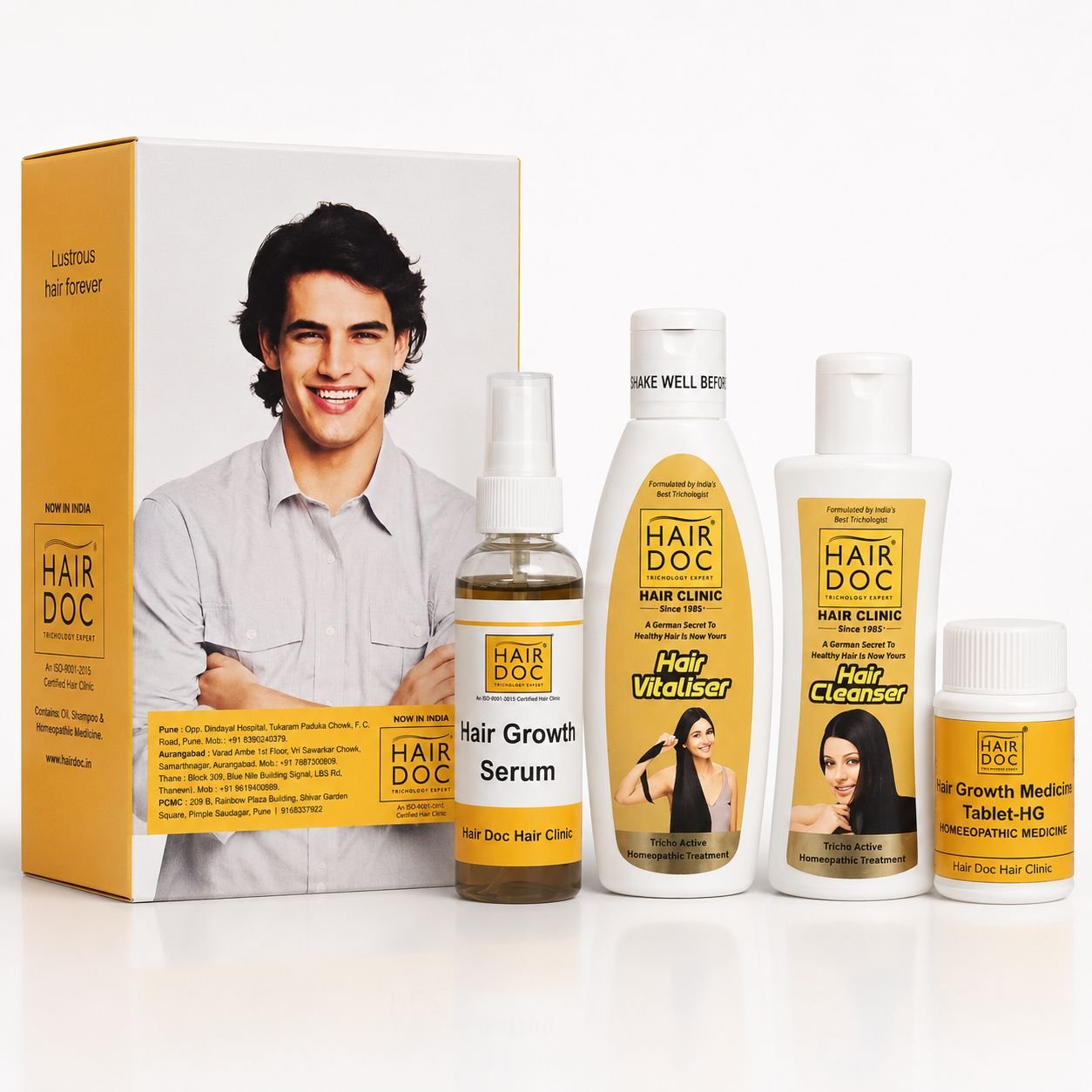
Hair Strengthening Support
Hair-strengthening therapies may help reduce breakage and improve hair texture where appropriate.
 07
07
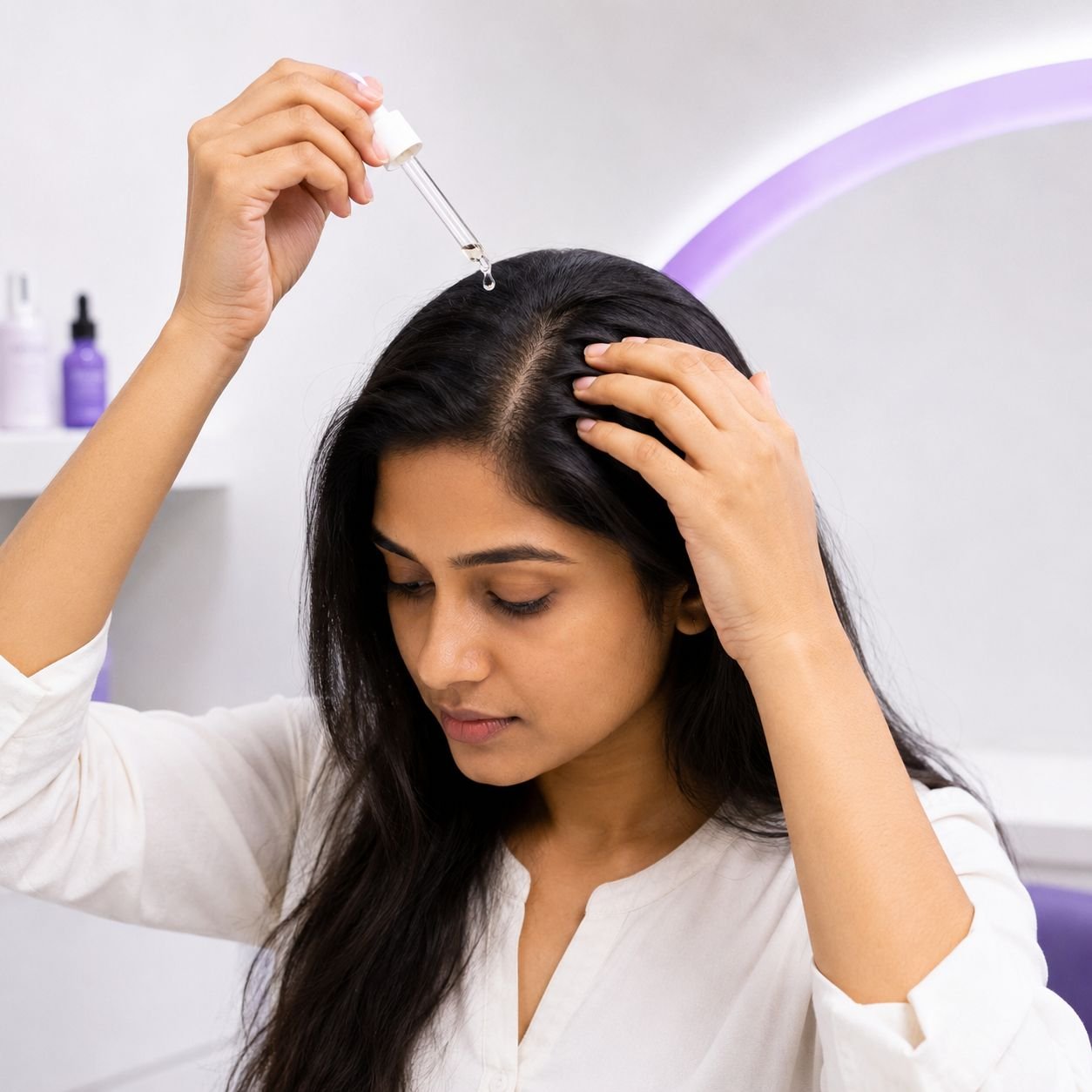
Nutritional & Lifestyle Guidance
Dietary advice and healthy lifestyle recommendations help support stronger, healthier, and well-hydrated hair.
 08
08
Damage Repair Care
Specialized care may be suggested for hair damaged by coloring, bleaching, straightening, or frequent heat styling.
09
Home Hair Care Routine
A personalized home care routine is provided to maintain moisture, minimize damage, and improve long-term hair health.
10
Follow-Up & Long-Term Hair Care
Regular follow-ups help monitor progress, adjust the care plan, and maintain healthy, manageable hair over time.
Specialist-Led Dry Hair Care
Why Choose HairDoc?
HairDoc combines specialist expertise, detailed hair and scalp evaluation, personalized treatment planning, and advanced diagnostics to address the causes of dry and damaged hair.

Hair Care Specialists
Our hair specialists identify the underlying causes of dry hair and recommend personalized solutions to restore healthy, well-nourished hair.
Comprehensive Hair & Scalp Evaluation
We assess your hair, scalp, lifestyle, nutrition, and daily hair care routine to understand the factors contributing to dryness.
Personalized Treatment Plans
Every treatment plan is tailored to your hair type, scalp condition, level of damage, and individual hair care needs.
Advanced Hair & Scalp Diagnostics
Using advanced diagnostic techniques, we evaluate hair and scalp health to provide accurate recommendations and targeted care.
How to Prevent Dry Hair
Healthy hair starts with the right hair care routine, proper scalp care, and healthy lifestyle habits. Consistent care can help maintain moisture, reduce damage, and prevent dryness.
Wash Hair According to Your Hair Type
Avoid washing too frequently, as it can strip away natural oils, while infrequent washing may lead to scalp buildup.
Use a Gentle Shampoo
Choose a mild or sulfate-free shampoo suitable for your hair type, especially if your hair is dry, frizzy, or chemically treated.
Condition Your Hair Regularly
Using a conditioner helps lock in moisture, reduce tangles, and improve hair softness and manageability.
Limit Heat Styling
Reduce the use of blow dryers, straighteners, and curling irons to prevent moisture loss and heat damage.
Avoid Frequent Chemical Treatments
Minimize repeated coloring, bleaching, straightening, or smoothening to protect the hair shaft from excessive dryness.
Trim Split Ends
Regular trims help prevent split ends from spreading and reduce hair breakage.
Protect Hair from Environmental Damage
Shield your hair from excessive sun exposure, pollution, and harsh weather to retain its natural moisture.
Treat Scalp Conditions Early
Address dandruff, itchy scalp, flaking, or scalp irritation promptly, as these conditions can contribute to dry and unhealthy hair.
Eat a Balanced Diet
A nutrient-rich diet supports healthy hair growth and helps maintain hair strength and moisture.
Stay Well Hydrated
Drinking enough water helps maintain overall hydration, which supports healthy-looking hair.
Include Protein, Vitamins & Minerals
Protein, iron, zinc, biotin, and essential vitamins play an important role in maintaining healthy hair.
Manage Stress & Get Adequate Sleep
Reducing stress and getting sufficient sleep can support overall scalp health and improve hair quality over time.
Consult a Hair Specialist if Dryness Persists
If dry hair continues despite proper care, a professional hair and scalp assessment can help identify the underlying cause and recommend appropriate treatment.