


Hair Doc

Expert Care for Hair Pulling Disorder & Hair Regrowth

Trichotillomania, also known as hair pulling disorder, is a mental health condition where a person repeatedly pulls out their own hair. This may happen from the scalp, eyebrows, eyelashes, beard, or other body areas. Over time, repeated hair pulling can lead to patchy hair loss, broken hairs, scalp sensitivity, and emotional distress. In some cases, hair may grow back if the hair follicles are still healthy. In other cases, repeated pulling may weaken or damage the follicles.
35+ Years of Expertise Trusted hair & scalp care
50,000+ Cases Treated Result-focused treatment plans
Advanced Tricho-Scanners Detailed scalp analysis
Non-Surgical Hair Care Gentle, clinic-led solutions

Understanding Alopecia Areata

Alopecia areata is a type of hair loss that happens when the immune system attacks the hair follicles. The follicles are not usually destroyed, but their normal hair growth cycle gets disturbed.
This condition can cause sudden hair loss in small patches. In some people, the hair may grow back on its own. In others, alopecia areata may recur or spread to larger areas.
Alopecia areata is different from normal hair fall or common thinning. It usually appears as patchy hair loss and may develop quickly over a few days or weeks.

What Causes Alopecia Areata?
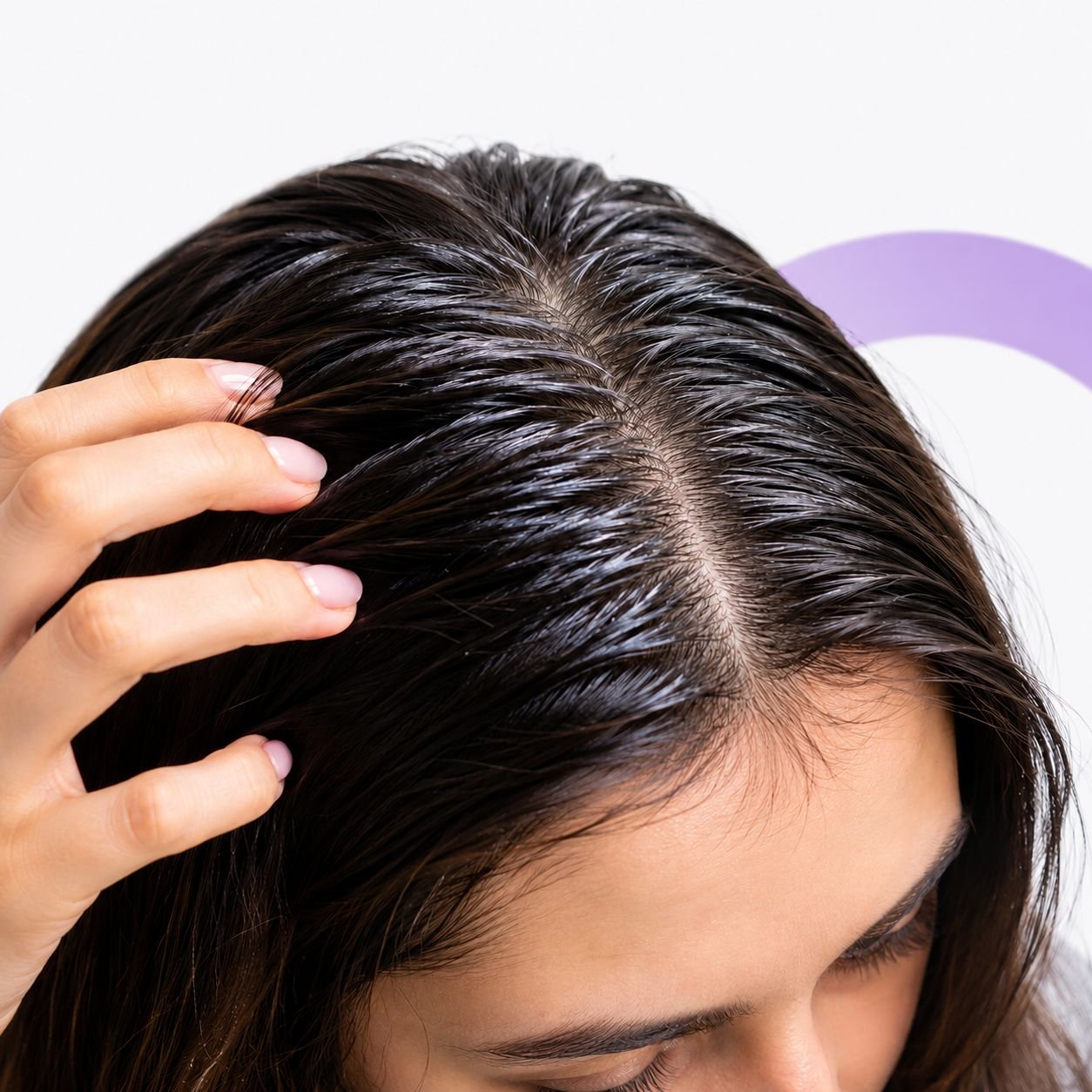
Autoimmune response against hair follicles

Autoimmune Response Against Hair Follicles

The immune system attacks the hair follicles, causing hair to fall out in patches.
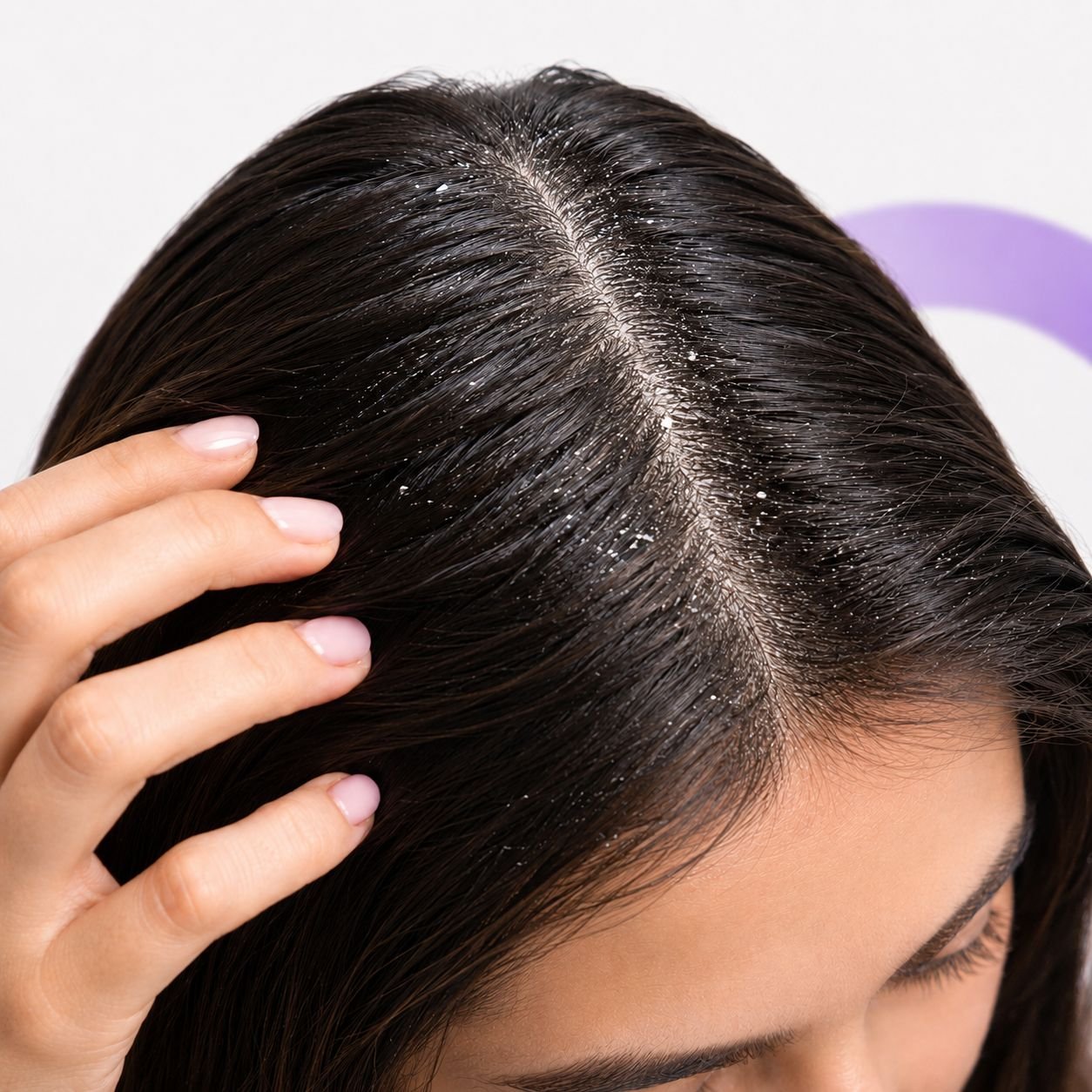
Genetic predisposition to alopecia areata

Genetic Predisposition

Some people may have a higher chance of developing alopecia areata if it runs in the family.
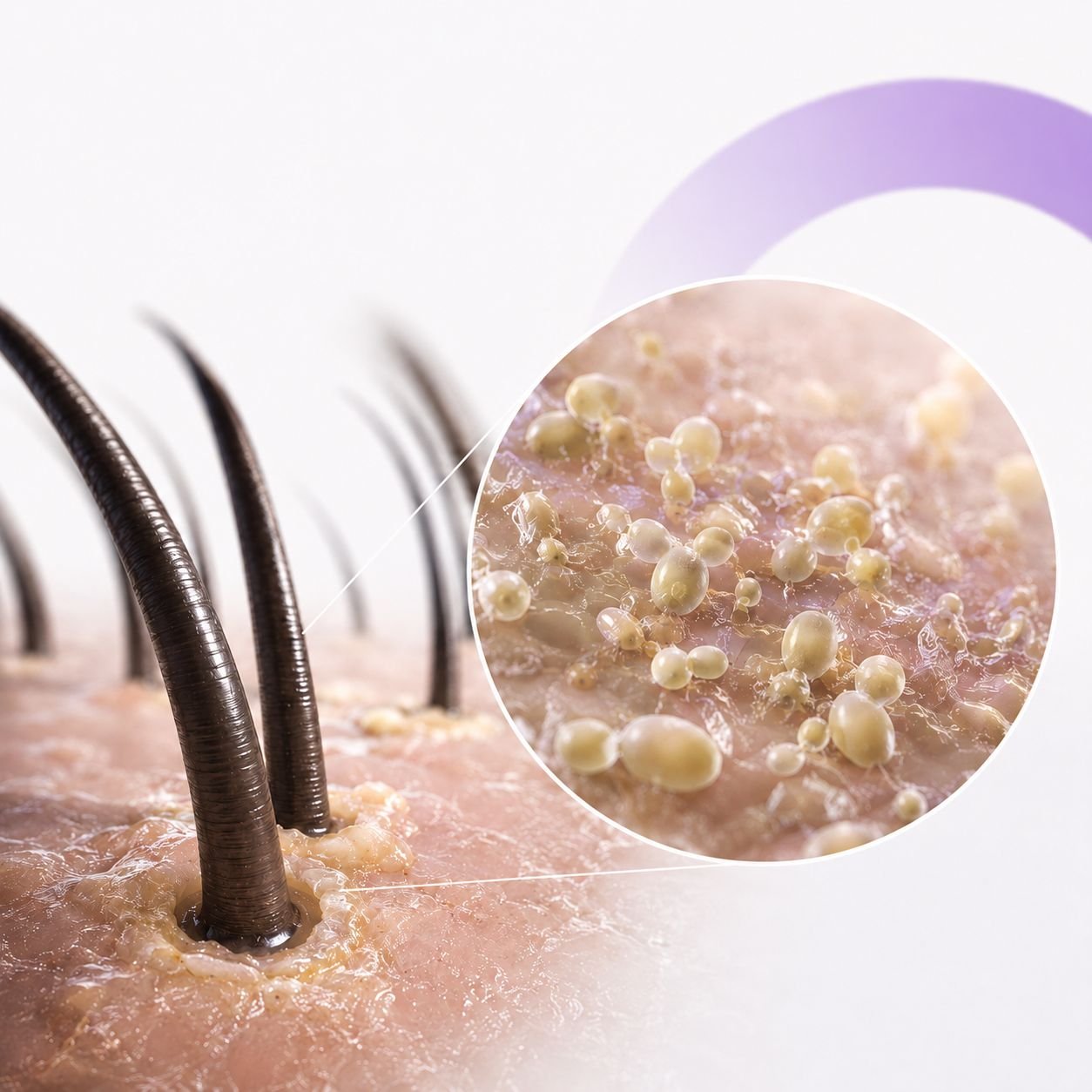
Immune system dysfunction causing alopecia areata

Immune System Dysfunction

An overactive or misdirected immune response may play a role in triggering hair loss.

Alopecia Areata Treatment at HairDoc

Our Treatment Approach
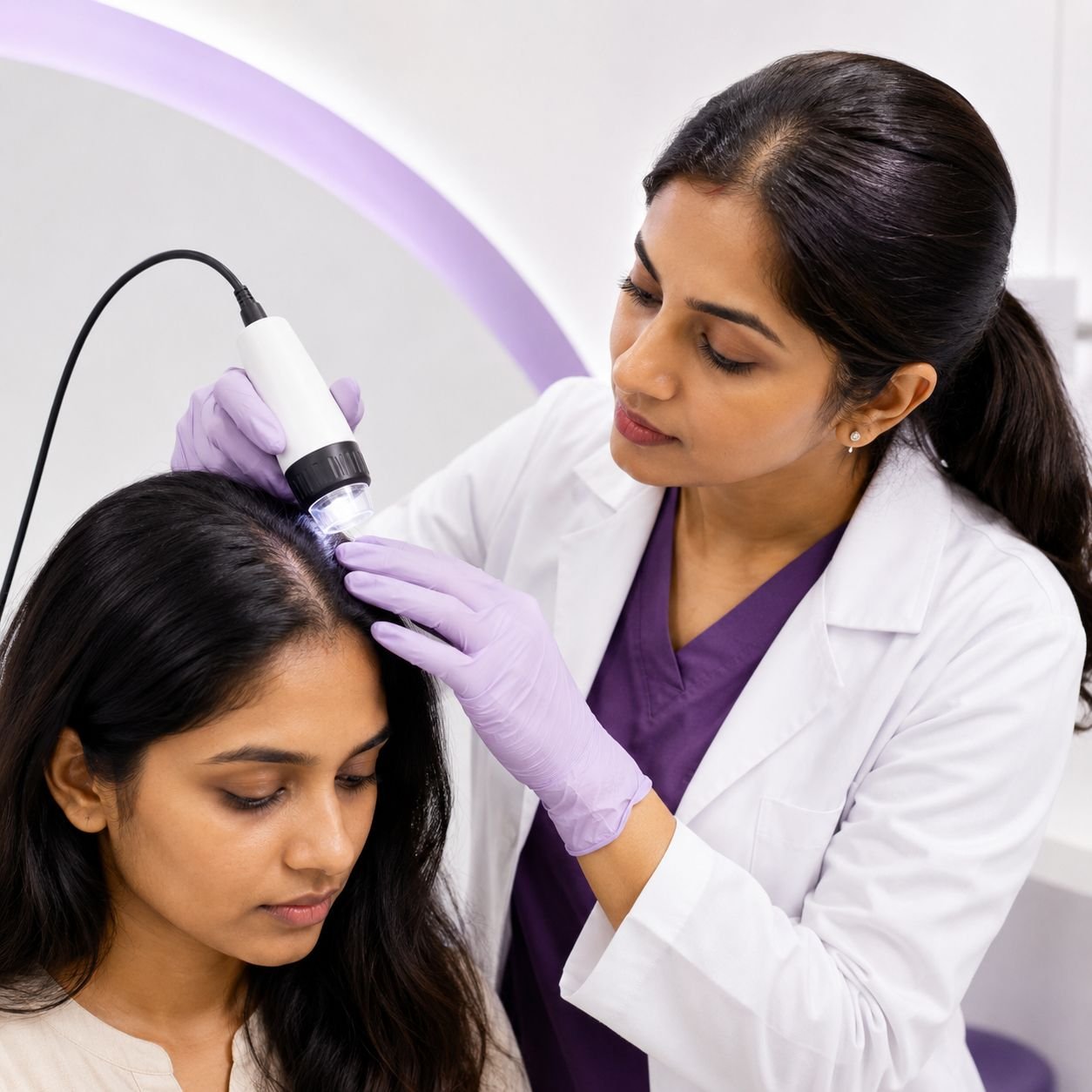
Detailed hair and scalp evaluation for alopecia areata 01

Detailed Hair & Scalp Evaluation

We assess the affected patches, scalp condition, hair follicle activity, and medical history before planning treatment.

Autoimmune support for alopecia areata 02

Autoimmune Support

Our approach also focuses on supporting overall immune balance and identifying possible triggers.

Internal medicines for alopecia areata treatment 03

Internal Medicines

Personalized medicines may be prescribed to support hair regrowth and overall health.
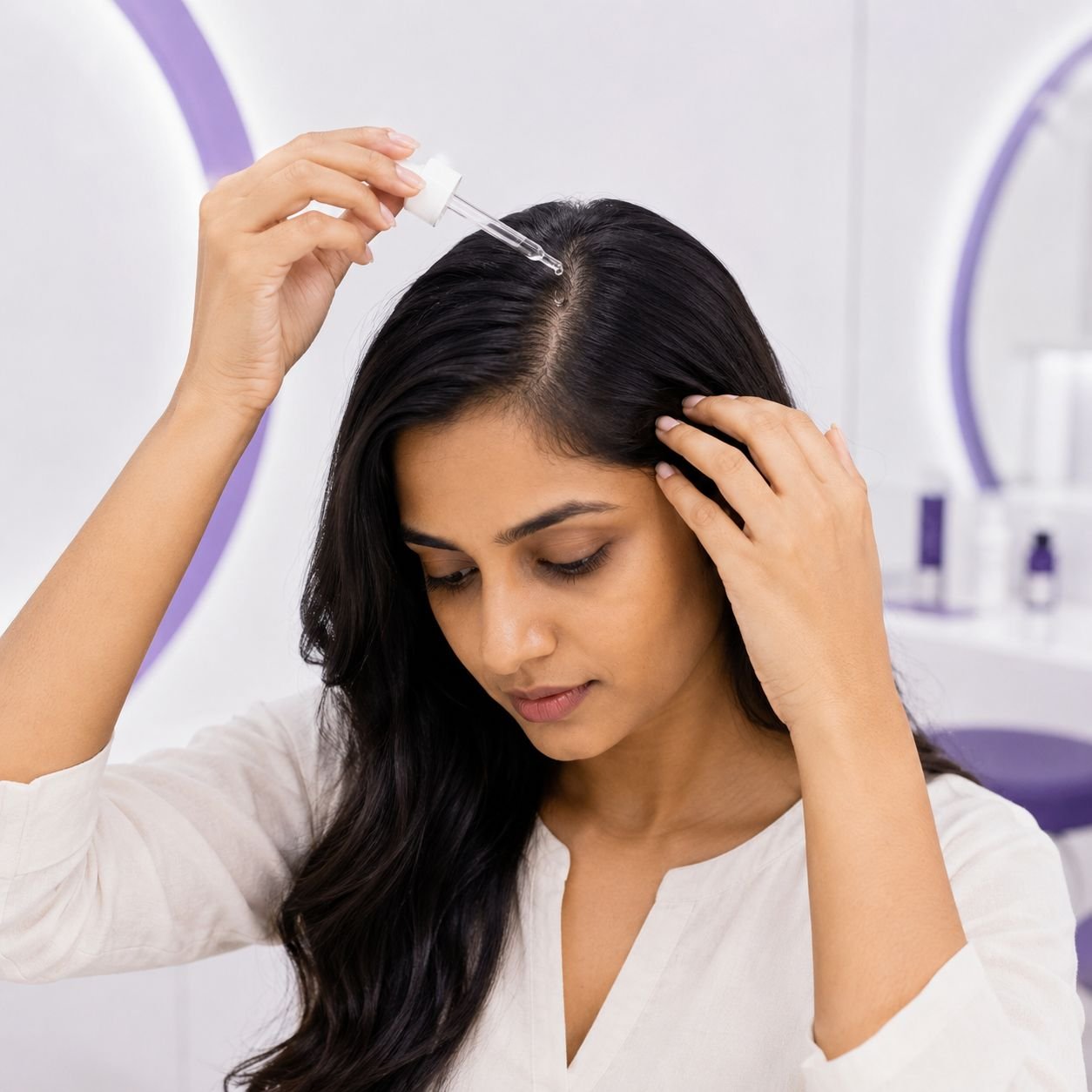
External medicines for alopecia areata patches 04

External Medicines

Specialized scalp applications may be advised to nourish affected areas and support follicle activity.
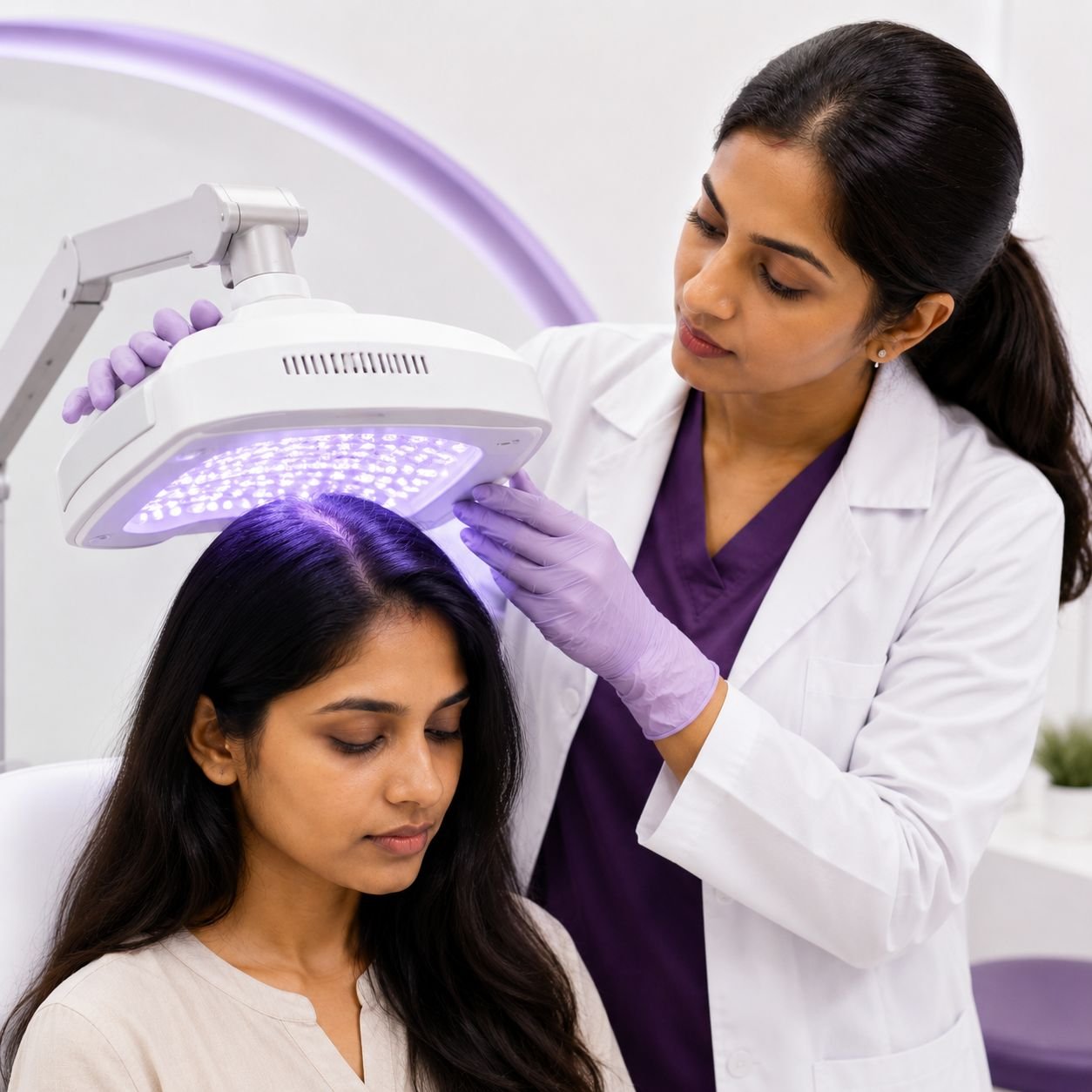
Phototherapy treatment for alopecia areata 05

Phototherapy Treatment

Where suitable, phototherapy or UV-based scalp treatments may be used to stimulate hair follicles and support regrowth.
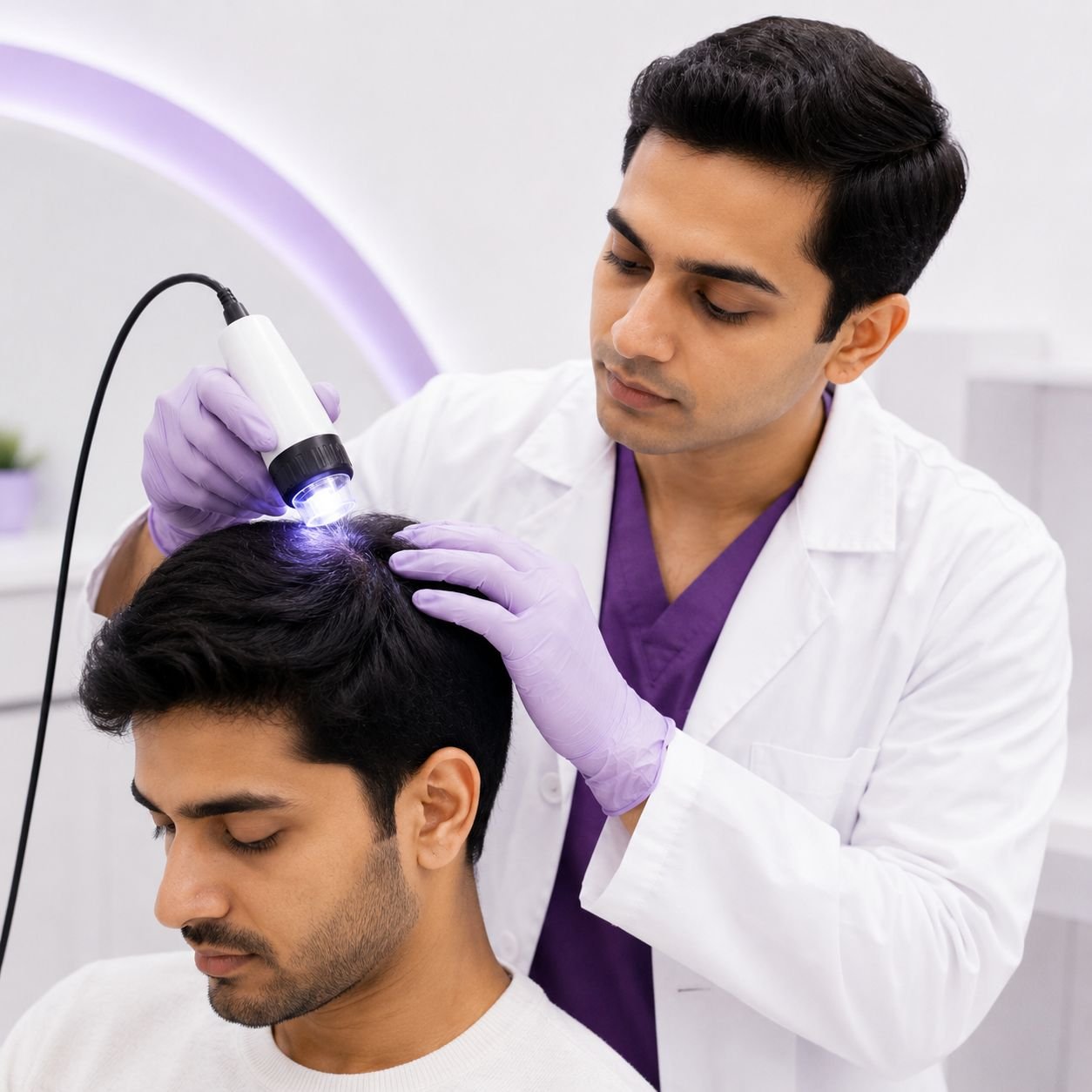
UV therapy for alopecia areata treatment 06

UV Therapy

Treatment may include methods to encourage inactive follicles and support new hair growth.

Hair follicle stimulation for alopecia areata 07

Hair Follicle Stimulation

Regular follow-ups help track progress and adjust the treatment plan when needed.
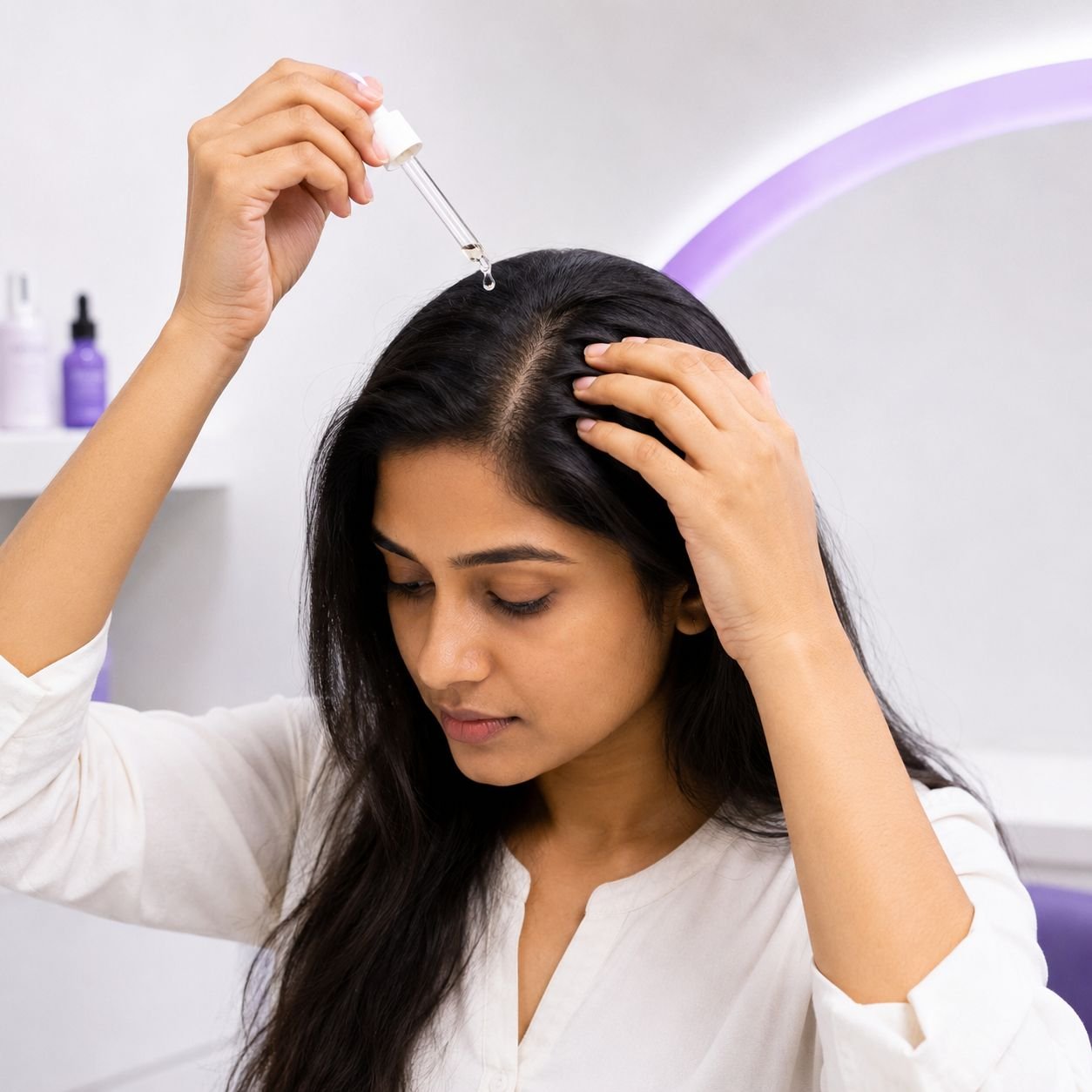
Hair regrowth monitoring for alopecia areata 08

Hair Regrowth Monitoring

Since alopecia areata can recur, ongoing care helps maintain scalp health and manage early signs of relapse.

Alopecia areata treatment for all age groups 09

Treatment for All Age Groups

Customized care is available for men, women, and children with alopecia areata.

Long-term care and prevention for alopecia areata 10

Long-Term Care & Prevention

Ongoing support helps maintain scalp health and manage the chances of recurrence.

Specialist-Led Hair Recovery

Why Choose HairDoc for Trichotillomania?

HairDoc combines specialist hair and scalp assessment, accurate recognition of behavioural hair loss, and personalized care planning to support scalp recovery and healthy hair regrowth.

Experienced Hair & Scalp Specialists

Our specialists are experienced in evaluating hair loss caused by trichotillomania and providing appropriate scalp and hair restoration guidance.

Comprehensive Hair & Scalp Assessment

We perform a detailed evaluation of your hair loss pattern, scalp condition, medical history, and behavioural factors to understand the underlying cause.

Recognition of Behavioural Hair Loss

Our team carefully differentiates trichotillomania from other types of hair loss to ensure an accurate diagnosis and appropriate management.

Personalized Treatment Plans

Every treatment plan is tailored to your individual condition, hair loss severity, scalp health, and recovery goals.

Managing Hair Pulling & Protecting Hair

Follow a Gentle Hair Care Routine

Use mild hair care products and handle your hair gently to avoid unnecessary stress on fragile hair.

Protect Fragile Hair

Take extra care of areas with broken or newly growing hair to support healthy regrowth.

Treat Scalp Conditions Promptly

Manage dandruff, itchy scalp, flaky scalp, oily scalp, or scalp irritation with a proper diagnosis rather than repeated self-treatment.

Practice Stress Management

Relaxation techniques, breathing exercises, mindfulness, or other stress-management practices may help reduce the urge to pull hair.

Follow Therapy Recommendations

Attend therapy sessions as advised to develop healthier coping strategies and improve behavioural control.

Build Healthy Coping Mechanisms

Keep your hands occupied with alternative activities or use stress-relief tools to reduce automatic hair pulling.

Maintain Regular Follow-Up

Regular follow-up appointments help monitor hair regrowth, scalp health, and progress with long-term management.

Frequently Asked Questions

Common questions about alopecia areata, causes, autoimmune hair loss, recurrence, and hair regrowth.

01 What is alopecia areata?

Alopecia areata is an autoimmune hair loss condition where the immune system affects the hair follicles, causing sudden patchy hair loss.

02 What causes alopecia areata?

It is mainly caused by an autoimmune response. Genetics, immune system changes, stress, illness, and family history may also play a role.

03 Is alopecia areata an autoimmune disease?

Yes. Alopecia areata is considered an autoimmune condition because the immune system mistakenly targets the hair follicles.

04 Can hair grow back after alopecia areata?

Yes, hair can grow back in many cases. However, regrowth depends on the severity, duration, and individual response to treatment.

05 Is alopecia areata permanent?

Not always. Some patients experience regrowth, while others may have recurring episodes. A specialist can assess the condition and guide treatment.

06 Can stress trigger alopecia areata?

Stress may act as a trigger in some people, but it is not the only cause. Alopecia areata is mainly linked to immune system activity.

07 Can alopecia areata recur after treatment?

Yes, alopecia areata can recur in some patients. Regular follow-up helps detect new patches early and adjust treatment if needed.

08 Does alopecia areata affect the beard or eyebrows?

Yes. Alopecia areata can affect the scalp, beard, eyebrows, eyelashes, or other hair-bearing areas of the body.

09 Can children develop alopecia areata?

Yes. Children can also develop alopecia areata. Treatment planning for children needs careful medical evaluation.

10 How long does hair regrowth take?

Hair regrowth timelines vary. Some patients may see improvement in a few months, while others may need longer treatment and follow-up.