




Hair Doc

Effective Hair Lice Treatment for a Healthy Scalp

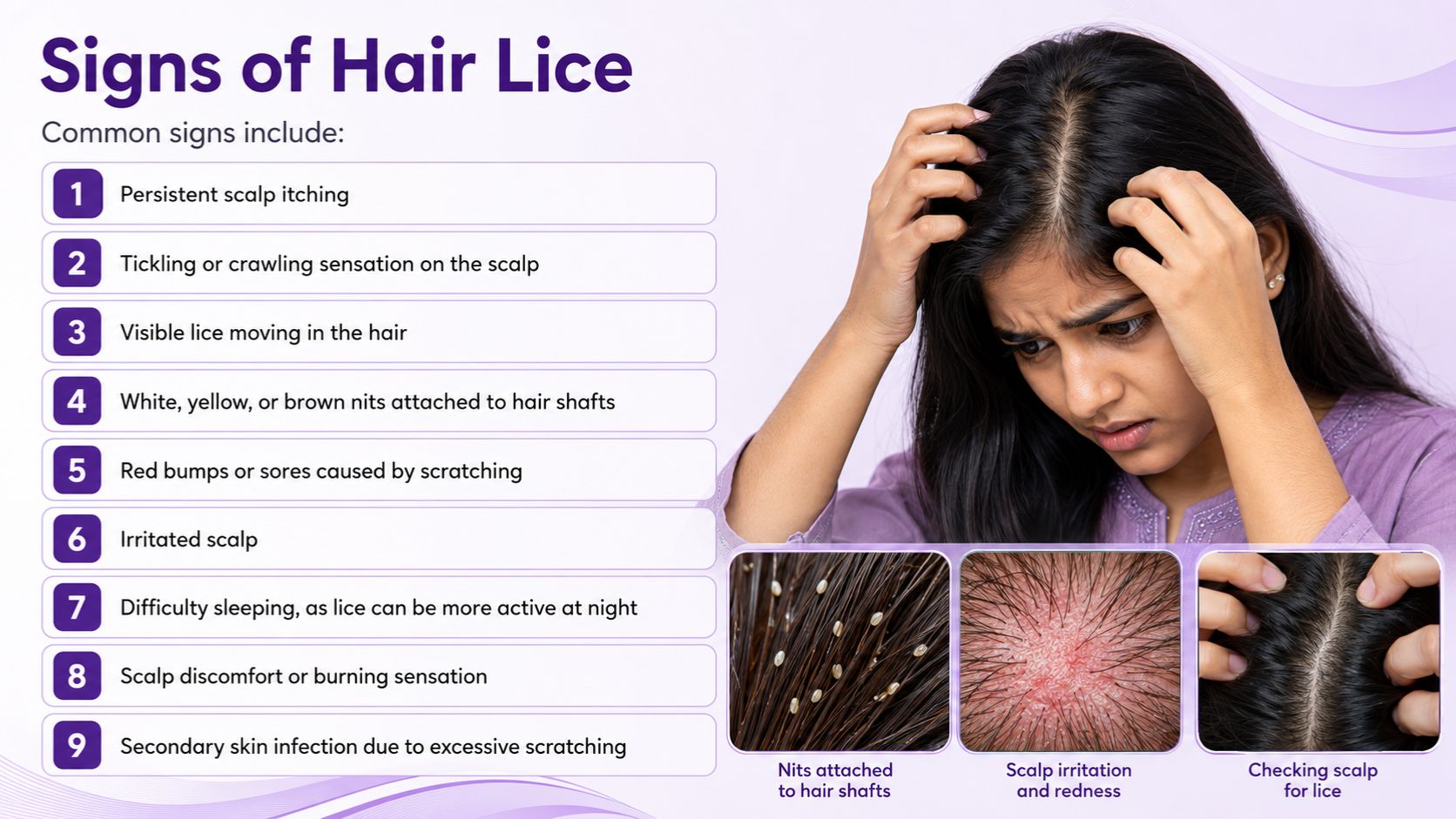
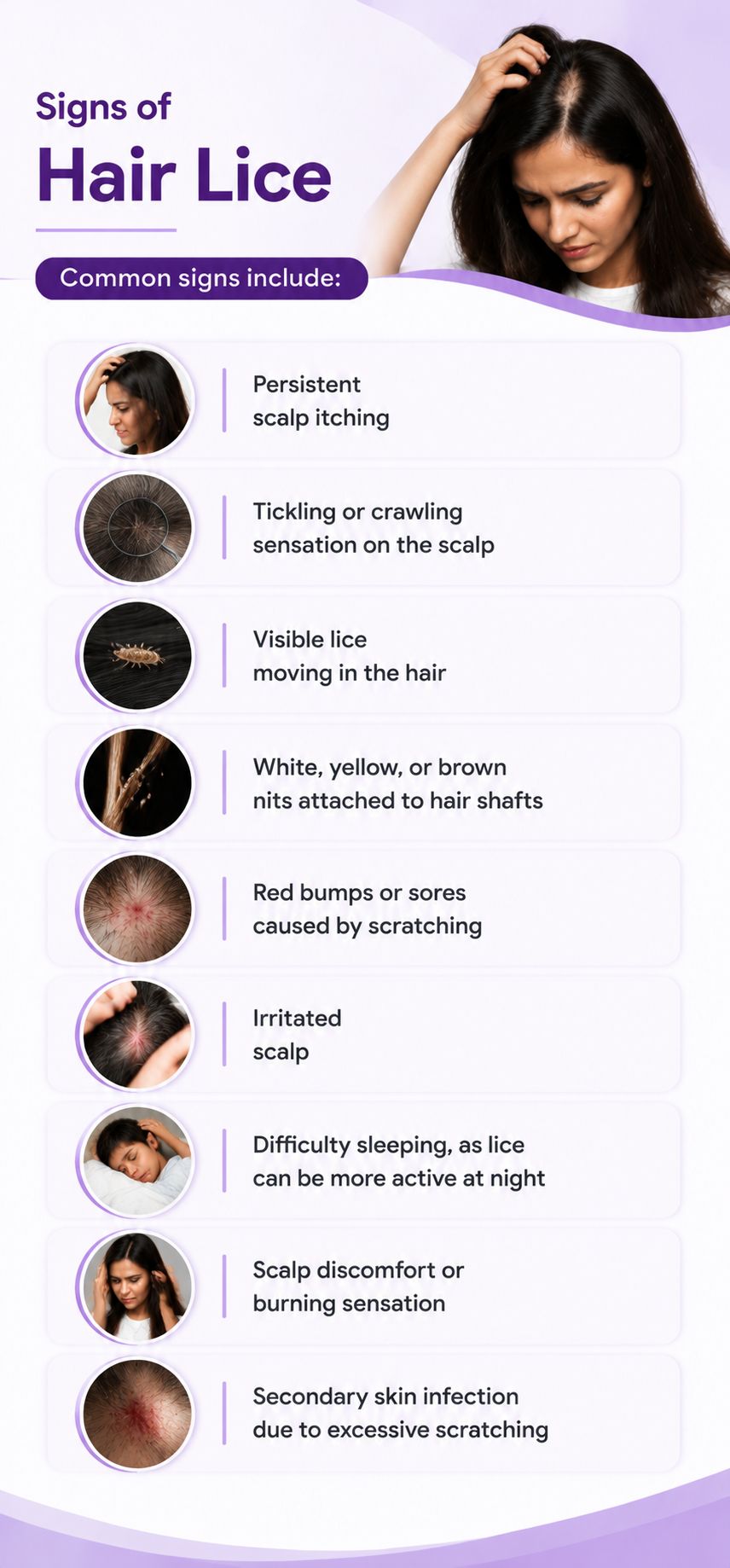
Head lice are a common scalp concern that can affect both children and adults. They are tiny parasites that live on the scalp and feed on human blood. While lice infestation can feel uncomfortable and stressful, it is treatable with the right diagnosis, proper treatment, and preventive care.
35+ Years of Expertise Trusted hair & scalp care
50,000+ Cases Treated Result-focused treatment plans
Advanced Tricho-Scanners Detailed scalp analysis
Non-Surgical Hair Care Gentle, clinic-led solutions

Understanding Hair Lice (Head Lice)

Head lice, medically known as Pediculus humanus capitis, are small insects that live on the human scalp. They are usually found close to the roots of the hair, especially behind the ears and near the back of the neck.
Lice survives by absorbing blood from the scalp. Female lice lay eggs close to the scalp where there is warmth. If not treated properly, the infestation can continue and spread to close contacts.

What Causes Hair Lice?

Head lice happen when lice move from one person’s hair to another person’s hair. They do not fly or jump. They move from hair to hair during close contact.

Having head lice does not mean the person is unhygienic. Lice can affect clean hair as well as oily hair. The issue is contact, not cleanliness.

How Head Lice Spread

Head lice may spread through:

01

Direct Head-to-Head Contact

Lice commonly spread when hair directly touches another person’s hair.

02

Close Contact Activities

Close contact during school, play, sports, or group activities can allow lice to move from one person to another.

03

Sharing Clothing or Towels

Sharing hats, scarves, helmets, or towels may spread lice, though this is less common.

04

Sharing Hair Accessories

Sharing combs, brushes, clips, bands, or hair accessories may spread lice, though this is less common.

Treatment Options for Hair Lice

Hair lice treatment depends on the severity of infestation, age of the patient, scalp sensitivity, and whether there is irritation or infection due to scratching. A treatment plan may include:
Medicated lice treatment 01

Medicated Lice Treatment

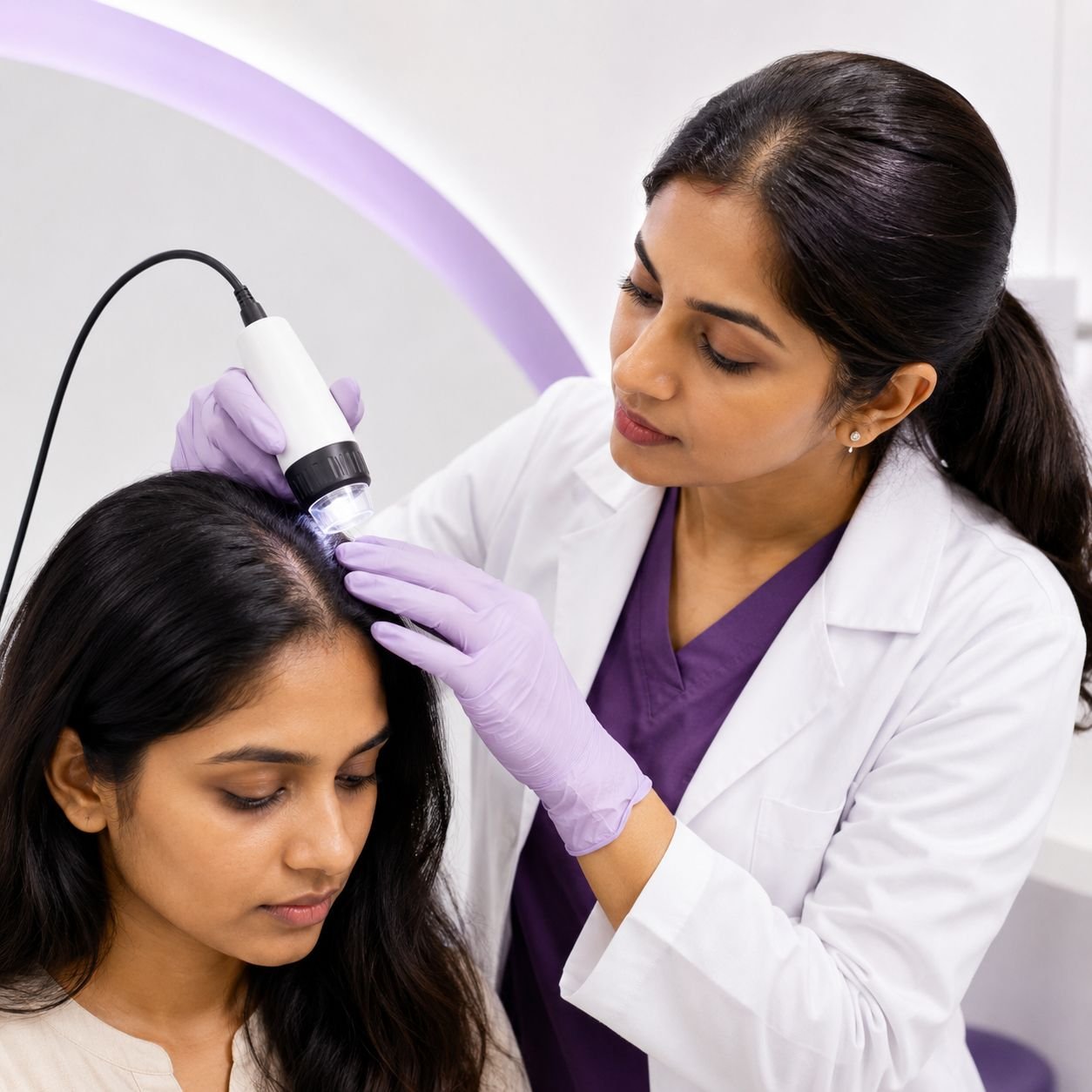
Special lice treatment lotions, shampoos, or medicines may be recommended after examination. These help manage live lice. The type of treatment depends on the patient’s scalp condition and medical history.

Fine-toothed comb removal for hair lice 02

Fine-Toothed Comb Removal

A fine-toothed lice comb may be advised to remove lice and nits from the hair. Proper combing technique is important because nits are firmly attached to the hair shaft.
Repeat treatment guidance for hair lice 03

Repeat Treatment Guidance

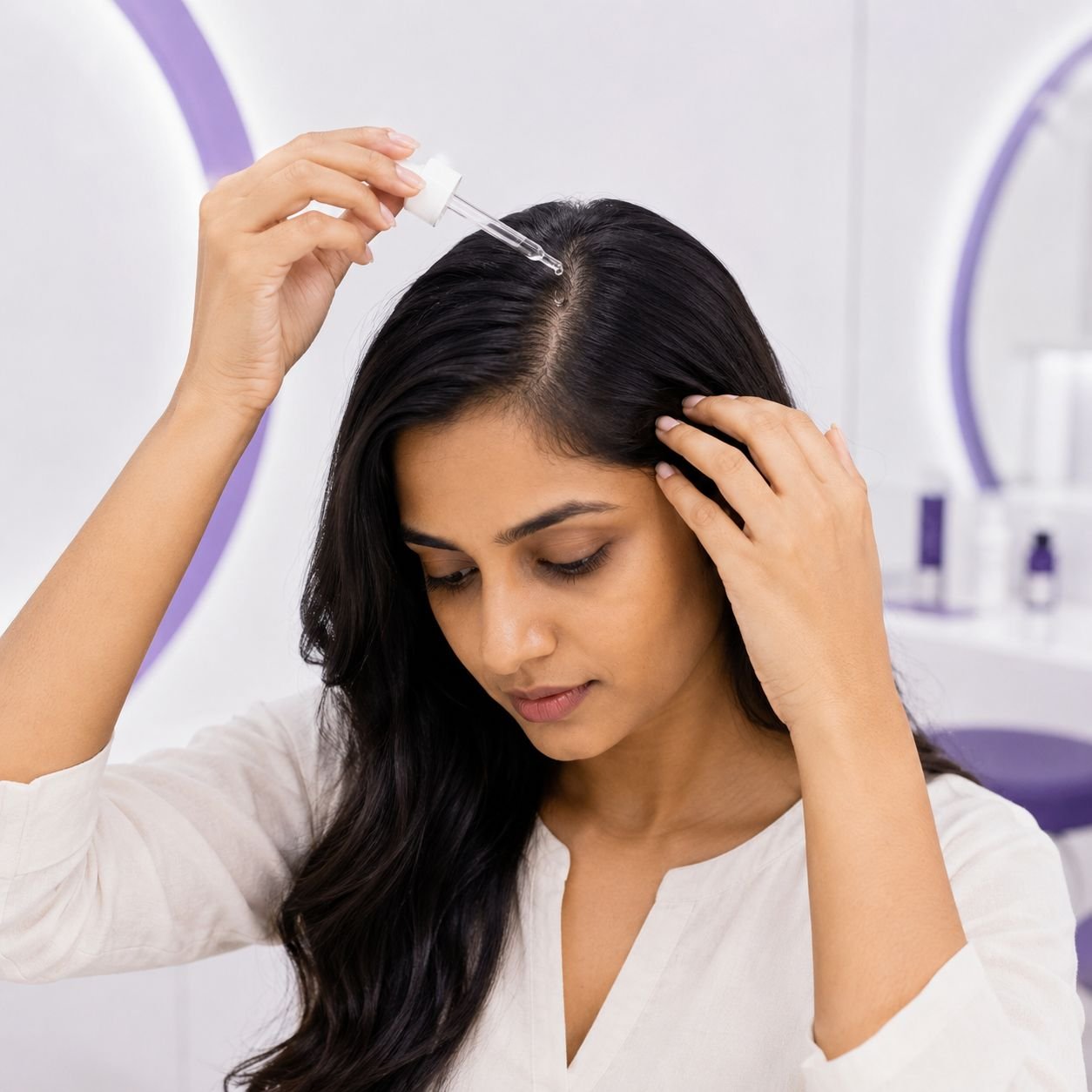
Some cases may require repeat application or follow-up checking as advised by the doctor. This helps reduce the chance of remaining nits hatching later.
Scalp irritation care due to hair lice scratching 04

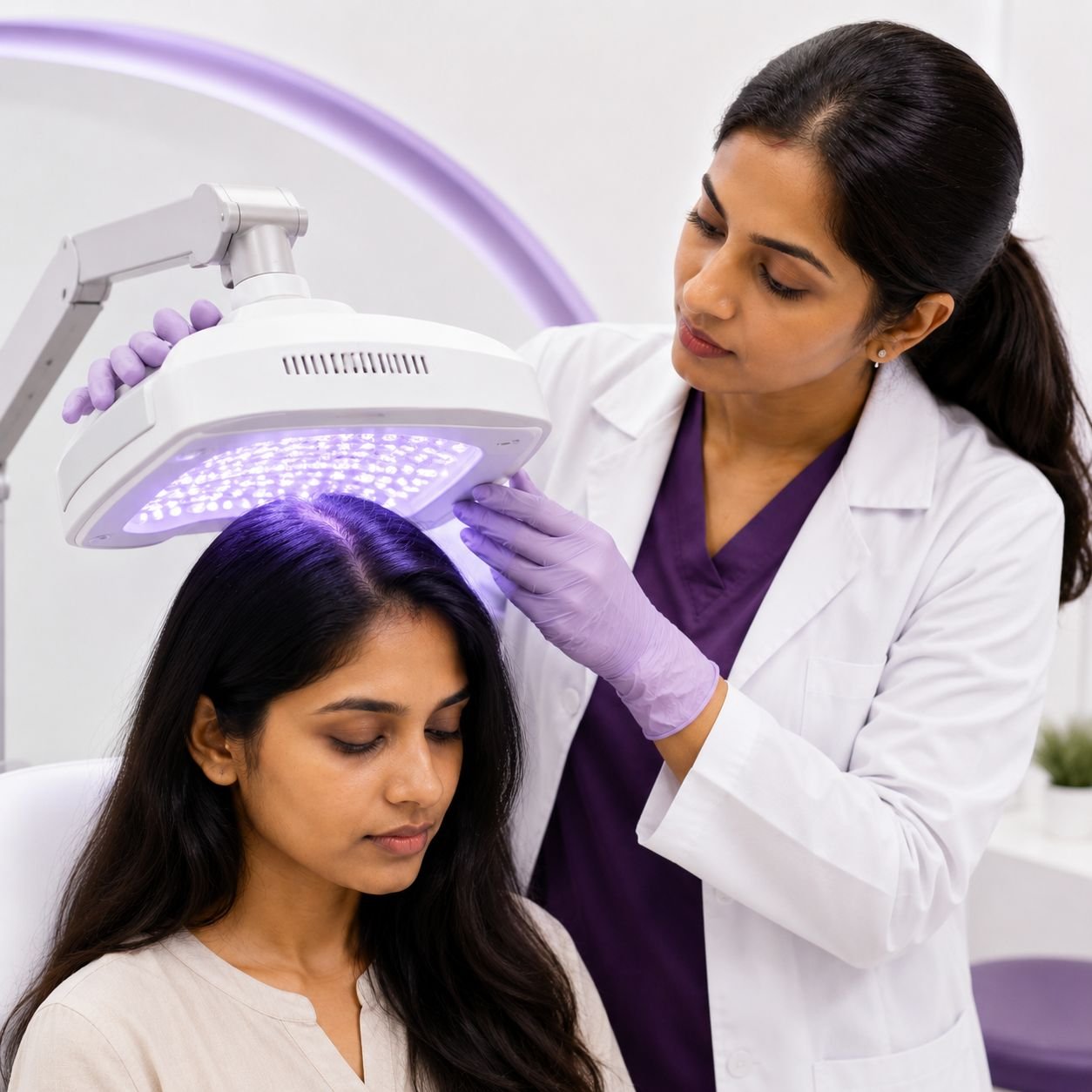
Scalp Irritation Care

If scratching has caused redness, sores, or irritation, the scalp may need additional care. In some cases, secondary skin infection may need medical attention.
Family screening for head lice 05

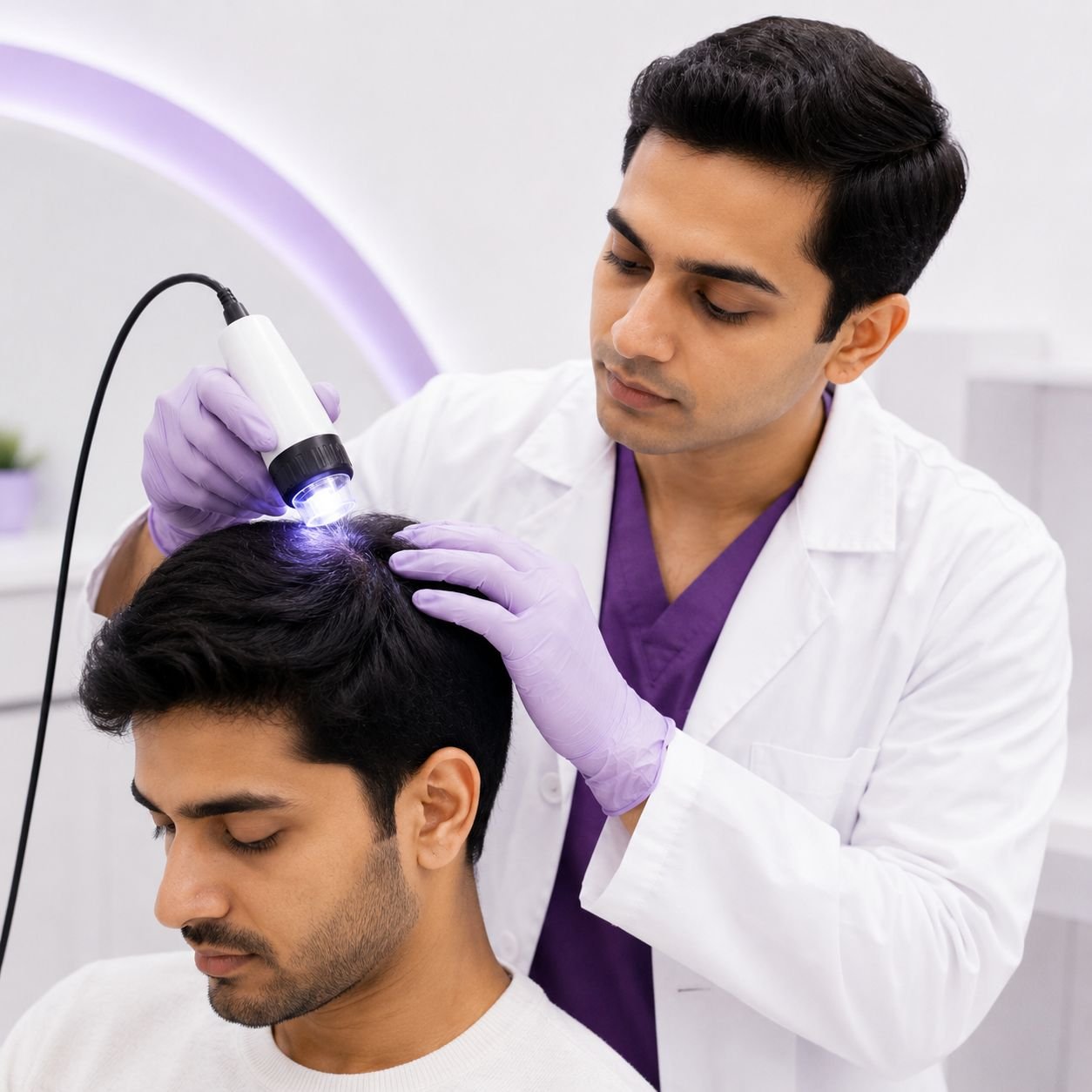
Family Screening

Since head lice can spread among close contacts, family members may also need to be checked. This helps reduce reinfestation.

Prevention guidance for repeated lice infestation 06

Prevention Guidance

Along with treatment, our team guides you on comb cleaning, hair accessory hygiene, pillowcase care, and steps to avoid repeated infestation.

Why Choose HairDoc?

01

Experienced Hair Specialists

Our scalp care specialists accurately diagnose and manage hair lice while evaluating other scalp conditions that may cause similar symptoms.

02

Accurate Scalp Assessment

We perform a detailed scalp examination to distinguish hair lice from dandruff, dry scalp, seborrheic dermatitis, or other scalp concerns.

03

Personalized Treatment Recommendations

Every management plan is tailored to the individual's age, scalp condition, severity of infestation, and family needs.

04

Guidance for Children & Families

Our specialists provide practical advice on treating affected family members, maintaining hygiene, and preventing the spread of lice.

05

Follow-Up Care & Prevention

Regular follow-up helps monitor treatment success, reduce the chances of reinfestation, and maintain a healthy scalp.

06

Support for Overall Scalp Health

Along with treating hair lice, we also evaluate and manage associated concerns such as dandruff, itchy scalp, dry scalp, scalp irritation, and scalp infections.

How to Prevent Hair Lice

Preventing hair lice requires good personal hygiene, avoiding direct spread, and following the right scalp care practices. Early detection and proper treatment can also help reduce the risk of reinfestation.

01

Avoid Head-to-Head Contact

Minimize direct head-to-head contact during play, school activities, or group gatherings to reduce the spread of lice.

02

Do Not Share Personal Hair Items

Avoid sharing combs, brushes, hats, helmets, scarves, hair accessories, or towels with others.

03

Check Hair Regularly

Inspect children's hair routinely, especially during school outbreaks or if someone in the household has lice.

04

Tie Long Hair

Keeping long hair tied during school, sports, or group activities may help reduce the risk of infestation.

05

Clean Personal Hair Accessories

Wash or disinfect combs, brushes, and recently used hair accessories as recommended after treatment.

06

Maintain Regular Hair Hygiene

Keep the hair and scalp clean as part of a healthy routine to support scalp health.

Frequently Asked Questions

Common questions about head lice, dandruff differences, treatment, reinfestation, prevention, and scalp health.

01 Can adults get head lice?

Yes, adults can get head lice too. It is more common in children, but adults may get lice through close contact with an infested person.

02 How can I tell the difference between dandruff and lice?

Dandruff flakes are usually loose and can fall off or be brushed away. Lice eggs are firmly attached to the hair shaft and are difficult to remove. A scalp examination can confirm the difference.

03 What is the right treatment for hair lice?

The right treatment depends on the severity of infestation, age, scalp sensitivity, and whether there is irritation or infection. A specialist may recommend medicated treatment, fine-comb removal, follow-up checking, and prevention guidance.

04 Do I need to shave my head for lice treatment?

Usually, shaving the head is not required. Most lice cases can be managed with proper treatment, combing, and prevention steps. A doctor can guide you based on your condition.

05 Can pets spread head lice?

No, human head lice do not spread from pets. Head lice need human blood to survive.

06 How long do lice live?

Adult lice can live on the human scalp for several weeks if not treated. Away from the scalp, they usually do not survive for long because they need human blood.

07 How do I prevent lice from coming back?

Avoid head-to-head contact, do not share combs or hair accessories, inspect hair during outbreaks, complete the treatment plan, and check close family members when needed.

08 When should I see a doctor for head lice?

You should see a doctor if itching is severe, lice keep coming back, home treatment has not worked, there are sores or redness from scratching, or you are unsure whether it is lice or dandruff.

09 Can lice survive on pillows or furniture?

Head lice survive best on the human scalp. They may live for a short time away from the scalp, but spread mainly happens through direct head-to-head contact. Cleaning recently used pillowcases, combs, and hair accessories may be advised.

10 Can hair lice cause hair loss?

Hair lice usually do not directly cause major hair loss. However, excessive scratching, scalp irritation, or secondary infection may affect scalp comfort and hair health. If you notice hair fall along with itching, consult a scalp specialist.