




What Causes Alopecia Areata?
Autoimmune Response Against Hair Follicles
The immune system attacks the hair follicles, causing hair to fall out in patches.
Genetic Predisposition
Some people may have a higher chance of developing alopecia areata if it runs in the family.
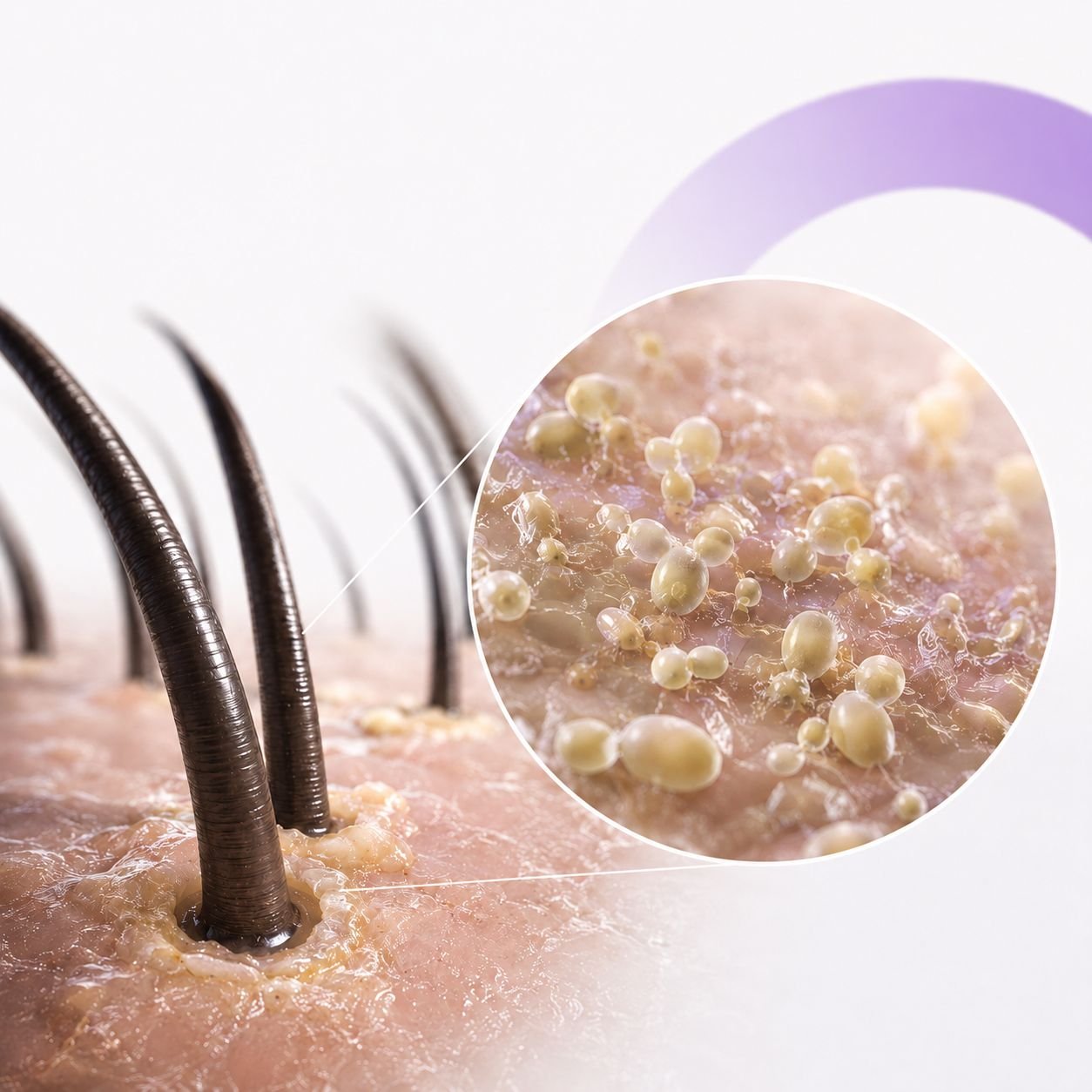
Immune System Dysfunction
An overactive or misdirected immune response may play a role in triggering hair loss.
Alopecia Areata Treatment at HairDoc
Our Treatment Approach
 01
01
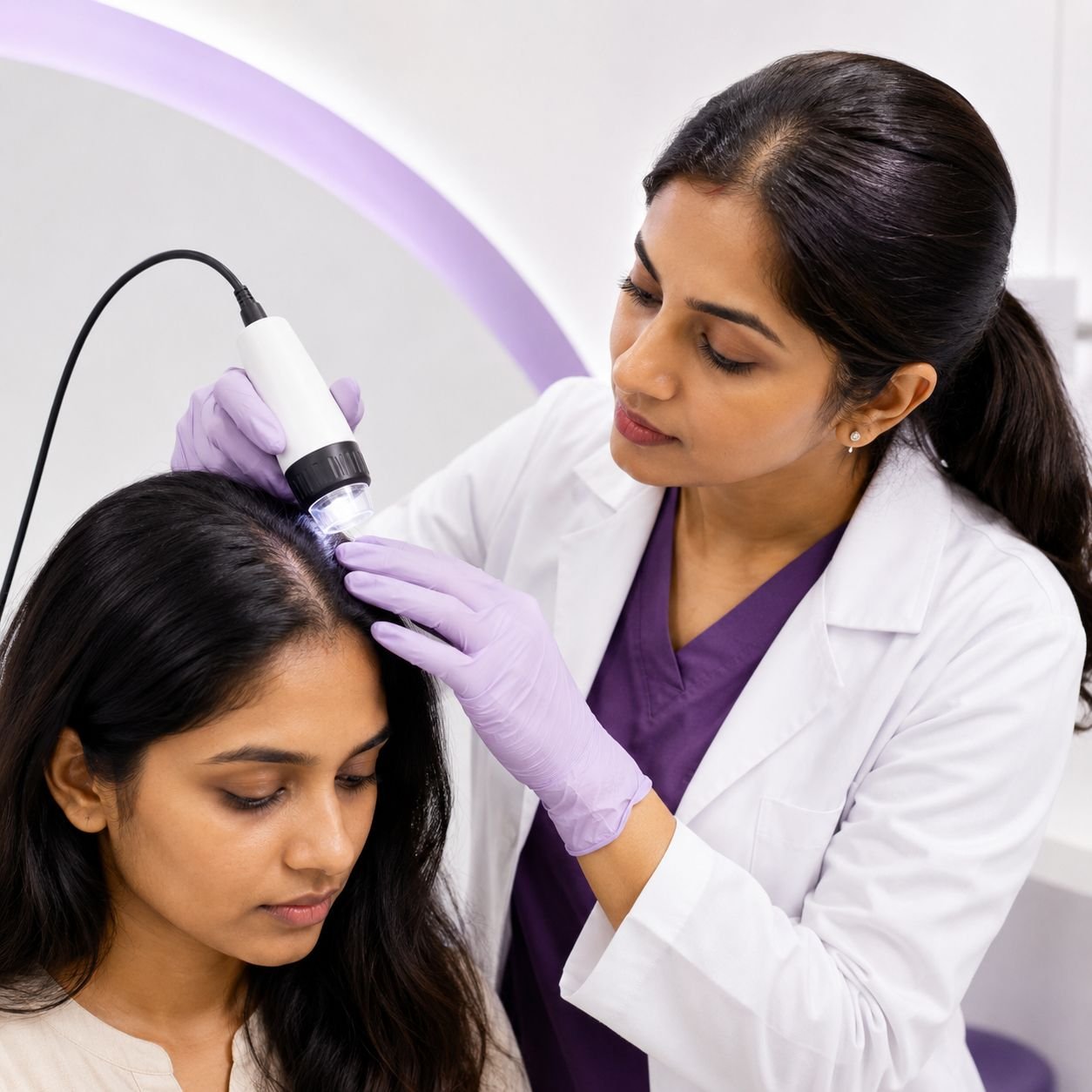
Detailed Hair & Scalp Evaluation
We assess the affected patches, scalp condition, hair follicle activity, and medical history before planning treatment.
 02
02
Autoimmune Support
Our approach also focuses on supporting overall immune balance and identifying possible triggers.
 03
03
Internal Medicines
Personalized medicines may be prescribed to support hair regrowth and overall health.
 04
04
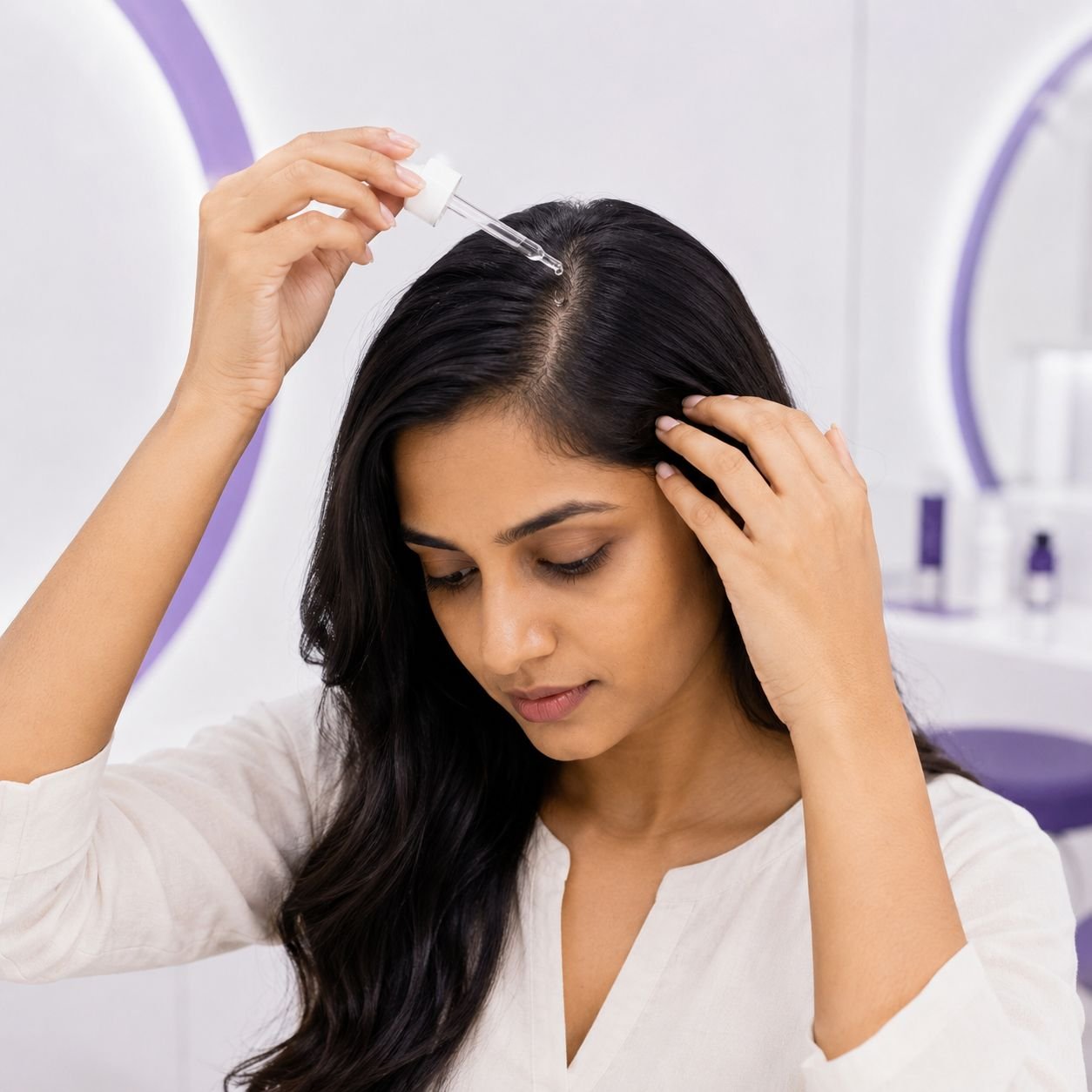
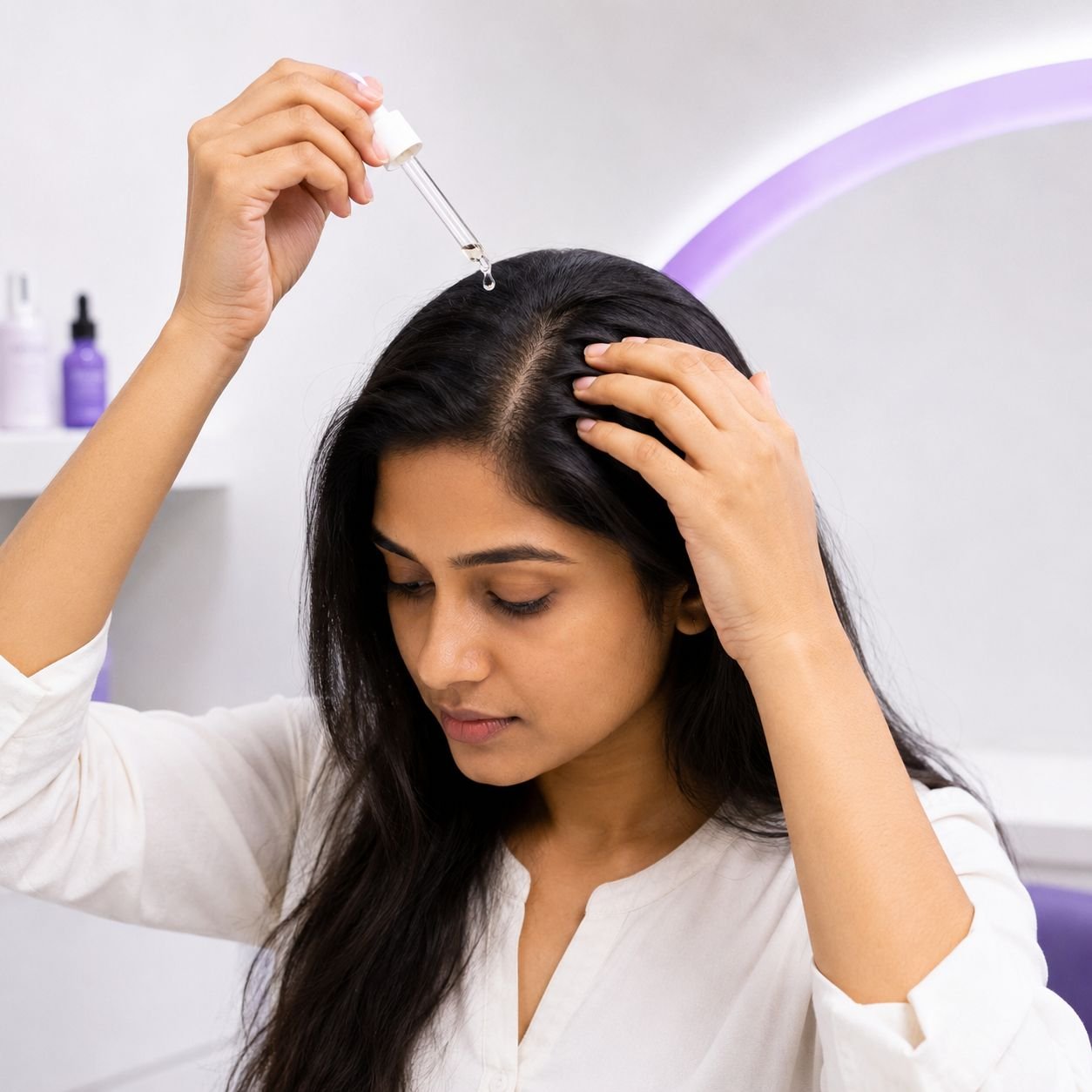
External Medicines
Specialized scalp applications may be advised to nourish affected areas and support follicle activity.
 05
05
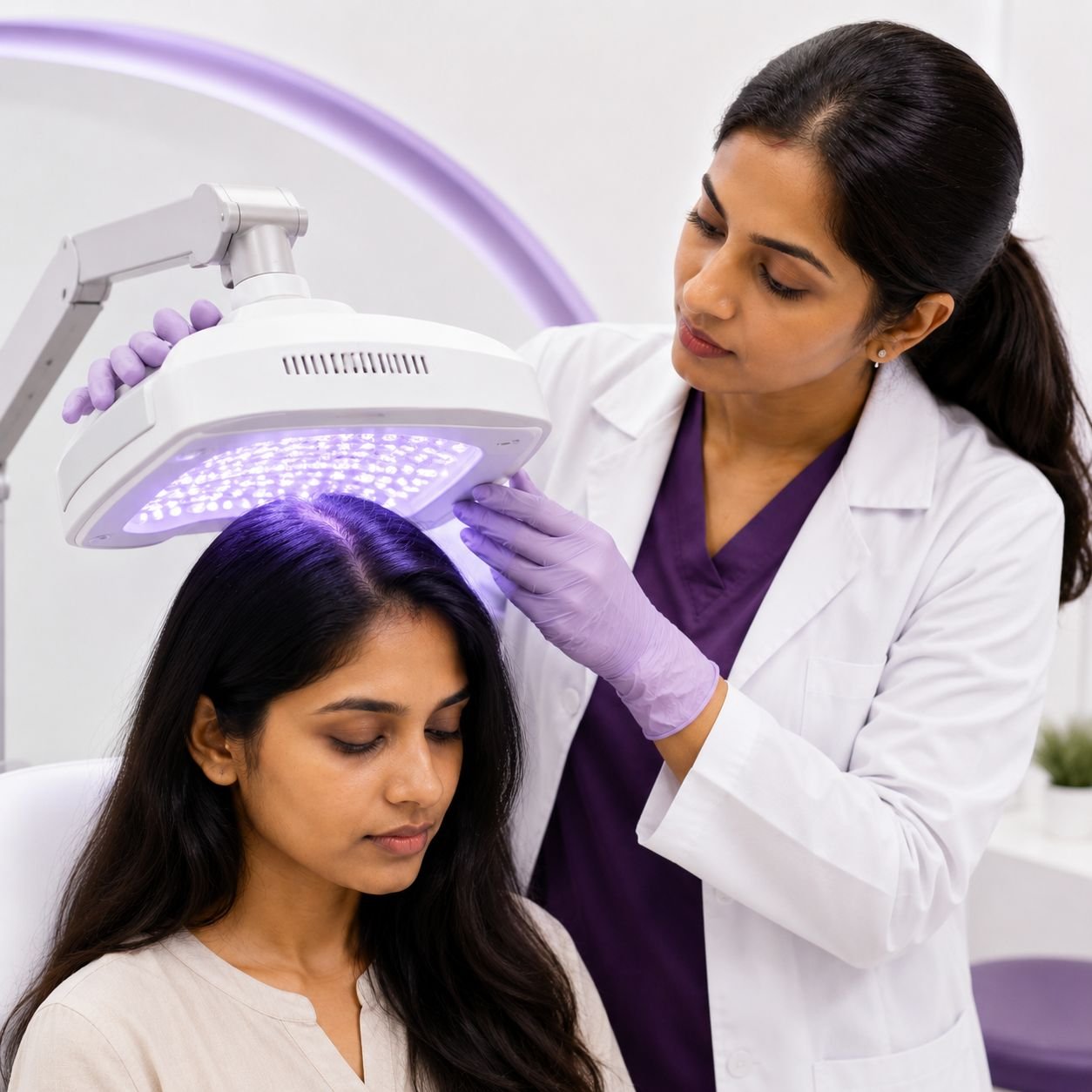
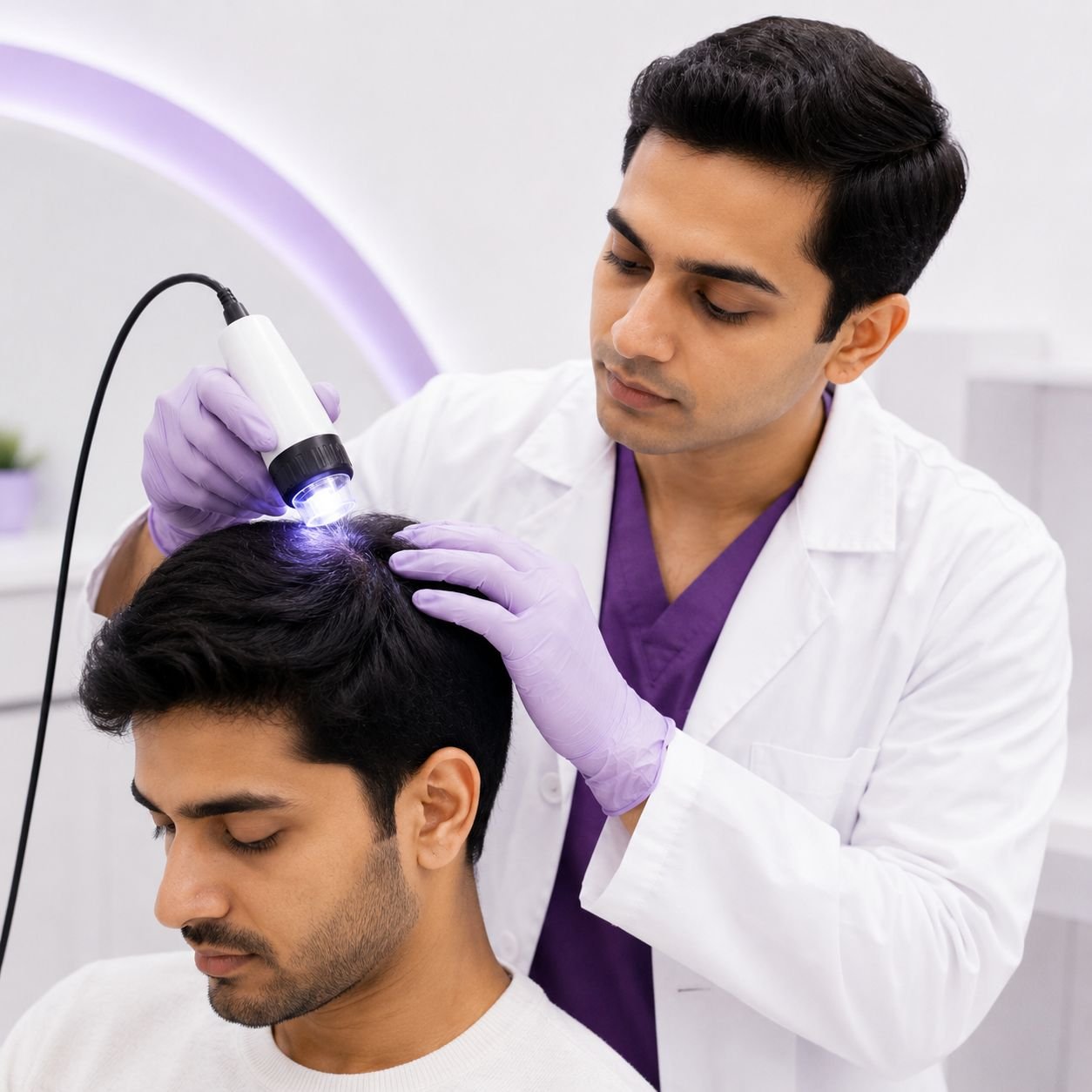
Phototherapy Treatment
Where suitable, phototherapy or UV-based scalp treatments may be used to stimulate hair follicles and support regrowth.
 06
06
UV Therapy
Treatment may include methods to encourage inactive follicles and support new hair growth.
 07
07
Hair Follicle Stimulation
Regular follow-ups help track progress and adjust the treatment plan when needed.
 08
08
Hair Regrowth Monitoring
Since alopecia areata can recur, ongoing care helps maintain scalp health and manage early signs of relapse.
09
Treatment for All Age Groups
Customized care is available for men, women, and children with alopecia areata.
10
Long-Term Care & Prevention
Ongoing support helps maintain scalp health and manage the chances of recurrence.
Specialist-Led Hair Care
Why Choose HairDoc for Hair Damage & Split Ends?
HairDoc combines specialist assessment, detailed hair and scalp analysis, and personalized care planning to reduce damage, strengthen fragile hair, and improve overall hair quality.

Experienced Hair Specialists
Our hair specialists assess hair damage, split ends, and related concerns to recommend the most appropriate care for healthier hair.
Comprehensive Hair Assessment
We evaluate your hair texture, level of damage, styling habits, chemical exposure, and scalp health to identify the underlying causes.
Accurate Hair & Scalp Analysis
Using advanced hair and scalp assessment techniques, we determine the extent of damage and recommend targeted solutions.
Personalized Hair Care Plans
Every hair care plan is customized based on your hair type, scalp condition, lifestyle, and the severity of hair damage.
How to Prevent Split Ends
Trim Hair Regularly
Regular trims remove damaged ends and prevent splits from spreading further up the hair shaft.
Avoid Harsh Chemical Treatments
Limit frequent colouring, bleaching, straightening, or perming to reduce damage to the hair shaft.
Use a Wide-Tooth Comb
A wide-tooth comb helps detangle hair gently and reduces unnecessary breakage.
Dry Hair Gently
Pat your hair dry with a soft towel instead of rubbing vigorously to prevent friction and split ends.
Avoid Over-Washing
Washing hair too often can strip away natural oils and increase dryness and brittleness.
Protect Hair from UV Exposure
Limit prolonged sun exposure or use protective measures to reduce environmental hair damage.
Stay Well Hydrated
Adequate hydration helps maintain healthy hair texture and moisture.
Correct Nutritional Deficiencies
Address deficiencies in vitamins or minerals if identified, as they may contribute to weak and damaged hair.
Get Adequate Sleep
Quality sleep supports overall health and healthy hair growth.
Manage Stress
Healthy stress-management habits can support overall hair health and reduce hair-related concerns.