
Expert Hair Loss Diagnosis & Personalised Treatment
Understanding Hair Loss
What Causes Hair Loss?
Genetic Causes
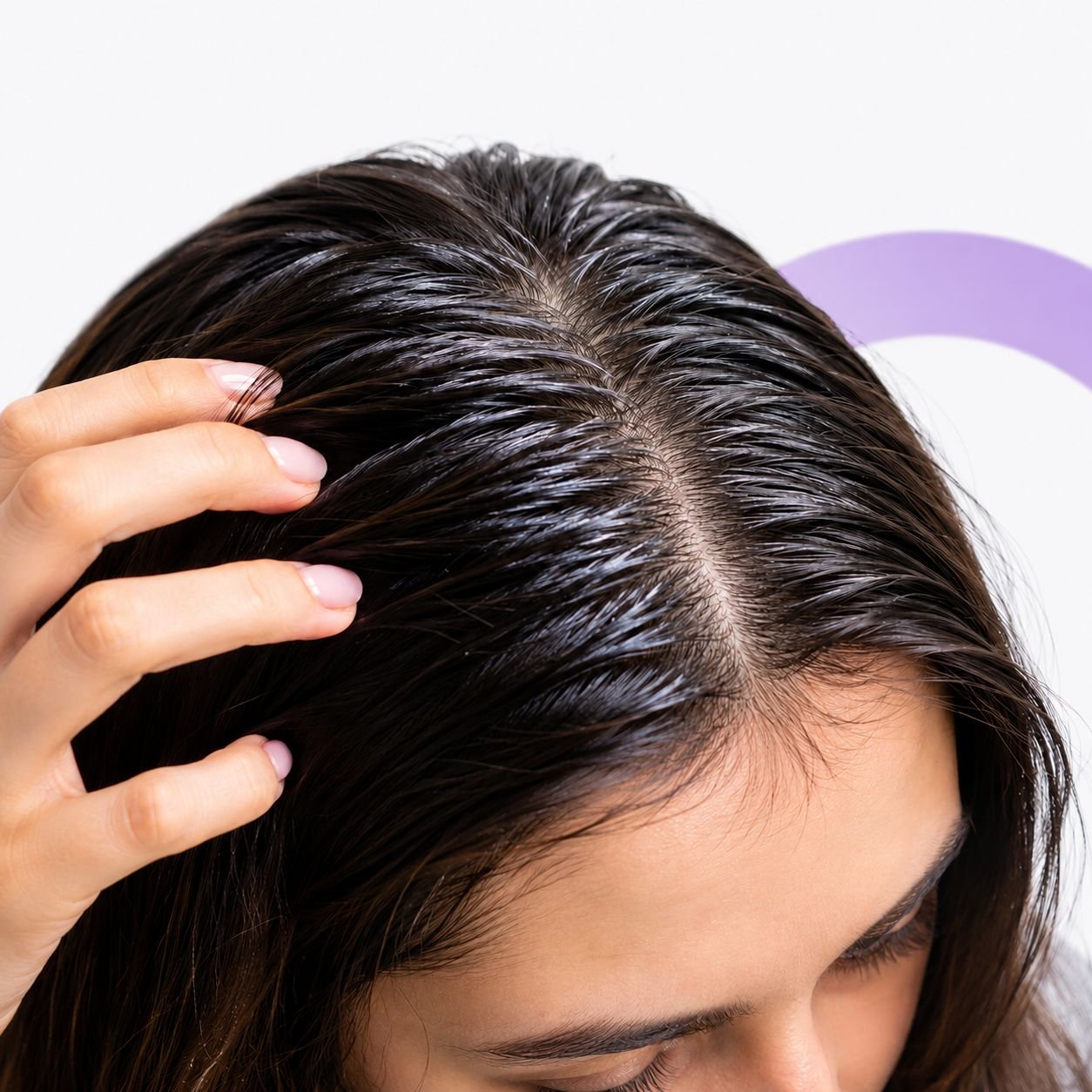
Genetic factors can make you more susceptible to hair loss, with hereditary conditions such as androgenetic alopecia being one of the most common causes.
Family History
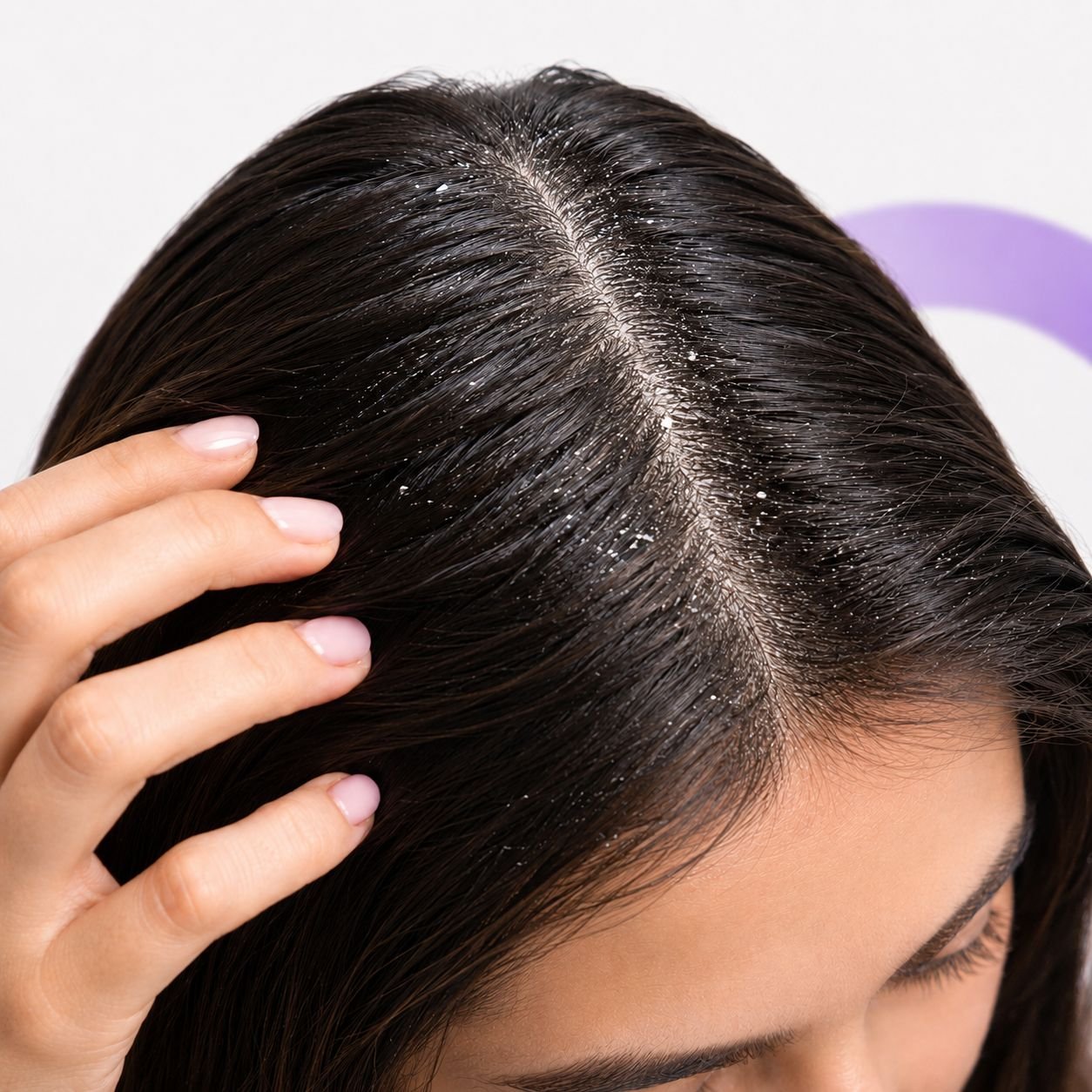
A family history of hair thinning or baldness significantly increases the likelihood of experiencing similar hair loss patterns over time.
Medical Causes
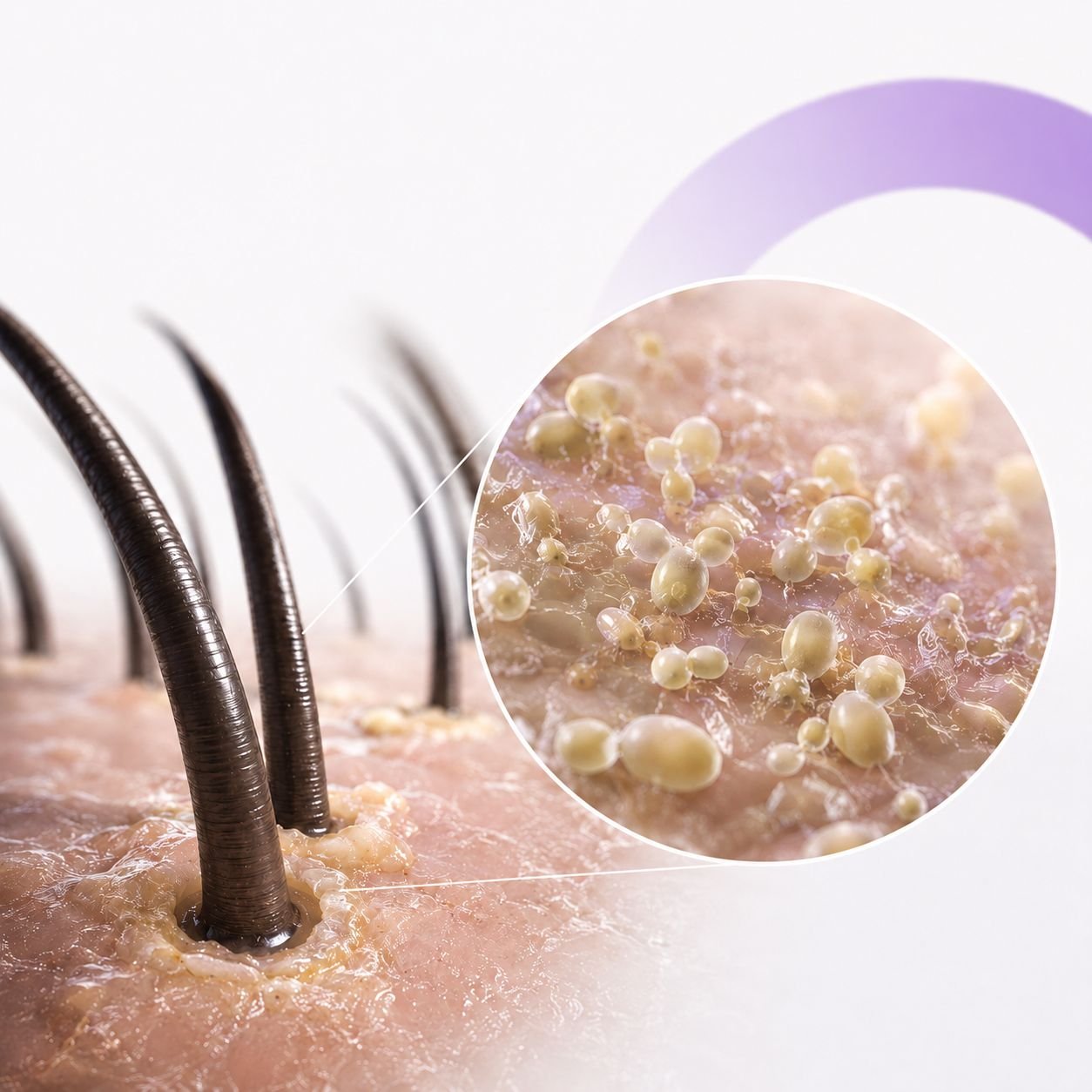
Underlying medical conditions, hormonal imbalances, nutritional deficiencies, and certain medications can contribute to excessive hair loss.
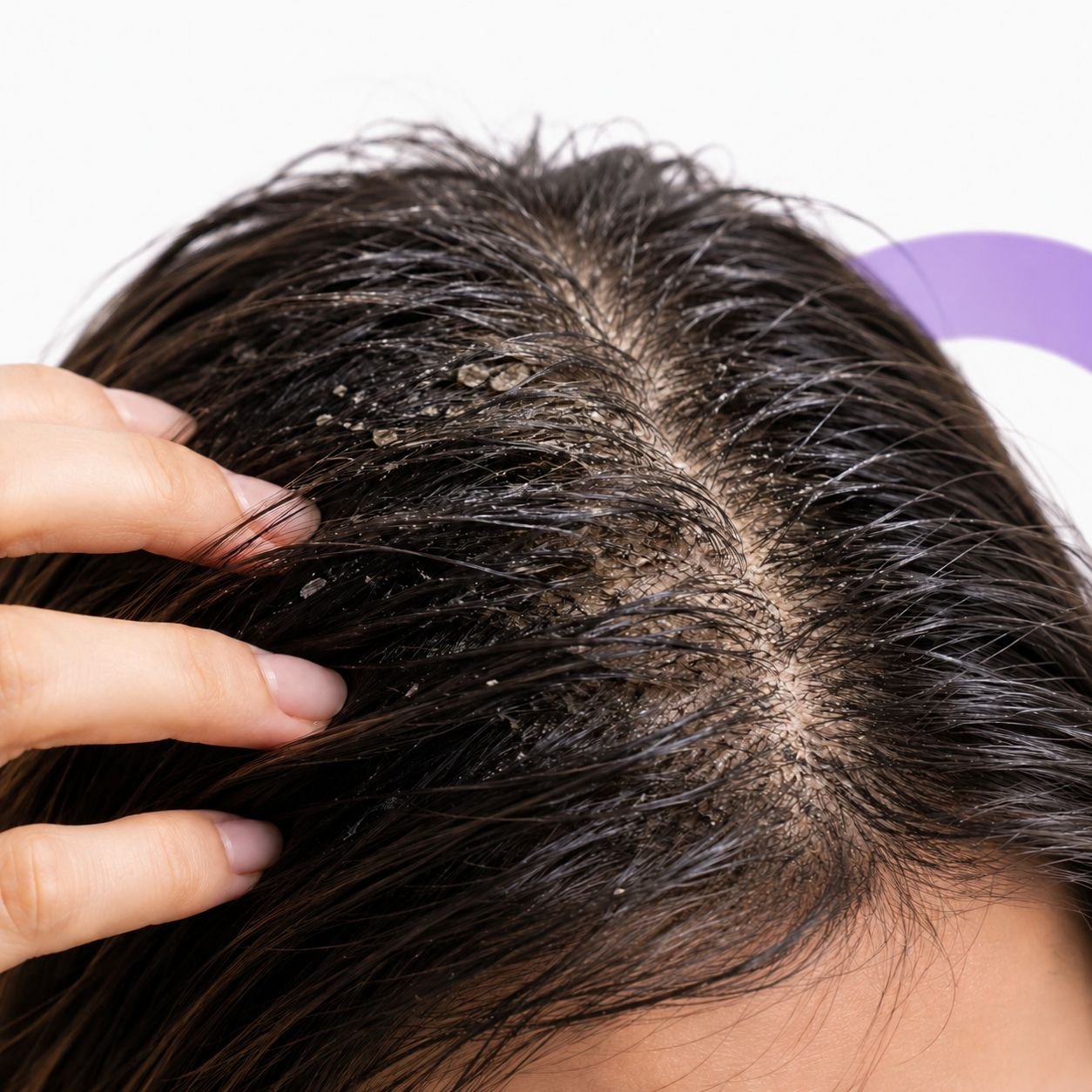
Lifestyle & Environmental Causes
Poor nutrition, stress, pollution, smoking, and unhealthy hair care practices can weaken hair follicles and accelerate hair thinning.
Our Treatment Approach
Our treatment approach includes:
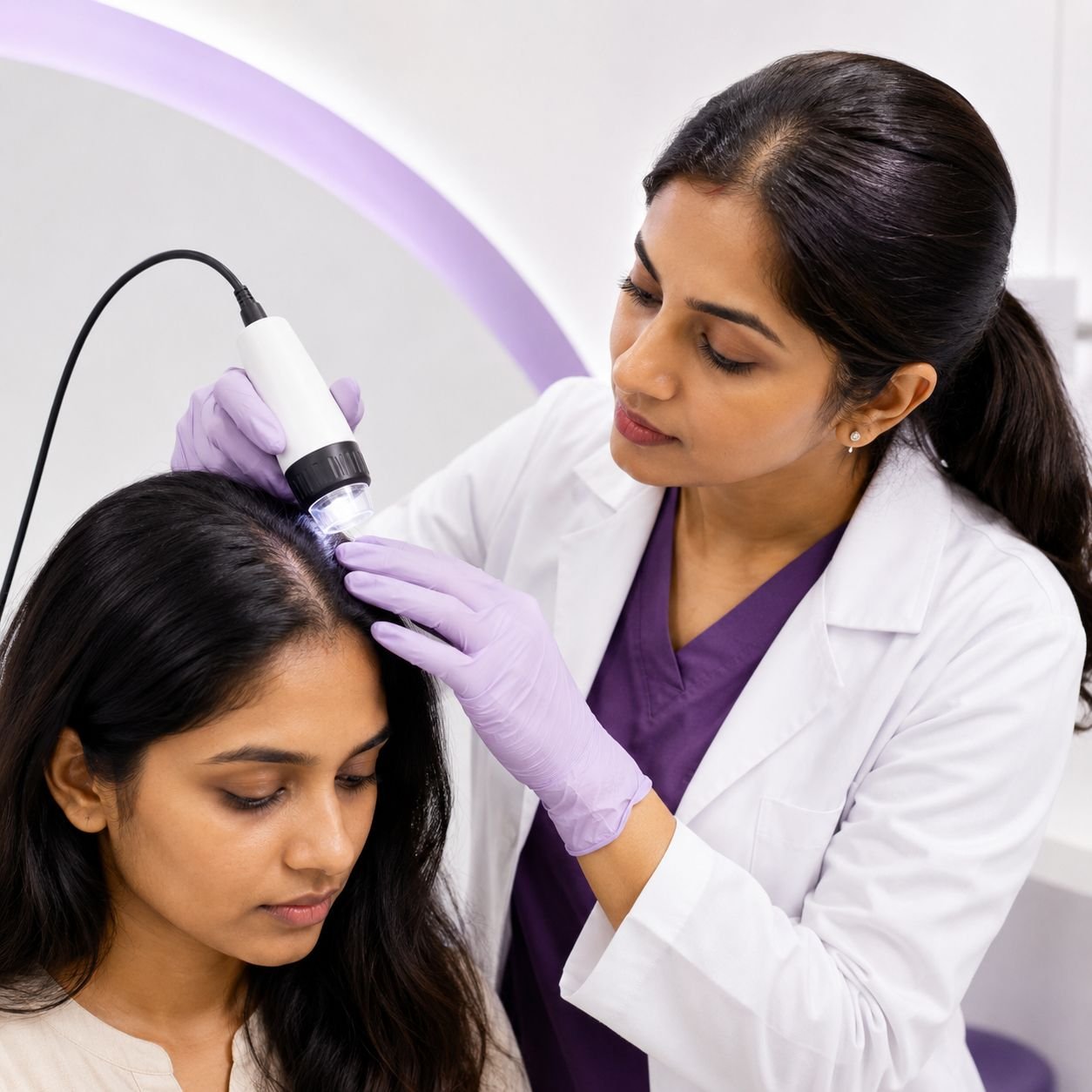
01
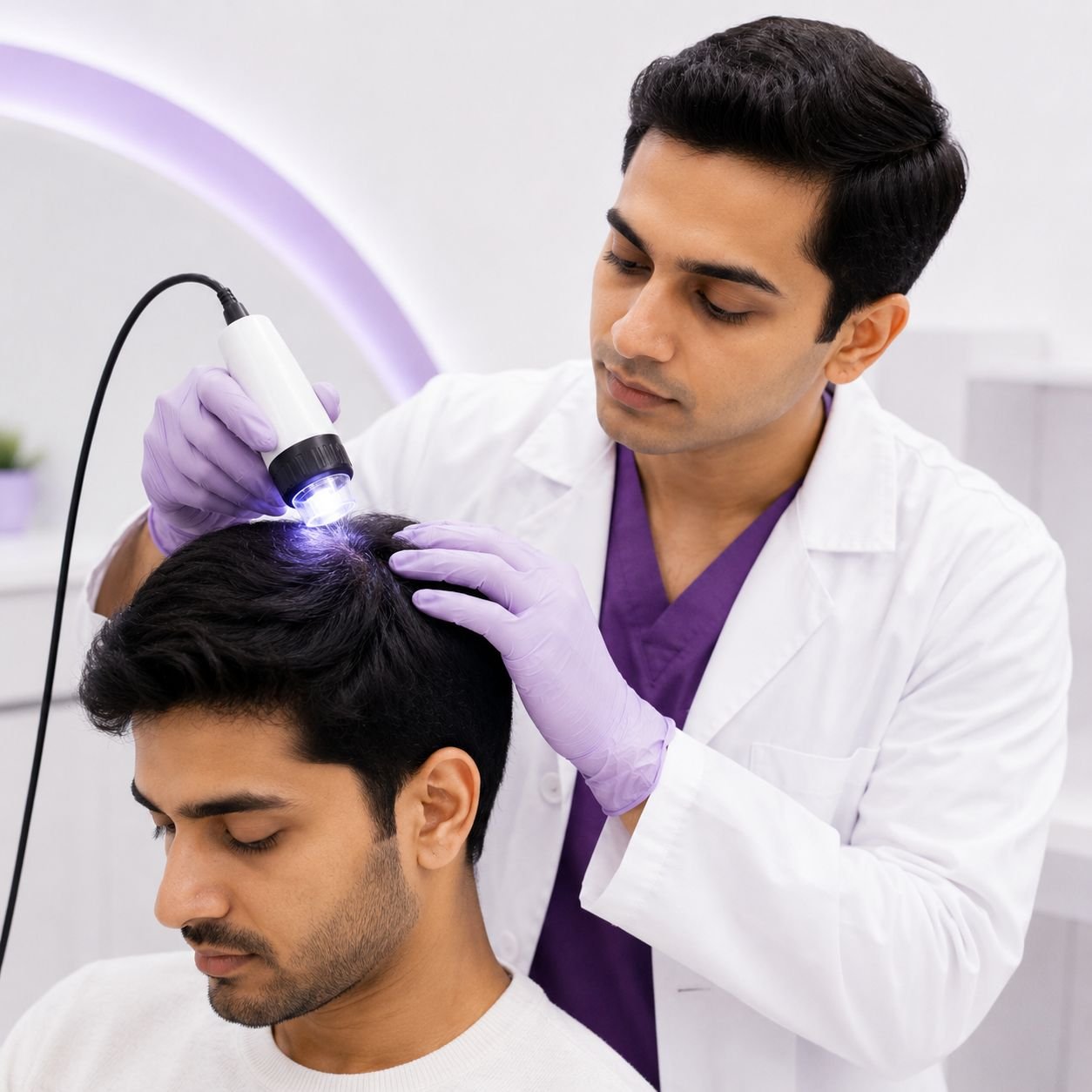
Detailed Hair & Scalp Assessment
Identifying the cause and severity of hair fall.

02
Internal Medicines
Personalized treatment to support hair growth from within.
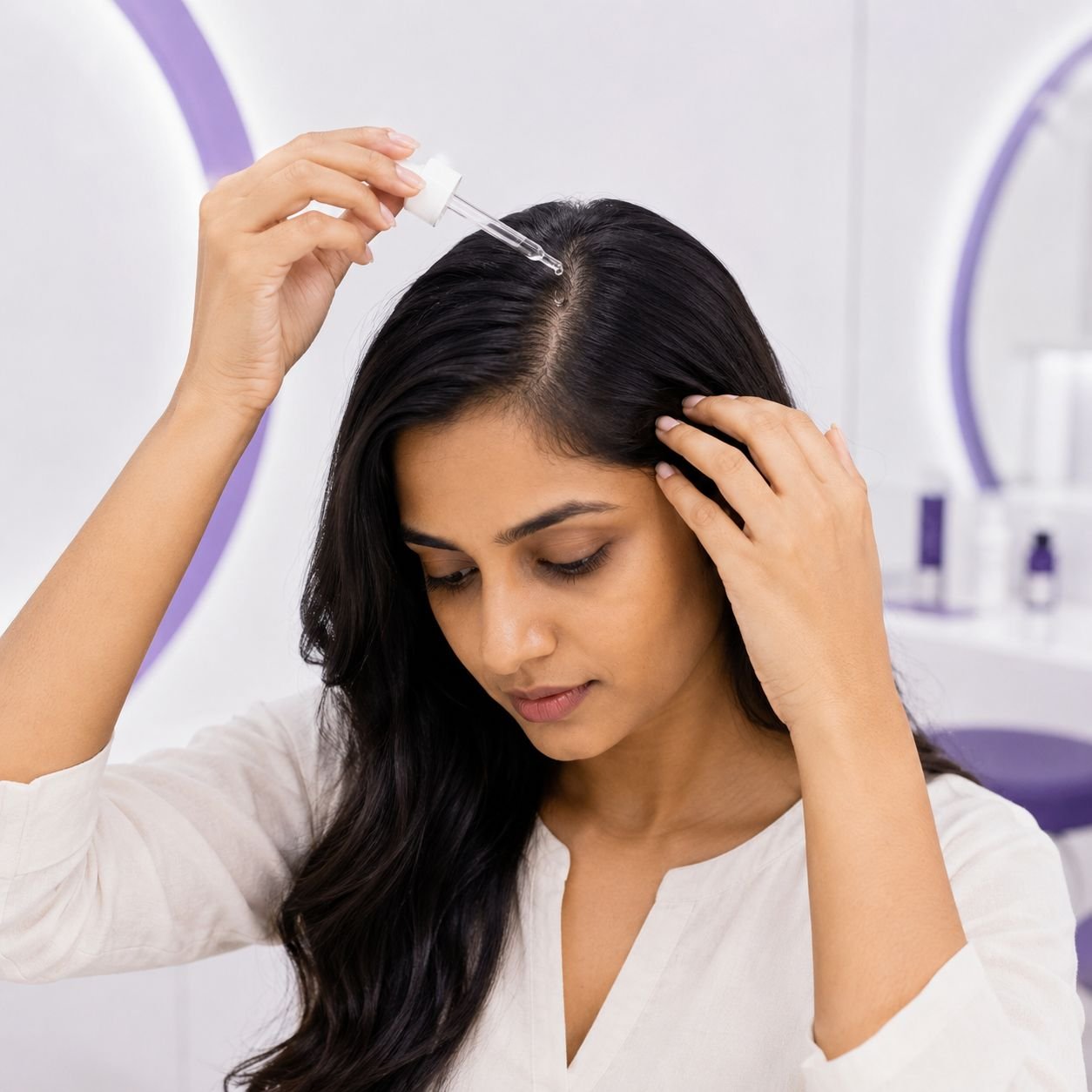
03
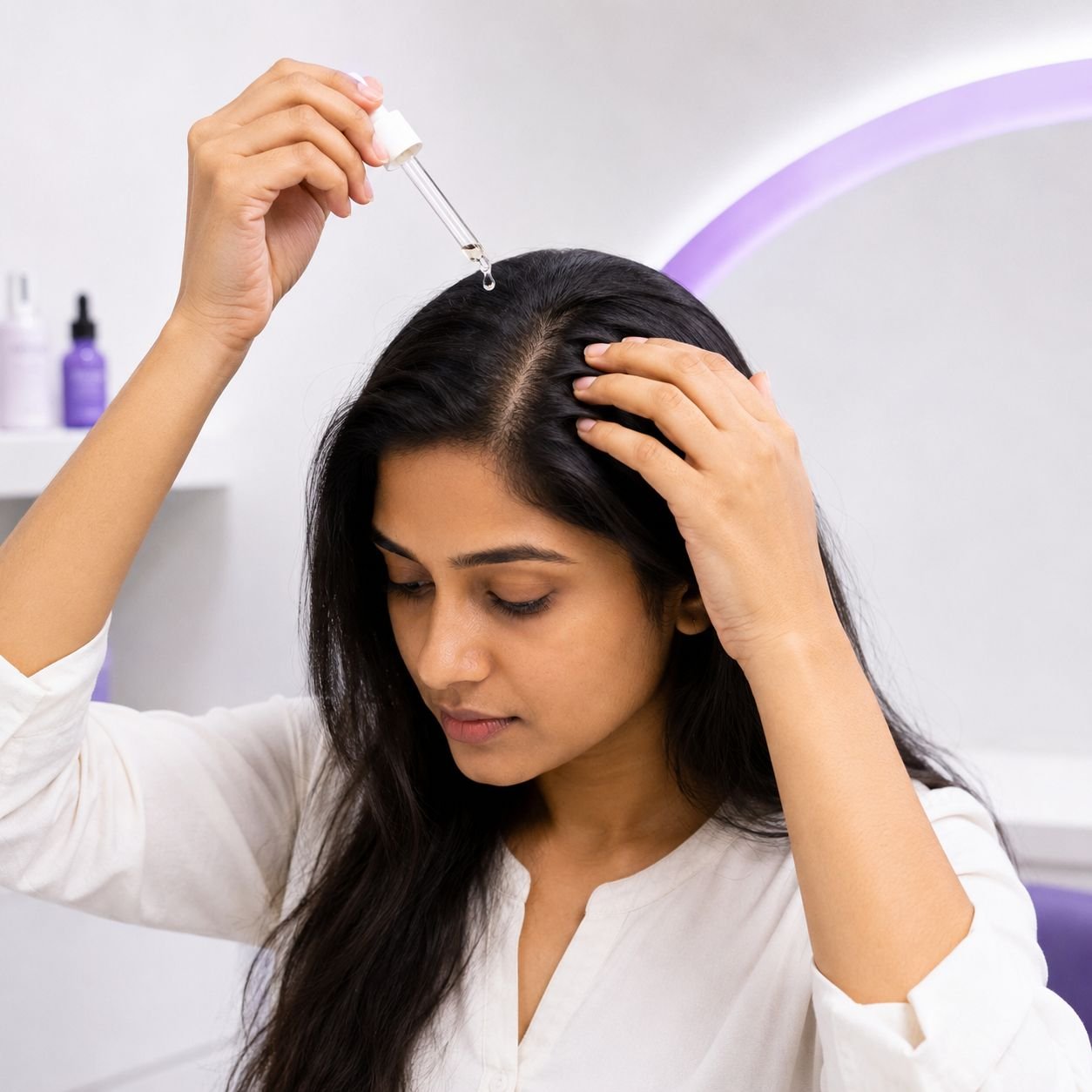
External Medicines
Specialized lotions and scalp applications to nourish hair follicles.
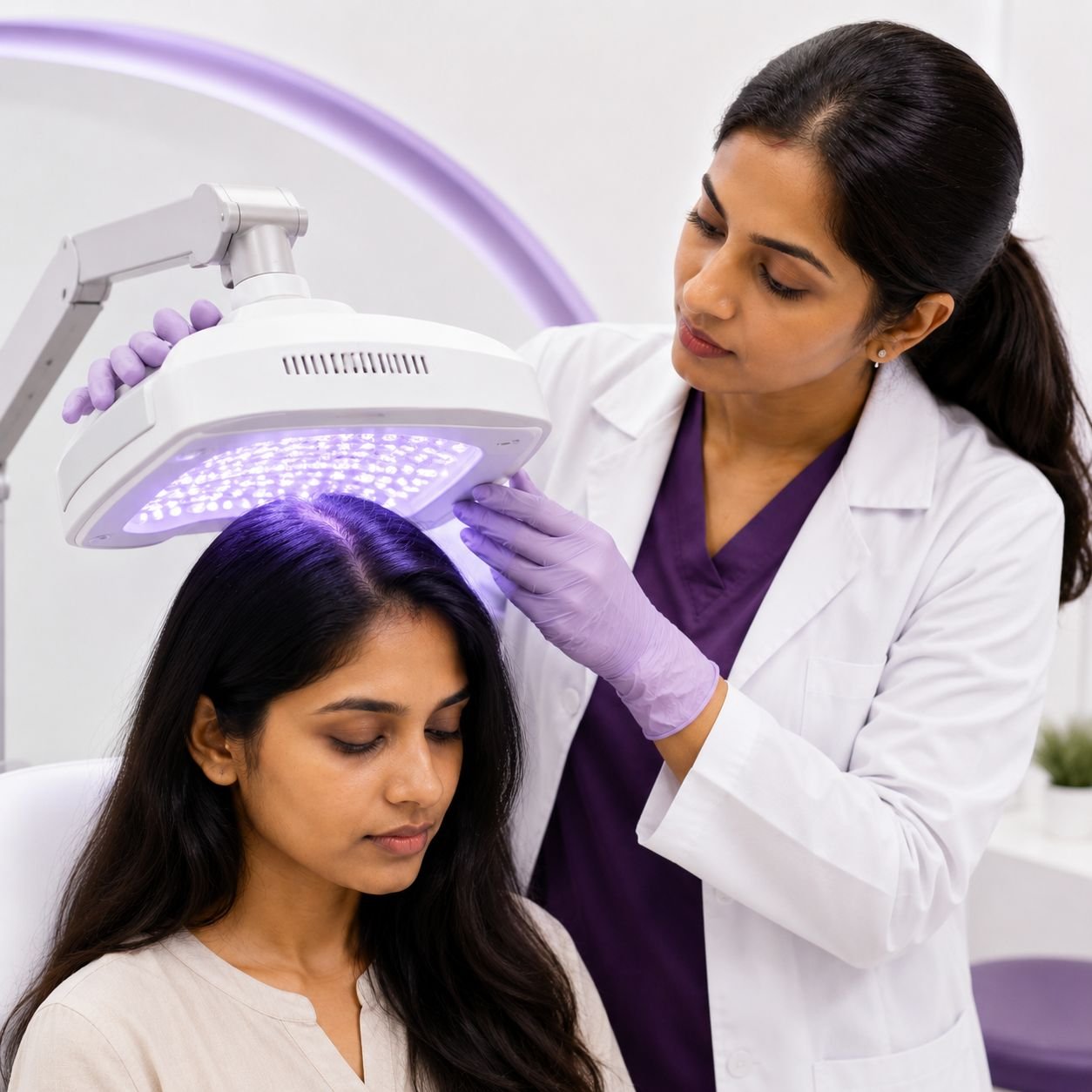
04
Photosynthesis Therapy
Helps stimulate weak hair roots and improve follicle activity.
05
UV Scalp Therapy
Supports scalp health and creates a healthier environment for hair growth.

06
Root Grow Treatment
Advanced Derma Roller therapy combined with growth-supportive solutions.

07
Hair Root Strengthening
Focus on improving follicle health and reducing ongoing hair shedding.
08
Hair Fall Control Phase
The first goal is to arrest excessive hair loss and stabilize the condition.
Why Choose HairDoc for Dandruff Treatment?
Experienced Hair Specialists
Our experienced hair specialists accurately diagnose the root cause of hair loss and recommend evidence-based treatments for the best possible results.
Personalized Scalp Evaluations
Every patient receives a comprehensive scalp evaluation to identify unique hair concerns and create a personalized treatment approach.
Advanced Diagnostic Tools
We use advanced diagnostic technologies, including trichoscopy and scalp analysis, to ensure precise hair loss diagnosis and treatment planning.
Customized Treatment Plans
Our customized hair treatment plans are tailored to your hair condition, scalp health, lifestyle, and long-term hair restoration goals.
Healthy Hair Care Habits
Simple daily hair care habits can help protect your hair, reduce breakage, and support better scalp health.
Gentle Hair Washing
Use a mild shampoo suitable for your scalp type and avoid aggressive rubbing.
Avoid Excessive Heat Styling
Frequent straightening, curling, or blow drying may weaken hair over time.
Minimize Harsh Chemical Treatments
Repeated coloring, bleaching, smoothing, or chemical treatments can damage hair shafts.
Avoid Tight Hairstyles
Tight ponytails, buns, braids, or extensions can pull on the roots and lead to traction hair loss.
Maintain Scalp Hygiene
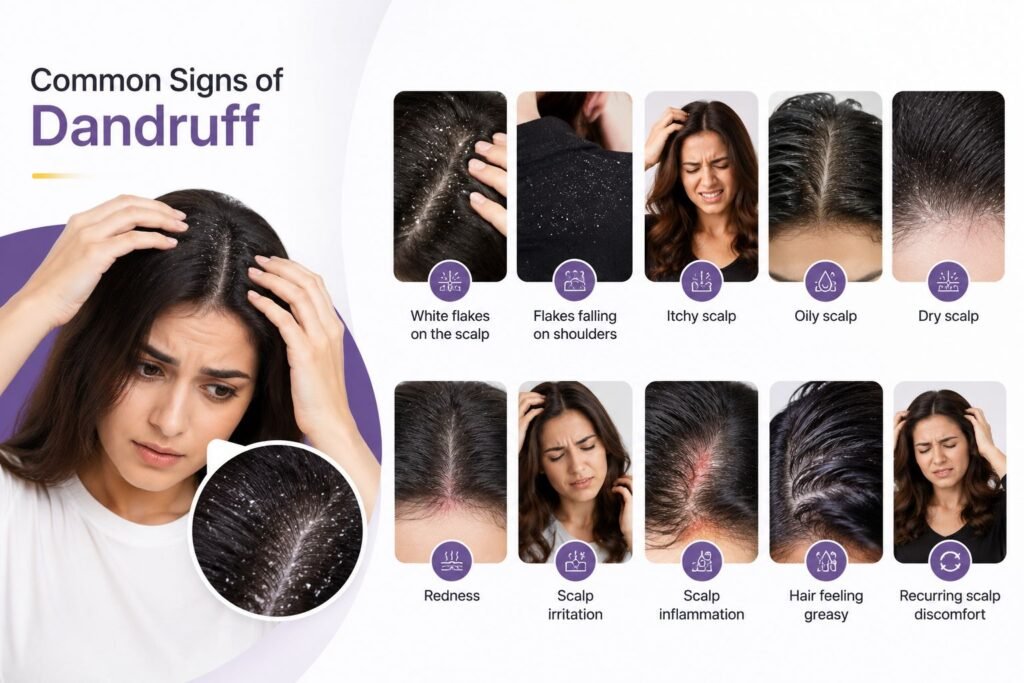
A clean scalp supports better scalp health. If you have recurring dandruff, oily scalp, itchy scalp, or flaky scalp, consult a specialist for proper anti-dandruff treatment.
Frequently Asked Questions
Common questions about hair loss, causes, treatment, regrowth, and when to consult a hair specialist.
01 What causes hair loss?
Hair loss can be caused by genetics, stress, hormonal changes, thyroid problems, nutritional deficiencies, scalp infections, autoimmune conditions, medications, or lifestyle factors.
02 How much hair loss is normal?
Losing around 50 to 100 hairs a day is usually normal. If you notice sudden shedding, visible thinning, bald patches, or hair fall that continues for weeks, it is better to consult a hair specialist.
03 Can hair loss be reversed?
Some types of hair loss can improve with the right treatment, especially when diagnosed early. However, reversibility depends on the cause, stage, and condition of the hair follicles.
04 Does stress cause hair loss?
Yes, stress can trigger hair shedding in some people, especially in conditions like telogen effluvium. Managing stress along with medical care may help support recovery.
05 Can vitamin deficiencies lead to hair loss?
Yes. Deficiencies in iron, ferritin, Vitamin D, Vitamin B12, protein, and other nutrients may contribute to hair fall. Blood tests may be advised if deficiency is suspected.
06 How long does hair regrowth take?
Hair regrowth takes time. Some patients may notice changes within a few months, while others may need longer. Results vary based on diagnosis, treatment plan, and consistency.
07 Does hair oil stop hair loss?
Hair oil may help with dryness or scalp massage, but it cannot treat all causes of hair loss. If hair fall is due to genetics, hormones, deficiencies, or scalp disease, medical treatment may be needed.
08 Can women experience hair loss?
Yes. Women can experience hair thinning, widening parting, postpartum hair loss, hormonal hair loss, nutritional hair fall, and female pattern hair loss.
09 When should I consult a hair specialist?
You should consult a hair specialist if hair fall is sudden, excessive, patchy, long-lasting, or causing visible thinning. Early assessment can help prevent further progression in some cases.
10 Can hair loss return after treatment?
Hair loss may return if the underlying cause continues or if maintenance care is stopped. Long-term monitoring is important, especially in genetic hair loss.