
Hair Doc

Expert Care for Grey Hair & Premature Greying

Grey hair is a natural part of ageing. But when greying starts early, appears suddenly, or increases faster than expected, it may need proper attention. Premature greying can happen due to genetics, nutritional deficiencies, stress, lifestyle habits, medical conditions, or reduced pigment production in the hair.
35+ Years of Expertise Trusted hair & scalp care
50,000+ Cases Treated Result-focused treatment plans
Advanced Tricho-Scanners Detailed scalp analysis
Non-Surgical Hair Care Gentle, clinic-led solutions

Understanding Grey Hair

Hair gets its natural colour from a pigment called melanin. This pigment is produced by special cells known as melanocytes, which are present in the hair follicle. As we age, melanin production gradually reduces. When the hair follicle produces less melanin, the hair starts turning grey, silver, or white.
Grey hair can be part of natural ageing. But in some people, greying begins earlier than expected. This is known as premature grey hair. Premature greying may be linked to family history, stress, smoking, vitamin deficiencies, thyroid problems, oxidative stress, or other health-related factors. Many people ask if grey hair can regain its natural colour. In most age-related or genetic cases, complete reversal is uncommon. However, if premature greying is linked to a correctable deficiency or medical issue, treating the underlying cause may help support better hair health.

What Causes Grey Hair?
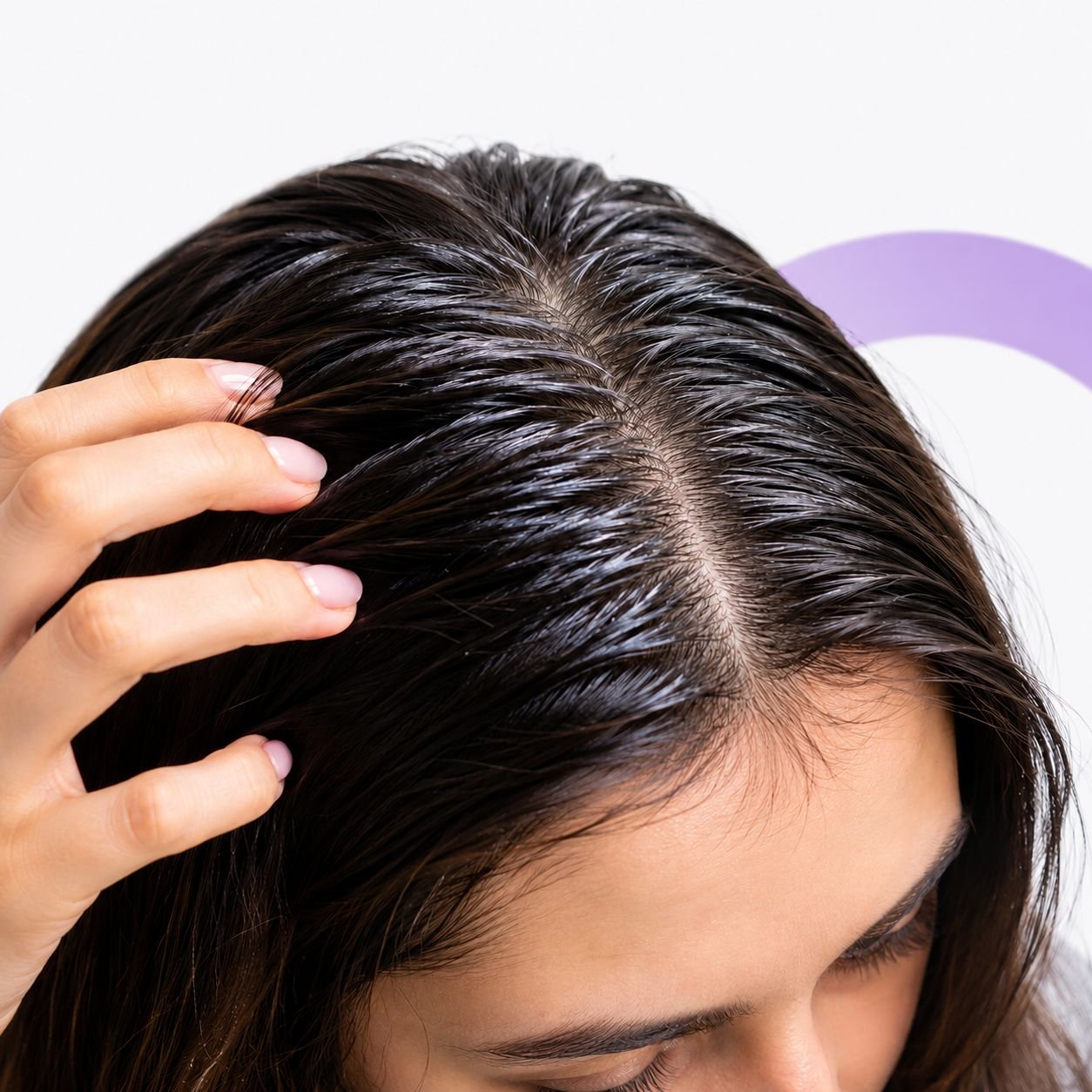
Natural ageing causing grey hair

Natural Ageing

With age, melanin production reduces. This is one of the most common reasons for grey hair.
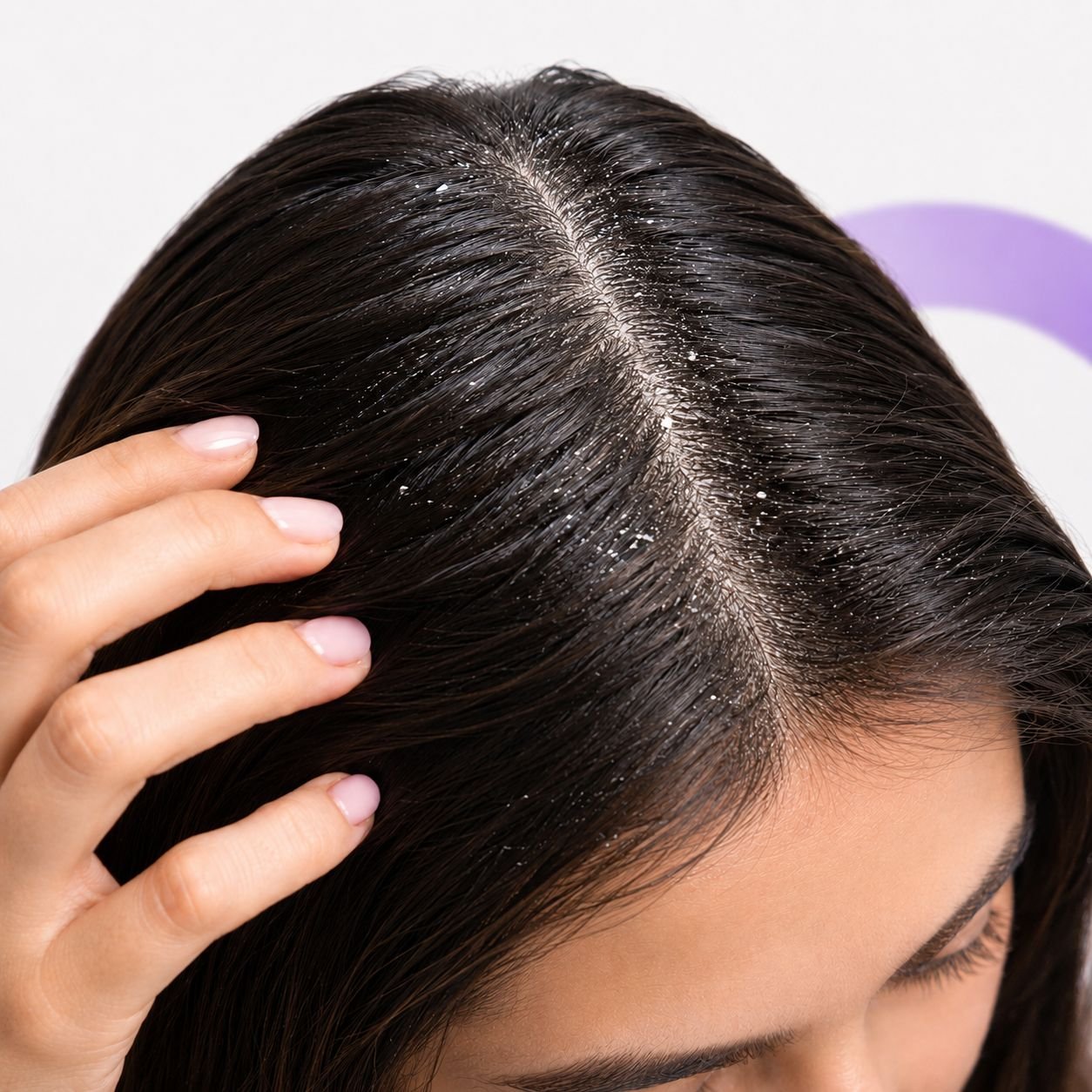
Genetics causing premature grey hair

Genetics

If your parents or close family members had early grey hair, you may also develop premature greying.
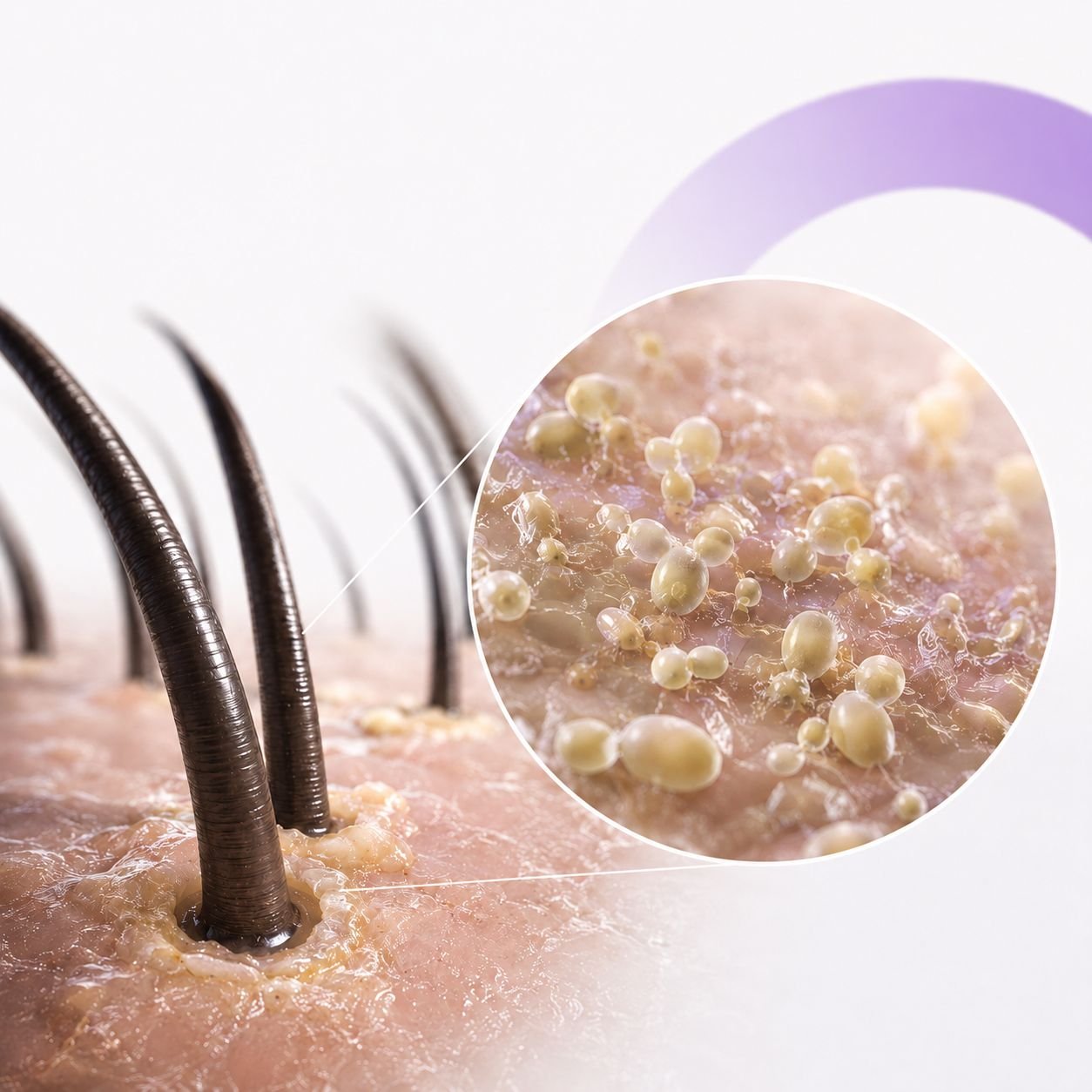
Reduced melanin production causing grey hair

Reduced Melanin Production

When melanocytes slow down or stop producing pigment, hair gradually loses its natural colour.

Oxidative stress contributing to grey hair

Oxidative Stress

Oxidative stress can affect hair follicle health and may contribute to early greying in some people.

Lifestyle factors affecting hair health and greying

Lifestyle Factors

Poor diet, lack of sleep, high stress, smoking, and exposure to pollution may affect overall hair health.

Medical and nutritional causes of premature grey hair

Medical & Nutritional Causes

Premature greying may sometimes be associated with vitamin B12, iron, copper, or folate deficiencies, thyroid disorders, and certain autoimmune conditions, where clinically relevant.

Grey Hair Treatment at HairDoc

Our Treatment Approach
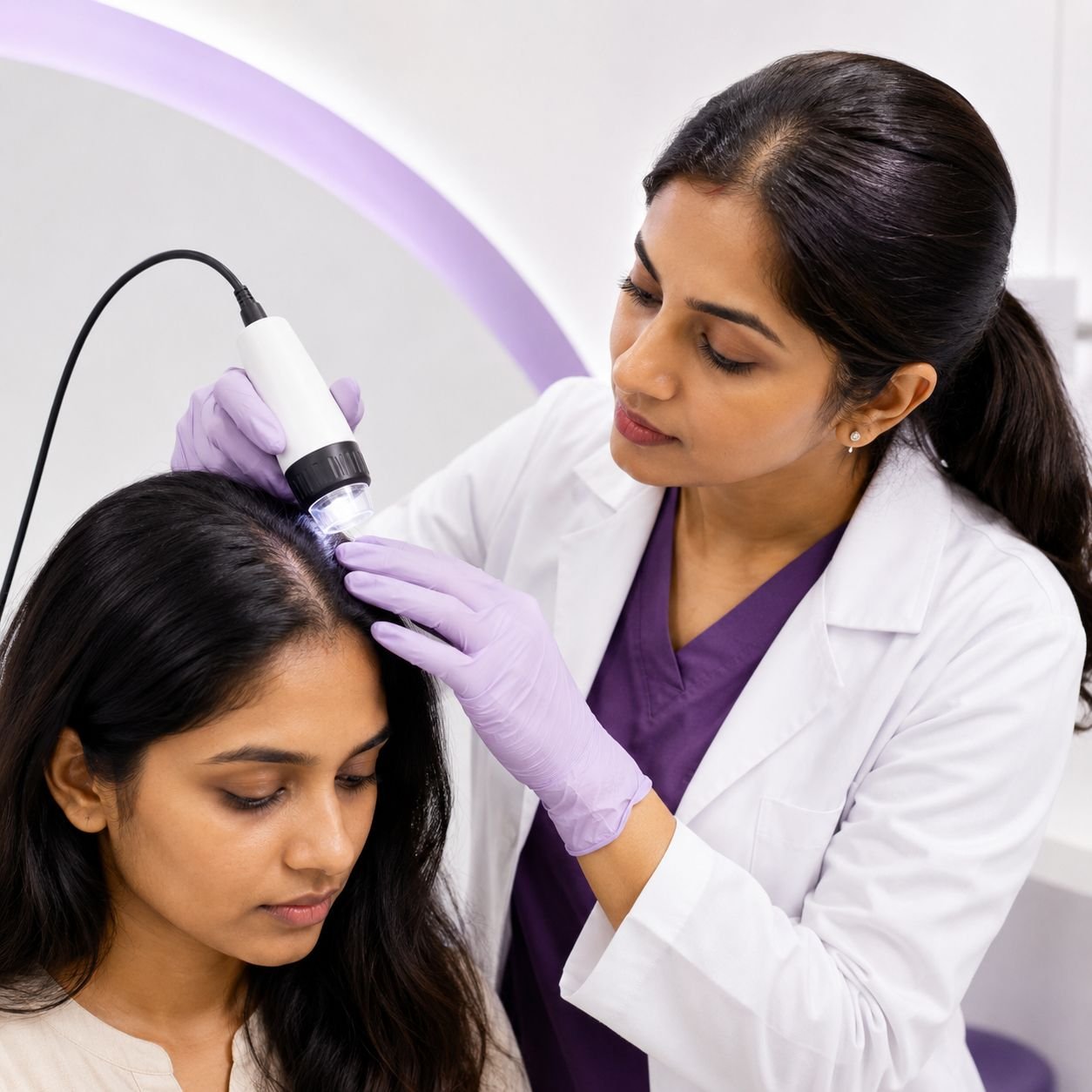
Detailed assessment for grey hair treatment 01

Detailed Assessment

We evaluate your age, hair condition, family history, lifestyle, and possible causes of greying.

Classification of grey hair concern 02

Classification of Grey Hair

We identify whether the concern is related to premature greying or natural age-related greying.

Root cause analysis for grey hair 03

Root Cause Analysis

Our specialists assess possible factors such as melanin deficiency, genetic tendency, nutritional deficiencies, vitamin imbalance, stress, and lifestyle habits.
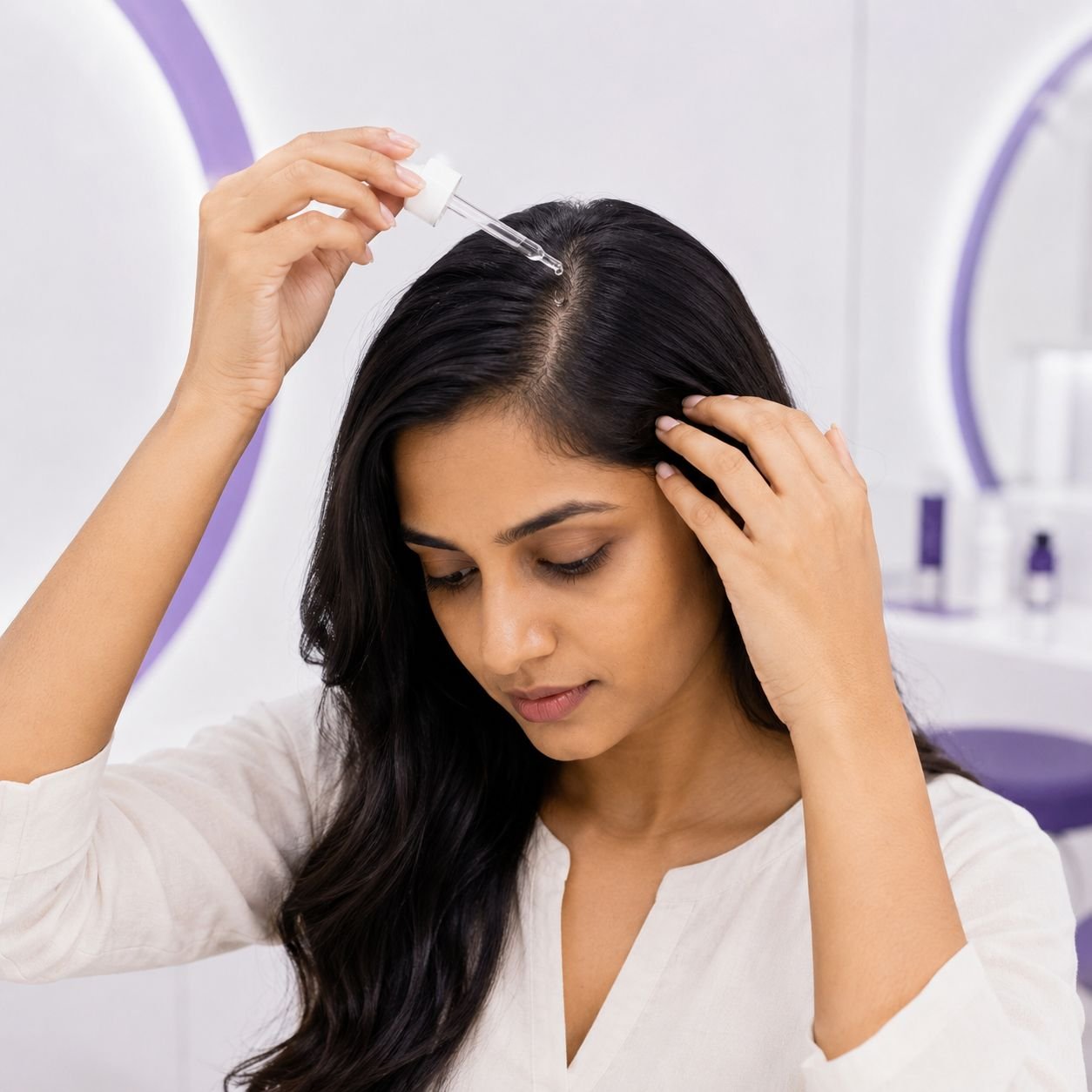
Internal medicines for grey hair treatment 04

Internal Medicines

Customized medicines may be recommended to support hair pigmentation, root health, and overall hair wellness.
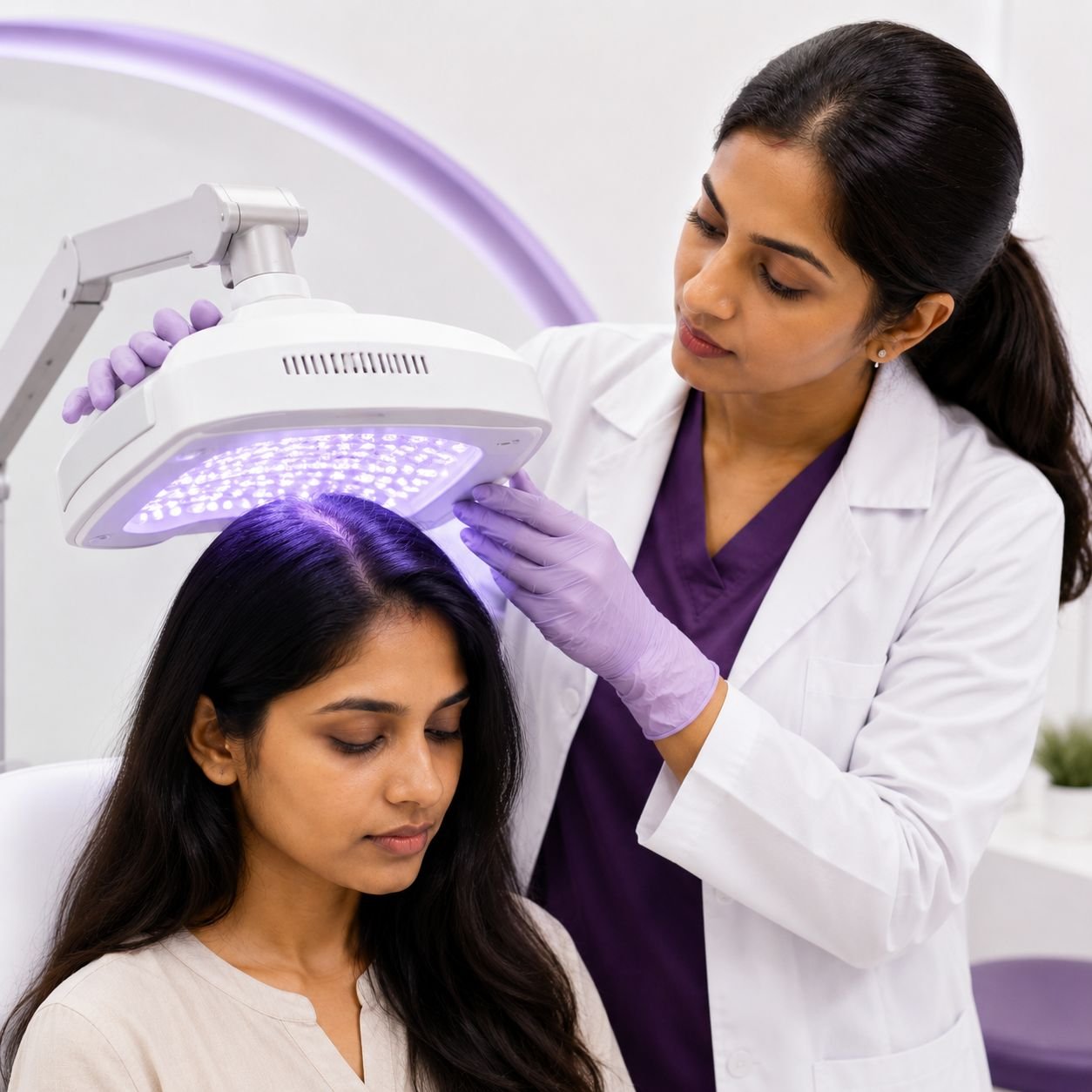
External medicines for grey hair treatment 05

External Medicines

Specialized scalp applications may be advised to nourish the scalp and support healthy hair follicles.
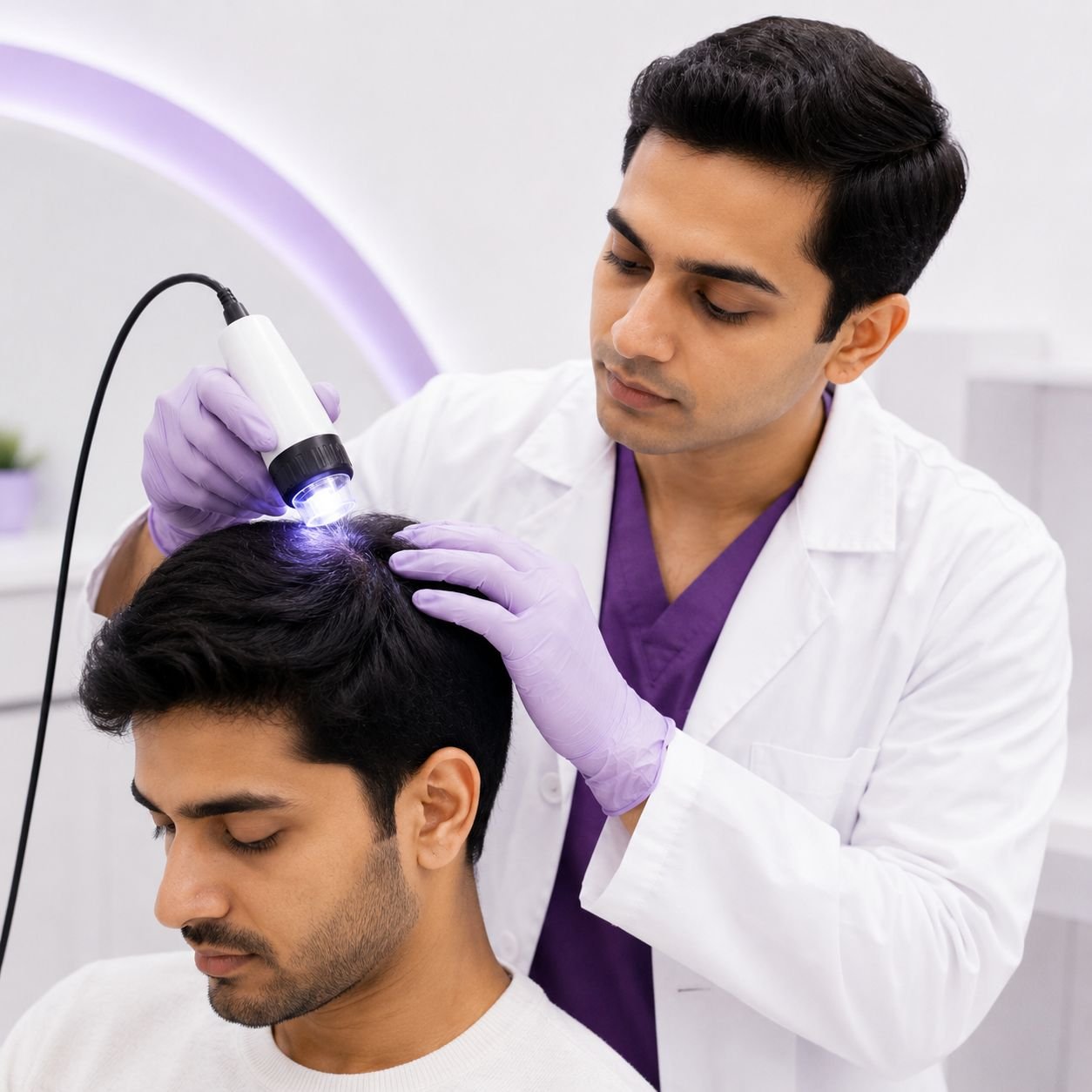
Photosynthesis therapy for scalp stimulation 06

Photosynthesis Therapy

Photosynthesis therapy helps stimulate the scalp and supports better follicle activity and scalp health.

Root grow treatment for grey hair care 07

Root Grow Treatment

Derma Roller-based Root Grow Treatment may be used to support follicle nourishment and improve hair vitality.
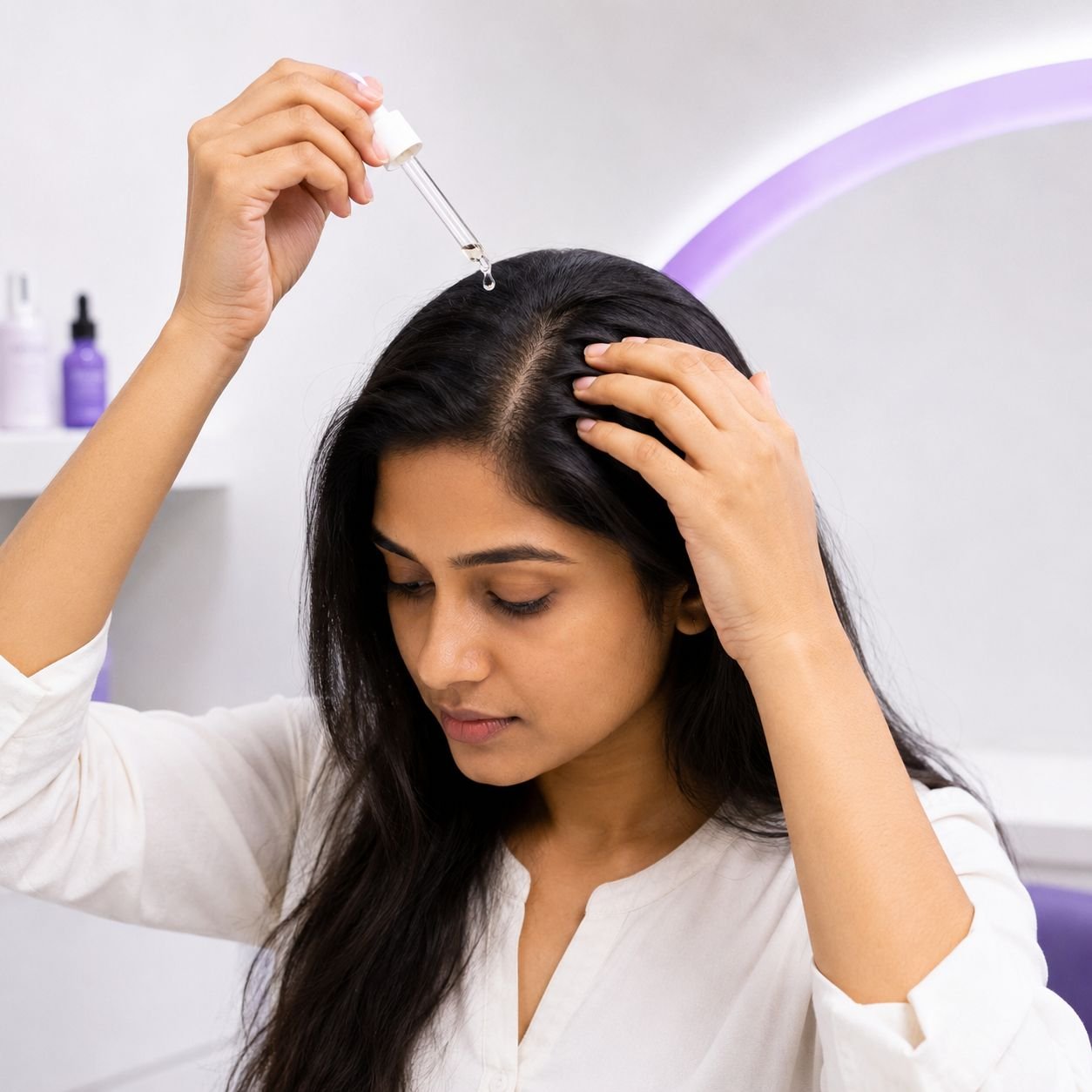
Hair root strengthening for grey hair care 08

Hair Root Strengthening

The treatment plan focuses on maintaining healthy hair roots, improving follicle strength, and supporting better hair quality.

Prevention of further greying 09

Prevention of Further Greying

Where appropriate, treatment is aimed at managing progressive greying and supporting healthy hair pigmentation.

Long-term hair care for grey hair treatment 10

Long-Term Hair Care

Regular follow-ups and personalized hair care guidance help maintain scalp health and long-term hair wellness.

Why Choose HairDoc?

01

Experienced Hair Specialists

Our hair specialists evaluate premature greying to identify possible nutritional, medical, lifestyle, or genetic factors affecting your hair.

02

Personalized Hair & Scalp Assessments

A detailed assessment of your hair, scalp, medical history, and lifestyle helps us understand the underlying cause of premature greying.

03

Comprehensive Diagnostic Approach

We use a thorough diagnostic process to evaluate factors such as nutrition, hormonal balance, scalp health, and overall hair condition.

04

Focus on Identifying Underlying Causes

Rather than offering a one-size-fits-all solution, we focus on identifying and addressing the root causes of premature greying.

05

Evidence-Based Management Plans

Our management plans are based on clinical evaluation and tailored to your individual hair concerns and overall health.

06

Long-Term Hair Wellness Guidance

We provide ongoing guidance to help maintain healthy hair and support long-term hair wellness through practical care and lifestyle recommendations.

07

Support for Associated Hair & Scalp Concerns

Along with premature greying, we also evaluate and manage related concerns such as hair fall, dry hair, brittle hair, dandruff, and scalp health.

Can Grey Hair Be Prevented?

Grey hair cannot always be prevented, especially when it is related to natural ageing or genetics. However, healthy nutrition, scalp care, and lifestyle habits may help support overall hair health and manage premature greying.

01

Eat a Balanced Diet

A nutritious diet provides the essential vitamins and minerals needed to support healthy hair pigmentation.

02

Maintain Adequate Vitamin & Mineral Intake

Ensure sufficient intake of vitamin B12, iron, copper, folate, and other nutrients that play a role in hair health.

03

Avoid Smoking

Smoking may contribute to premature greying by increasing oxidative stress and damaging hair follicles.

04

Protect Hair from UV Exposure

Limit excessive sun exposure to help protect hair from environmental damage.

05

Use Gentle Hair Care Products

Choose mild shampoos and hair care products that help maintain healthy hair and scalp.

06

Manage Stress

Adopting healthy stress-management habits may help support overall hair and scalp health.

07

Avoid Excessive Chemical Treatments

Limit frequent coloring, bleaching, straightening, or other chemical treatments that may weaken the hair.

08

Reduce Heat Styling

Minimize the use of blow dryers, straighteners, and curling irons to protect hair from unnecessary damage.

09

Use Hair Colour Responsibly

Avoid frequent use of harsh hair dyes or bleaching without professional guidance.

10

Stay Well Hydrated

Proper hydration supports overall scalp and hair health.

Frequently Asked Questions

Common questions about grey hair, premature greying, causes, prevention, nutrition, and hair colouring.

01 Can grey hair turn black again?

In most age-related or genetic cases, grey hair may not naturally turn black again. If greying is linked to a correctable deficiency or medical issue, treatment may help support healthier hair, but results vary.

02 Is premature greying hereditary?

Yes, family history is one of the most common factors. If your parents or close relatives had early grey hair, you may also be more likely to experience premature greying.

03 Does stress cause grey hair?

Stress may contribute to oxidative stress and overall hair health changes. It may not be the only cause, but chronic stress can be one of the factors linked with premature greying.

04 Is grey hair permanent?

Age-related and genetic grey hair is usually long-term. In some cases where greying is related to nutritional deficiency or medical conditions, addressing the cause may help improve hair health. Reversal is not guaranteed.

05 Can grey hair be prevented?

Natural greying due to ageing cannot be prevented. However, a healthy diet, avoiding smoking, managing stress, protecting hair from damage, and correcting deficiencies may help reduce the risk of premature greying.

06 What foods help maintain healthy hair?

Foods rich in Vitamin B12, iron, copper, folate, protein, and antioxidants support healthy hair. Include eggs, dairy, legumes, nuts, seeds, leafy vegetables, fruits, and protein-rich foods as part of a balanced diet.

07 Does smoking increase grey hair?

Smoking may contribute to oxidative stress and poor hair health. It is considered one of the lifestyle factors that may increase the risk of premature greying.

08 Can thyroid disorders cause grey hair?

Thyroid disorders may affect hair health and, in some cases, may be associated with premature greying or hair texture changes. A thyroid test may be recommended if clinically needed.

09 Is hair colouring safe for grey hair?

Hair colouring can be safe when done properly, but frequent chemical colouring, bleaching, or harsh products may damage hair. If you have dry hair, brittle hair, scalp irritation, or dandruff, consult a specialist before using strong chemical treatments.

10 At what age is greying considered premature?

Greying may be considered premature when it starts much earlier than expected, especially during the teenage years, 20s, or early 30s. This can vary based on ethnicity, genetics, and family history.