
Expert Care for Dandruff & Scalp Health
Understanding Dandruff
What Causes Dandruff?
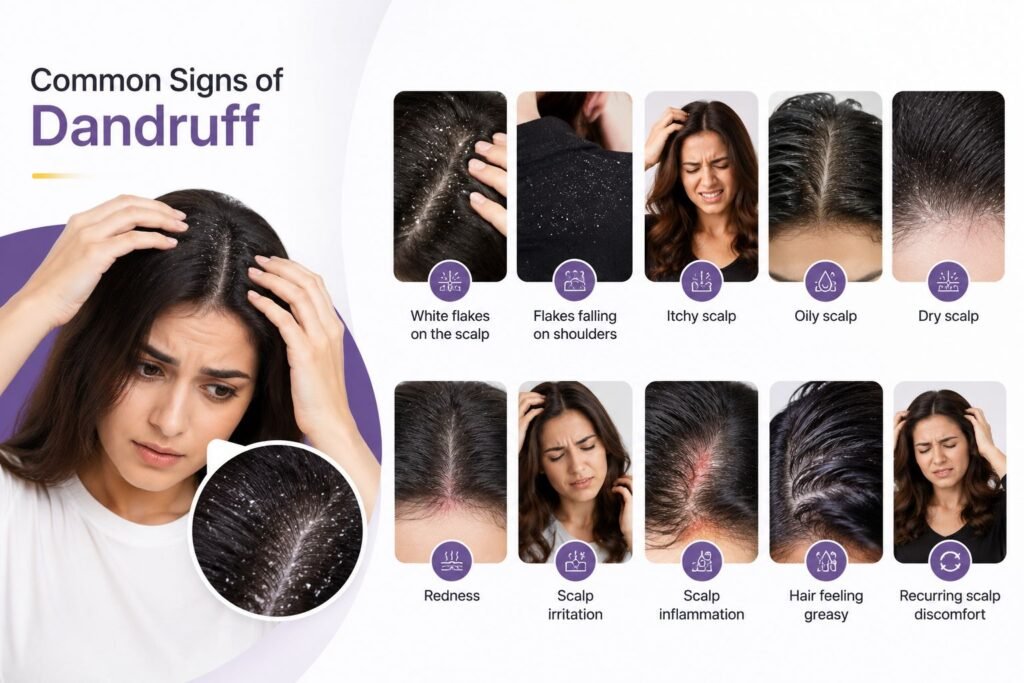
Dandruff can come from oil imbalance, dryness, product buildup, scalp sensitivity, or an underlying inflammatory scalp condition.
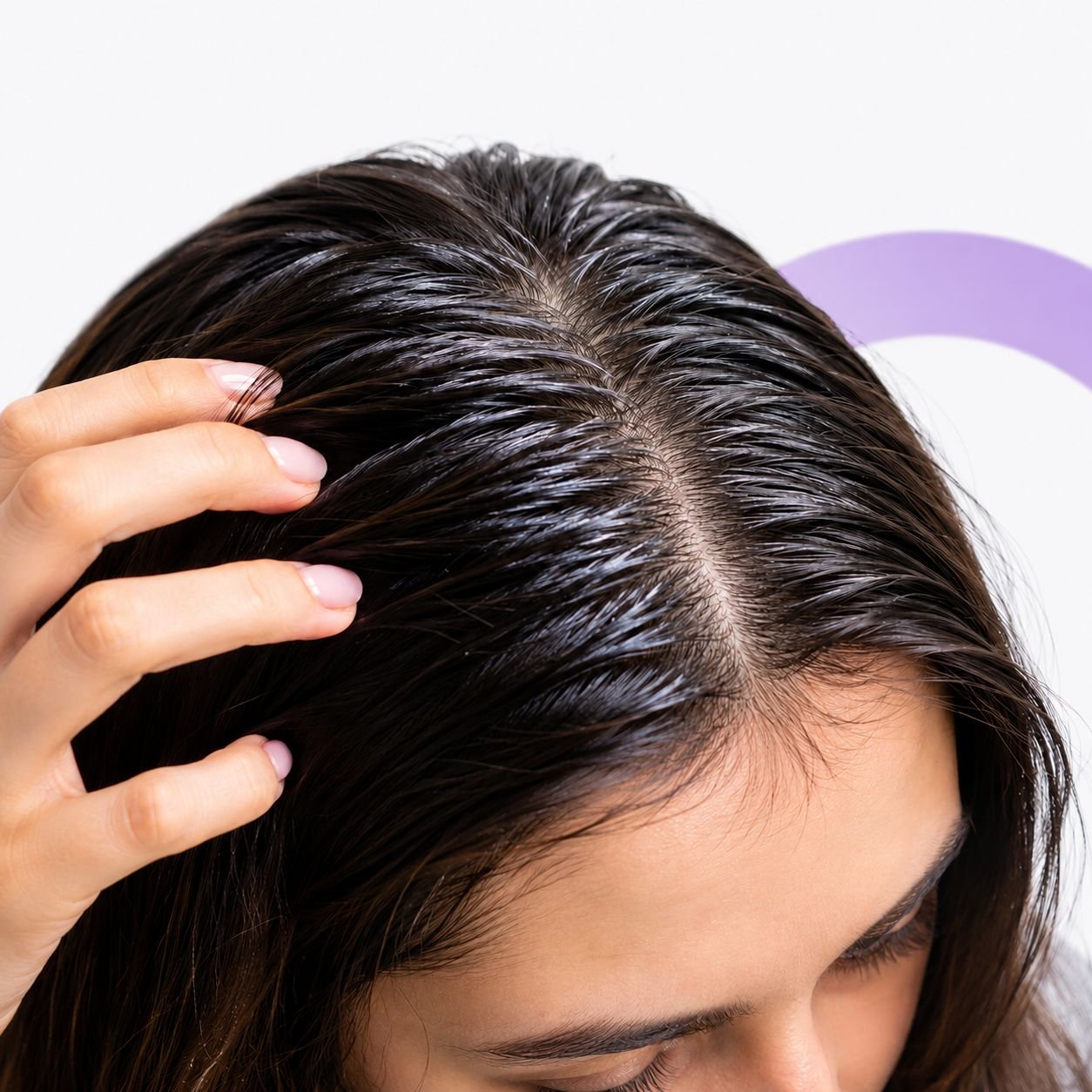
Excess Scalp Oil
Too much oil on the scalp can create a greasy environment where flakes become sticky and dandruff keeps returning.
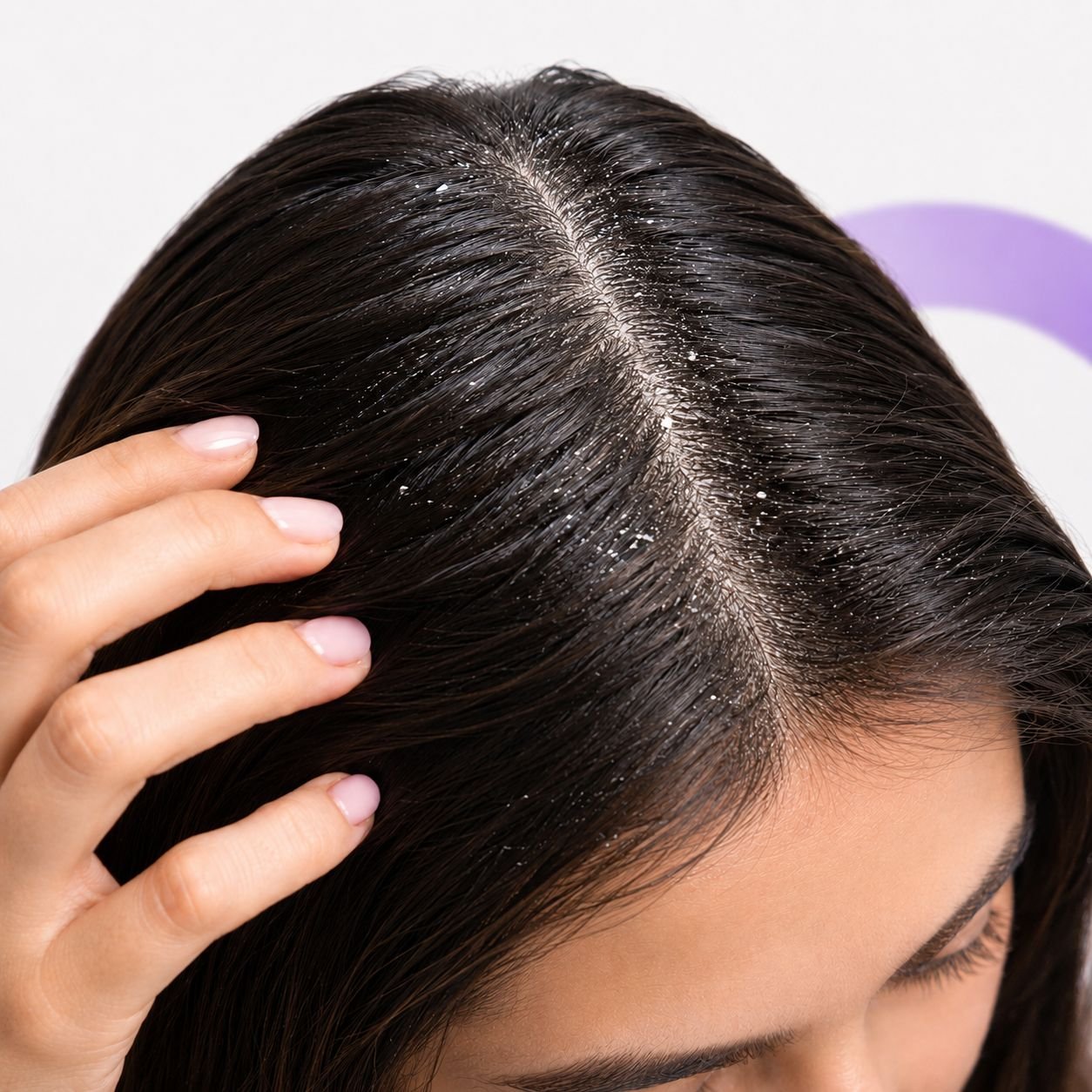
Dry Scalp
Dryness can cause small white flakes, tightness, and mild itching. This is common during winter or after using harsh hair products.
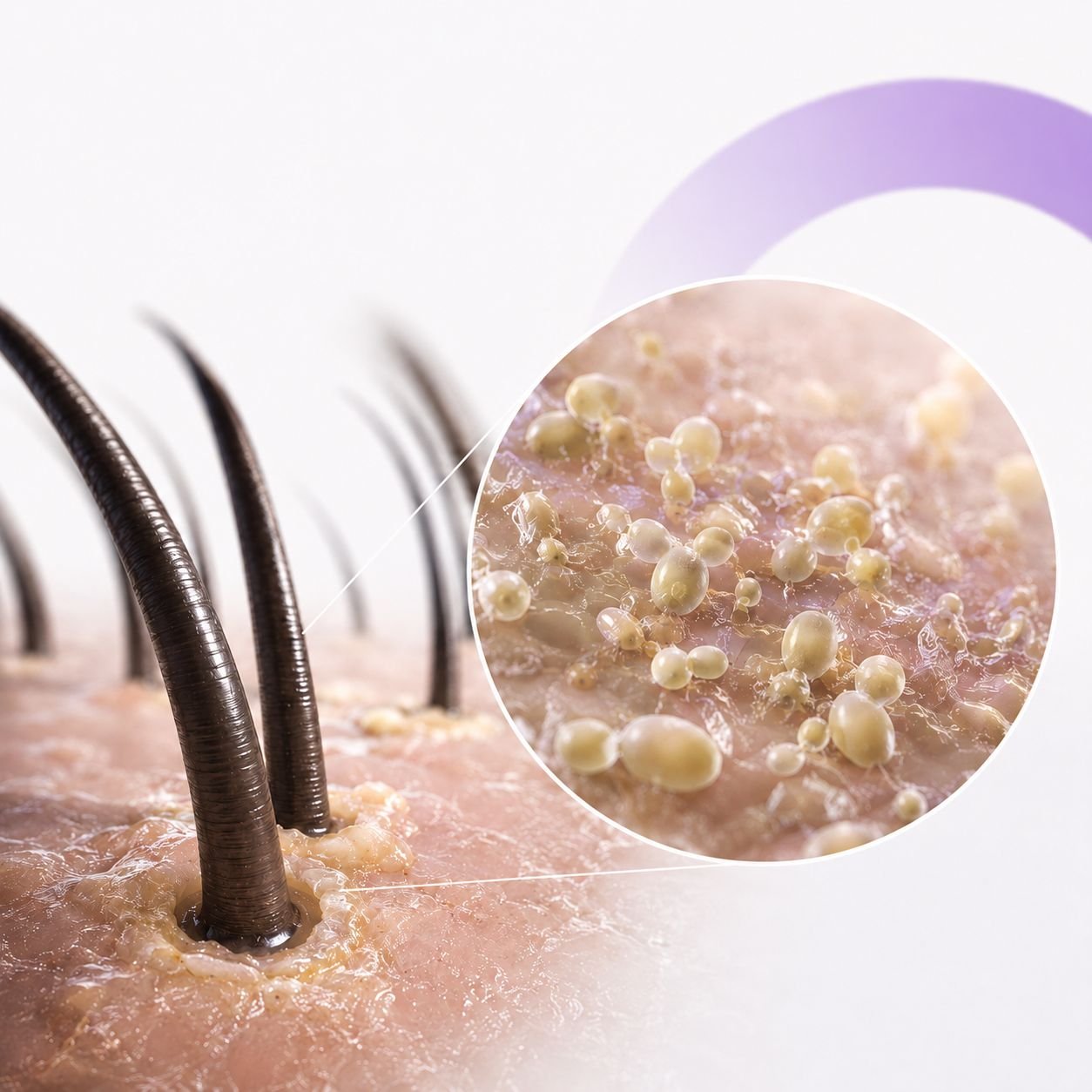
Overgrowth of Malassezia Yeast
Malassezia is a yeast naturally present on the scalp. In some people, it can grow more than usual and lead to itching, flakes, and inflammation.
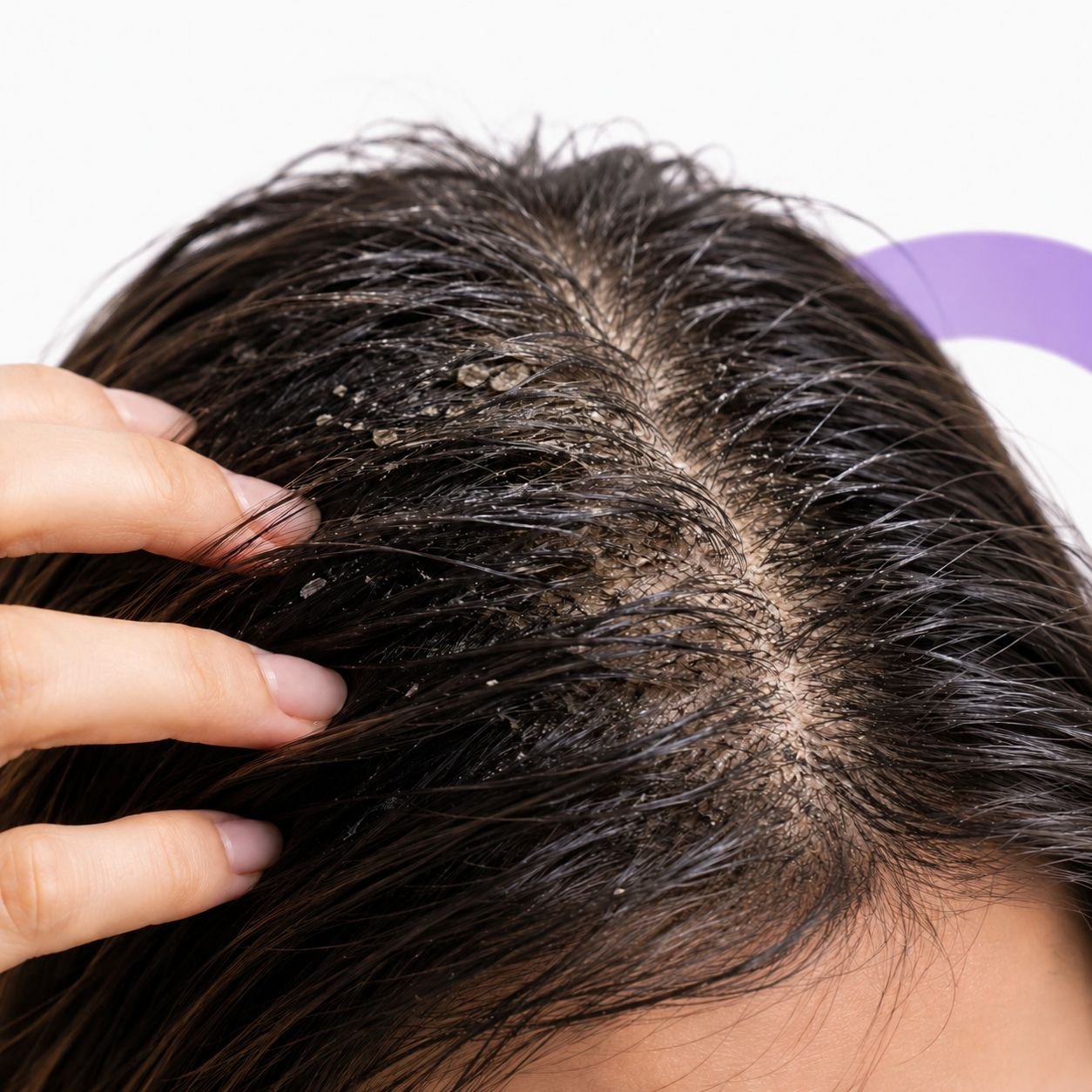
Poor Scalp Hygiene
Not washing the scalp properly can lead to oil, sweat, and dead skin buildup, which may worsen dandruff.
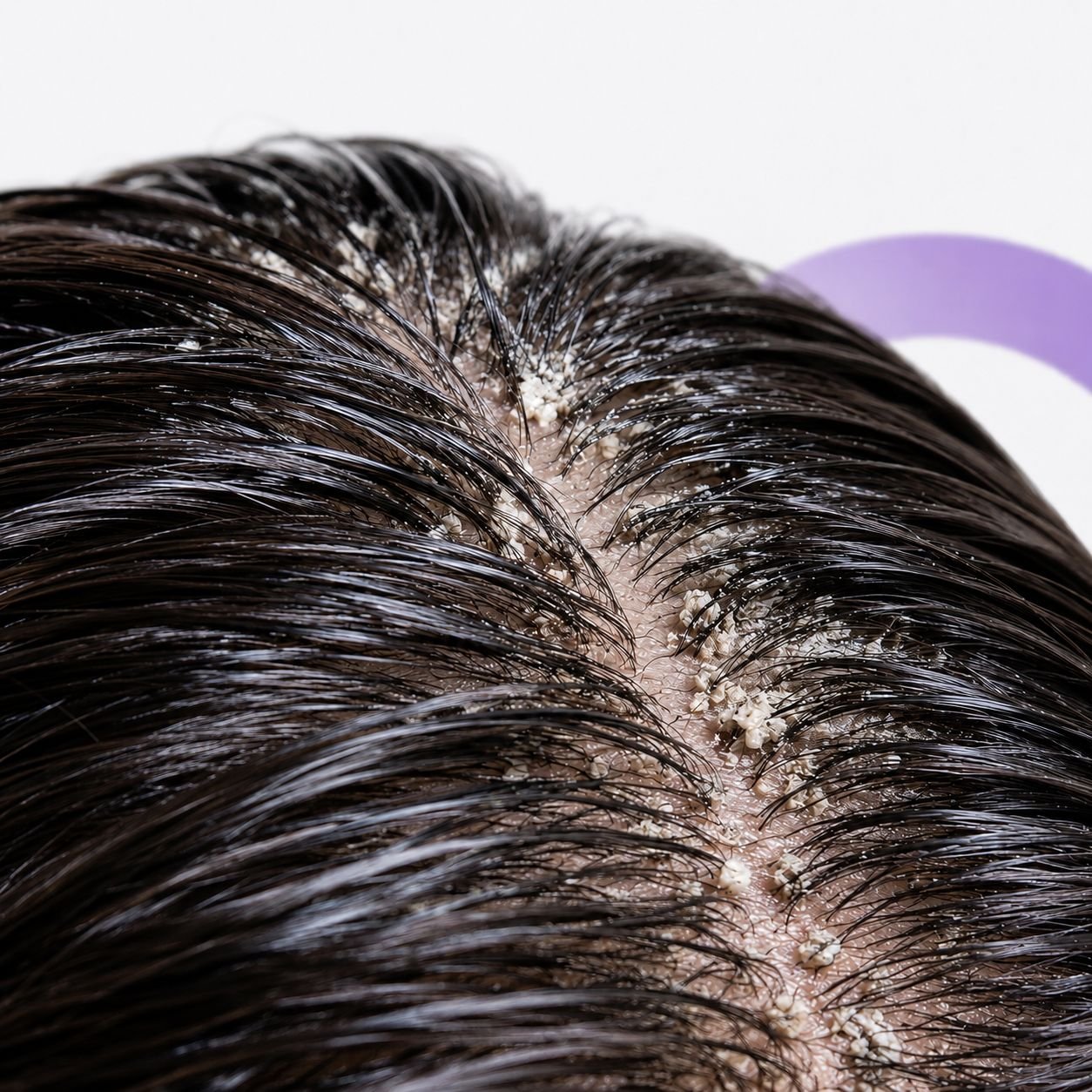
Product Buildup
Hair gels, sprays, oils, serums, and heavy conditioners can collect on the scalp and trigger irritation or flaking.
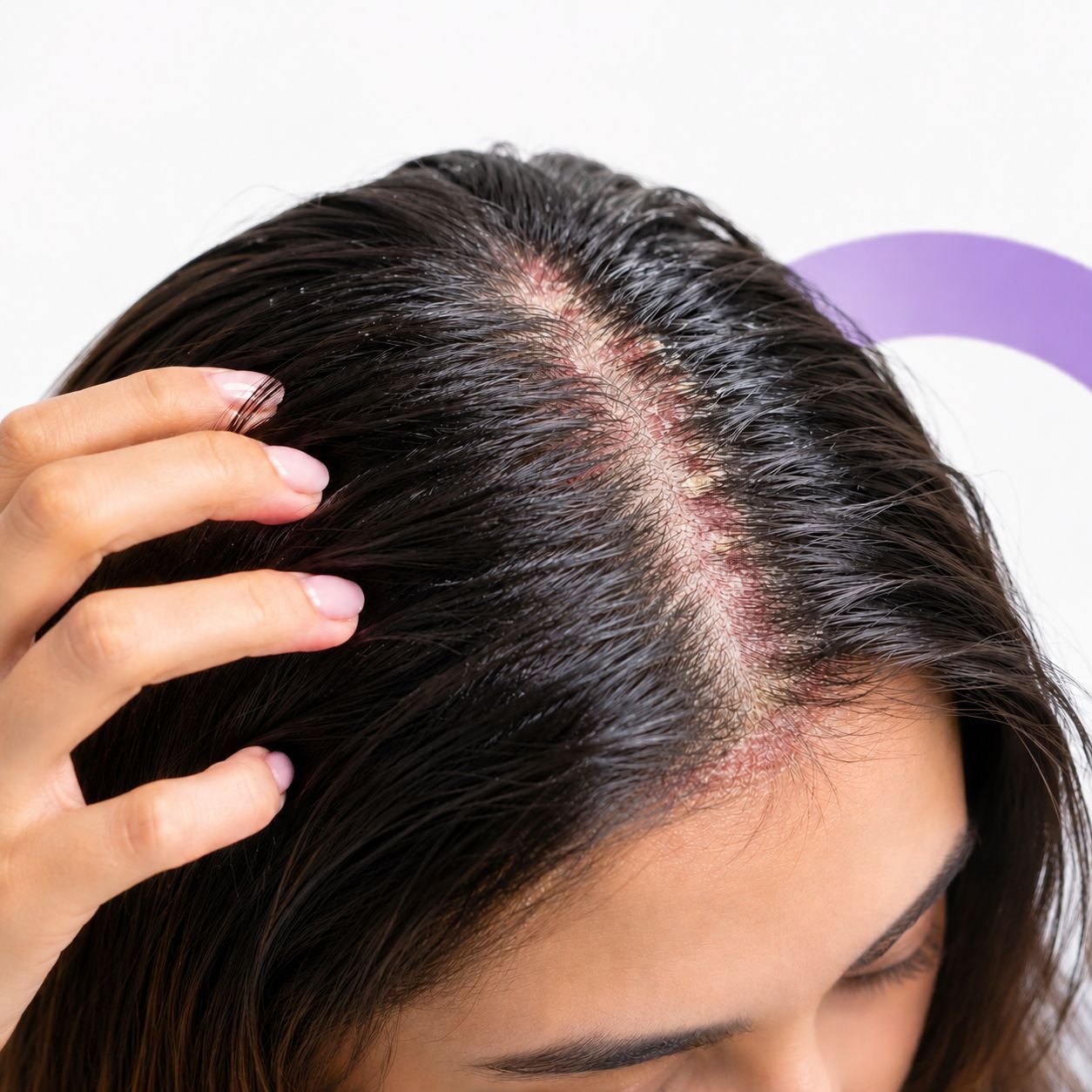
Sensitive Scalp
Some scalps react quickly to shampoos, hair colour, treatments, or environmental changes. This sensitivity can cause itching and flakes.
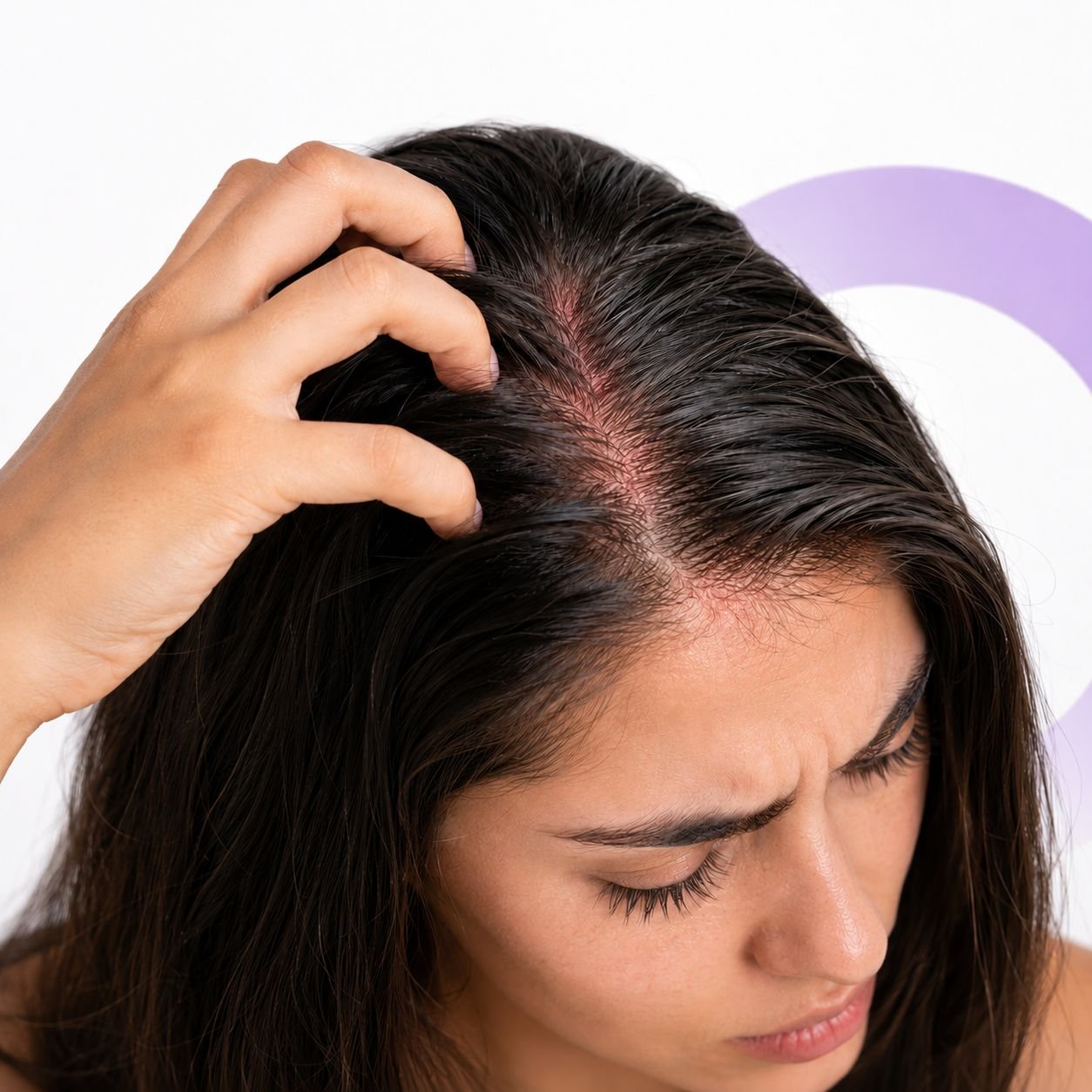
Seborrheic Dermatitis
This is a chronic inflammatory scalp condition that can cause oily flakes, redness, irritation, and recurring dandruff.
Our Treatment Approach for Dandruff
Hairdoc follows a diagnosis-based treatment plan to manage flakes, itching, irritation, oiliness, recurrence, and overall scalp health.
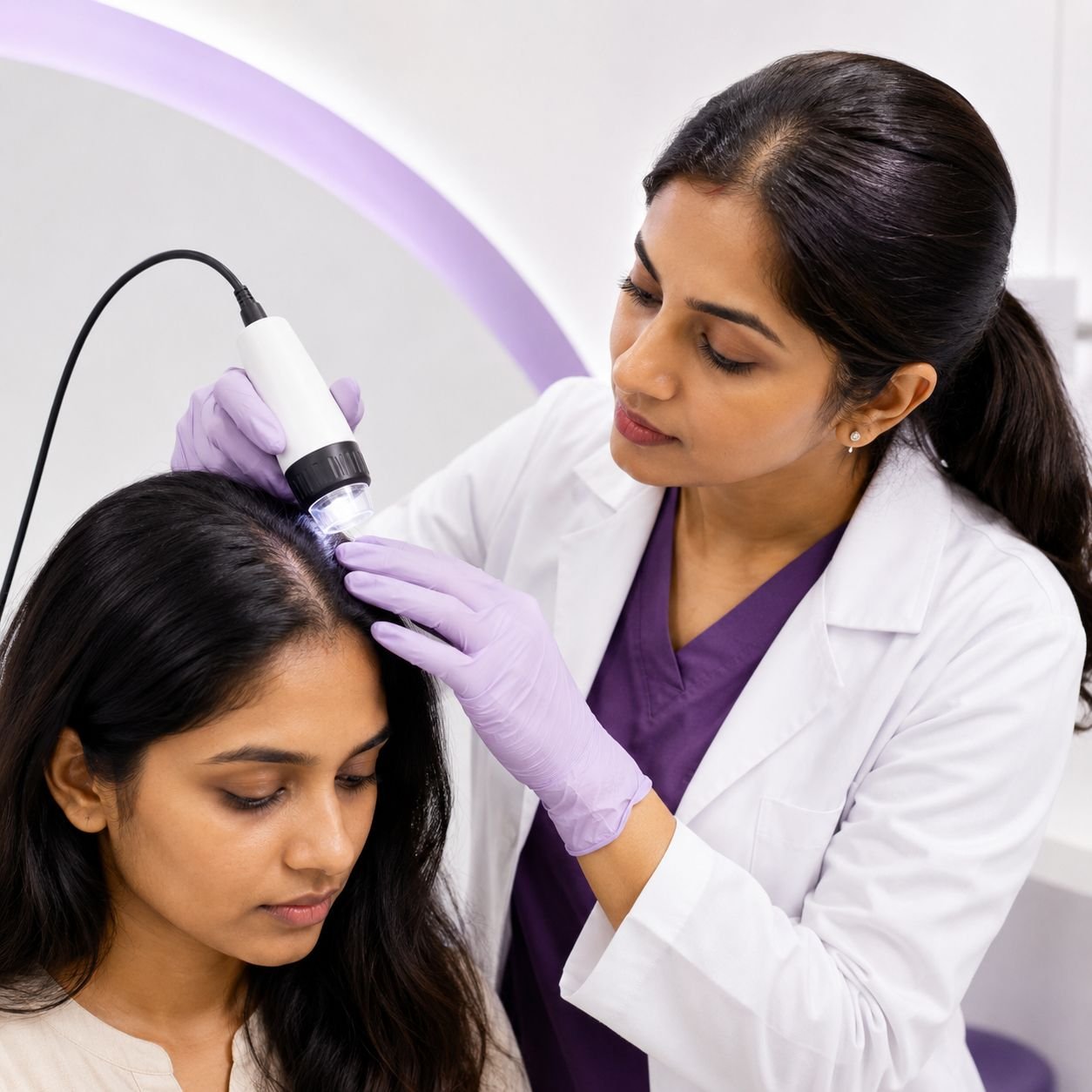
01
Scalp Assessment
We begin with a detailed examination of your scalp condition and possible underlying causes. This helps the specialist choose the right anti-dandruff treatment instead of giving the same solution to everyone.
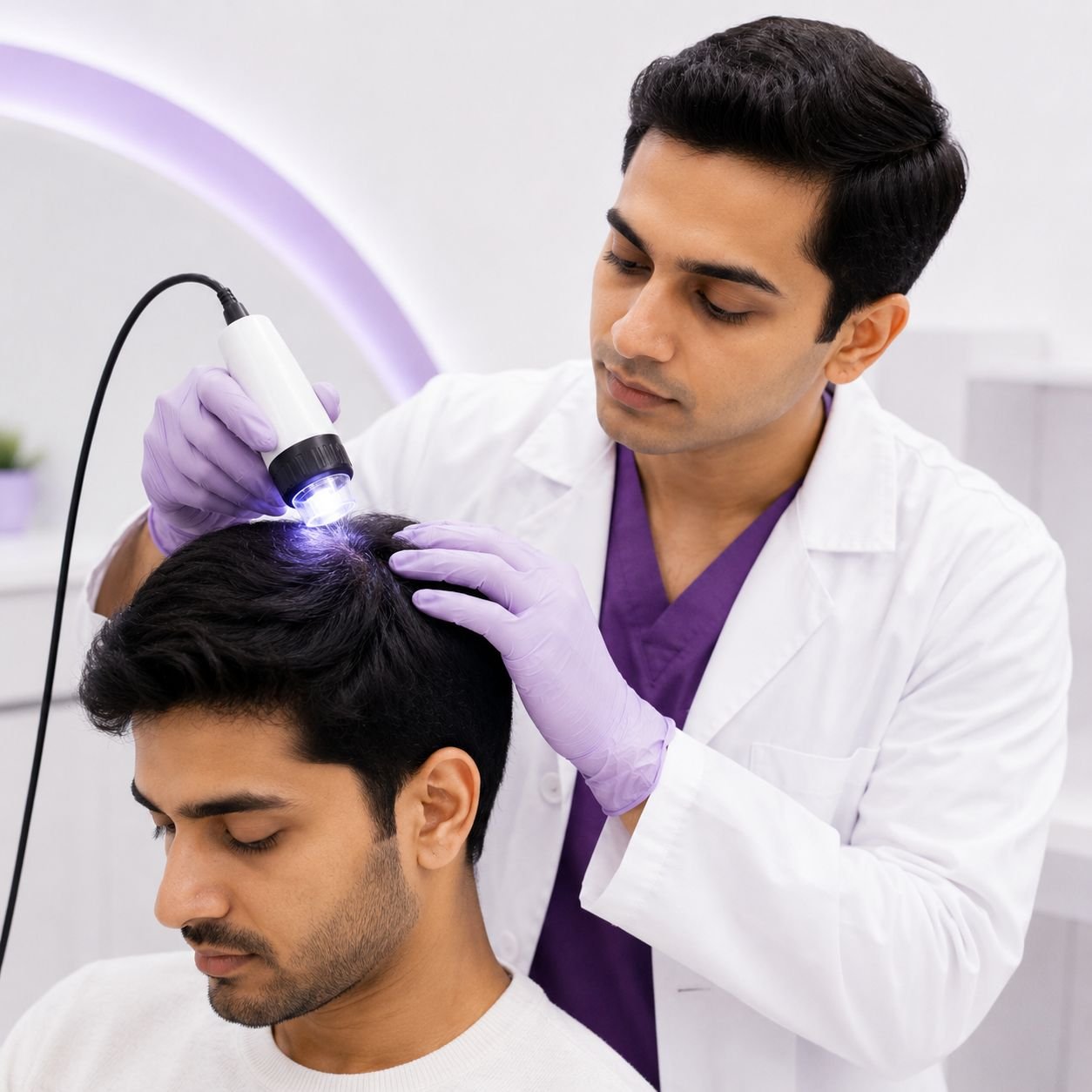
02
UV Scalp Therapy
UV Scalp Therapy helps cleanse and disinfect the affected scalp. It may support reduction of microbial and fungal load on the scalp, depending on the condition.
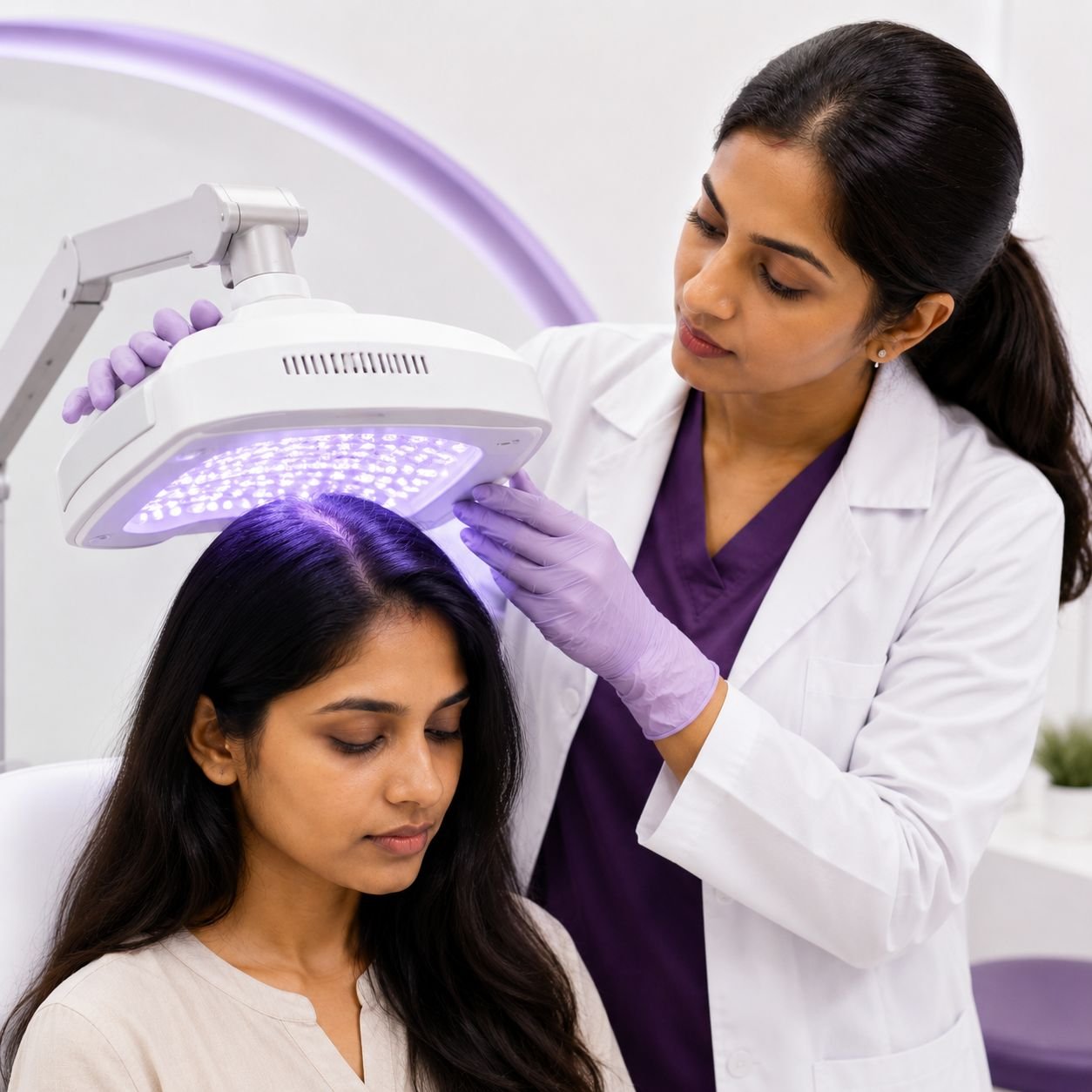
03
Photosynthesis Therapy
Photosynthesis Therapy helps nourish and stimulate weakened hair follicles. It supports a healthier scalp environment and may help improve overall hair quality.

04
Internal Medicines
Internal medicines may be advised based on the patient’s condition. These help address contributing factors from within and support scalp health and overall well-being.
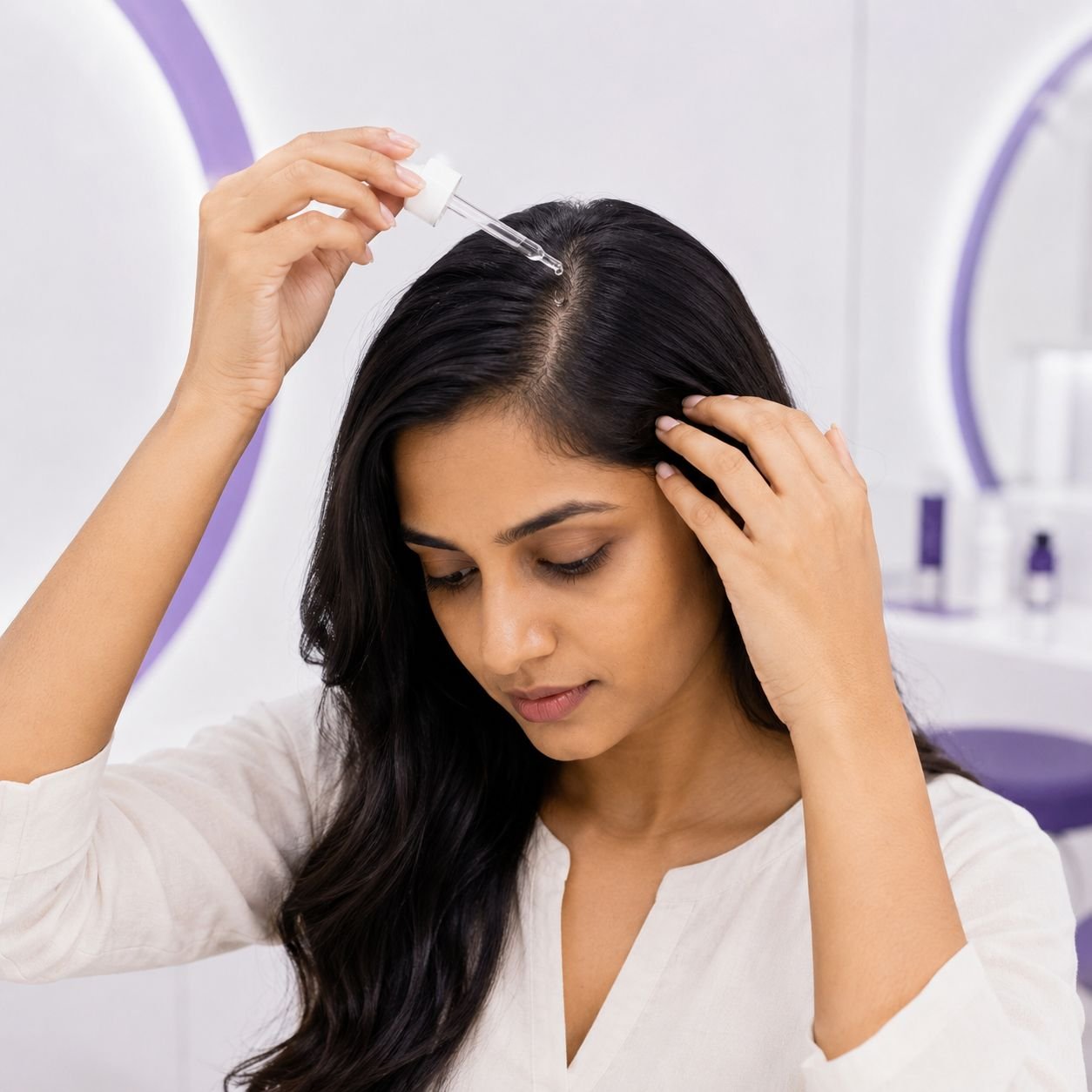
05
External Medicines
Specialized lotions and scalp applications may be recommended to help reduce itching, flaking, irritation, and scalp discomfort.

06
Immunity Support
Many scalp conditions tend to recur. That is why Hairdoc also focuses on improving the body’s natural resistance and supporting better scalp health from within.
07
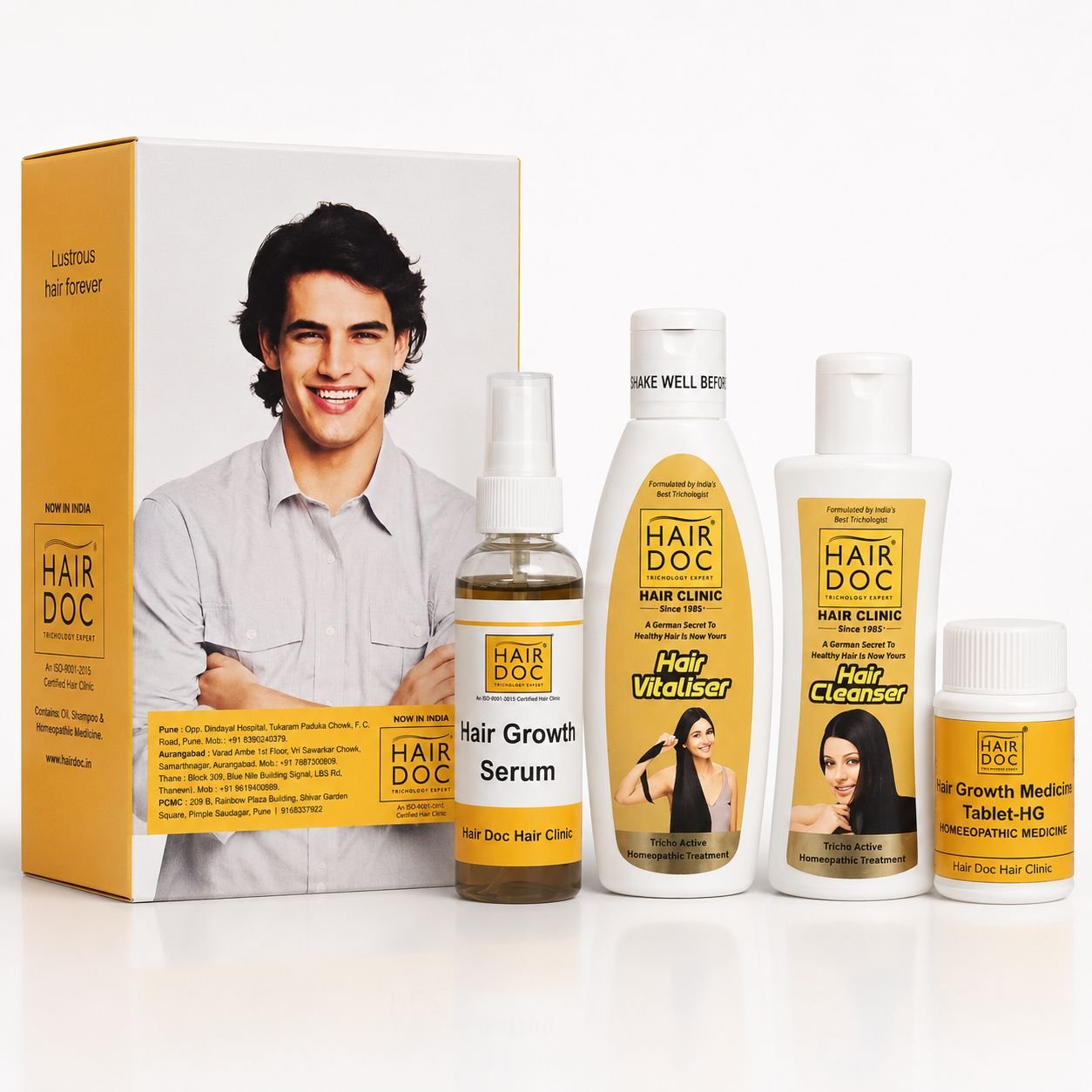
Medicated Dandruff Control Shampoo
A medicated dandruff control shampoo may help reduce flakes, itching, oiliness, and scalp irritation when used as advised by the specialist.
08
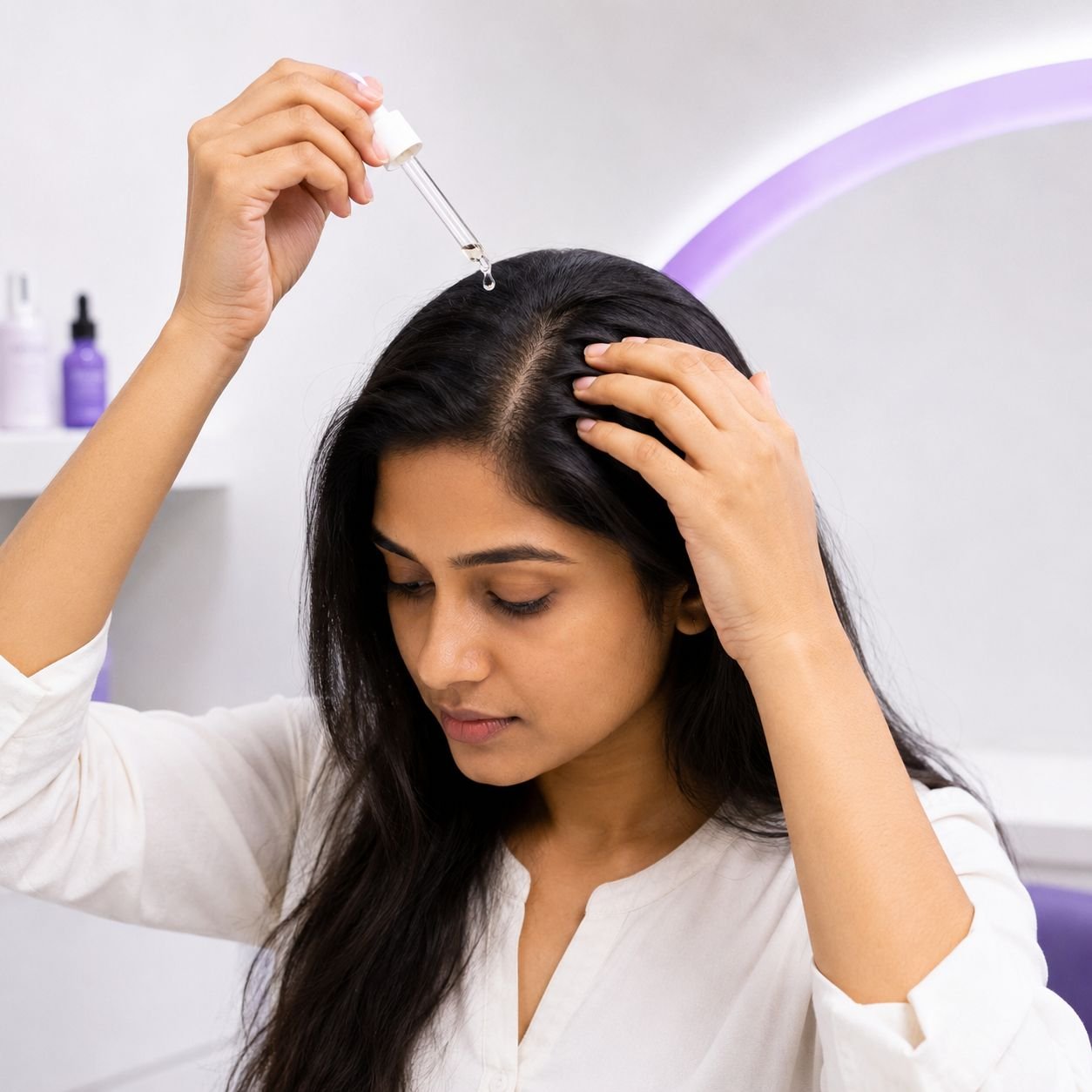
Therapeutic Hair Oil
Therapeutic hair oil may be suggested to support scalp nourishment and maintenance, depending on whether your scalp is dry, oily, sensitive, or irritated.
Treatment depends on scalp diagnosis, and results may vary from person to person.
Why Choose HairDoc for Dandruff Treatment?
Experienced Hair Specialists
Our experienced hair specialists accurately diagnose the root cause of hair loss and recommend evidence-based treatments for the best possible results.
Personalized Scalp Evaluations
Every patient receives a comprehensive scalp evaluation to identify unique hair concerns and create a personalized treatment approach.
Advanced Diagnostic Tools
We use advanced diagnostic technologies, including trichoscopy and scalp analysis, to ensure precise hair loss diagnosis and treatment planning.
Customized Treatment Plans
Our customized hair treatment plans are tailored to your hair condition, scalp health, lifestyle, and long-term hair restoration goals.
How to Prevent Dandruff
Dandruff prevention depends on regular scalp care, the right products, and avoiding habits that irritate the scalp.
Wash Hair Regularly
Clean your scalp regularly to reduce oil, sweat, and dead skin buildup.
Choose Suitable Shampoo
Use a shampoo that suits your scalp type. If you have recurring dandruff, use medicated shampoo only as advised by a specialist.
Avoid Harsh Chemicals
Avoid strong hair products, frequent colouring, or harsh treatments if your scalp is sensitive.
Keep Scalp Clean
Do not allow sweat, oil, or product buildup to stay on the scalp for too long.
Avoid Excessive Oil Buildup
Heavy oiling may worsen dandruff in some people, especially if the scalp is already oily.
Rinse Thoroughly
Shampoo, conditioner, or hair mask residue can irritate the scalp. Always rinse properly.
Frequently Asked Questions
01 Is dandruff permanent?
Dandruff is usually manageable with the right scalp care and treatment. However, in some people it can return, especially if the underlying cause is not treated properly.
02 Can dandruff lead to hair fall?
Dandruff itself may not always cause hair fall, but constant itching, scratching, scalp inflammation, and poor scalp health can contribute to hair fall in some people.
03 How often should I wash my hair if I have dandruff?
It depends on your scalp type. Oily scalp may need more frequent washing, while dry scalp needs a gentler routine. A specialist can guide you after scalp assessment.
04 Can dandruff return after treatment?
Yes, dandruff can return if the scalp remains oily, irritated, sensitive, or if the underlying condition continues. Maintenance care is important.
05 Can stress cause dandruff?
Stress may not directly cause dandruff in every case, but it can worsen scalp imbalance and trigger flare-ups in some people.
06 What is the difference between dry scalp and dandruff?
Dry scalp usually causes small dry flakes and tightness. Dandruff may involve larger flakes, itching, oiliness, redness, or recurring irritation.
07 When should I see a doctor for dandruff?
You should see a doctor if dandruff keeps returning, itching is severe, the scalp is red or inflamed, flakes are heavy, or regular shampoos are not helping.
08 Can home remedies cure dandruff?
Home remedies may give temporary relief in mild cases, but they may not treat the actual cause. Some remedies can also irritate sensitive scalps. Consultation is safer for recurring dandruff.
09 Does hair oil help with dandruff?
Hair oil may help some dry scalps, but it can worsen oily or fungal-related dandruff in some people. Use oil only if it suits your scalp or is advised by a specialist.
10 How long does dandruff treatment take?
The treatment duration depends on the severity and cause. Mild dandruff may improve faster, while recurring dandruff may need longer care and follow-up.